

In December of 2024, I was in a classroom in Oaxaca de Juarez with eight other immigration advocates from the United States. This was my third visit to Oaxaca, but unlike the prior two. I came as a student of MANOS: Migrantes Apoyados, No Olvidados (Migrants Supported, Not Forgotten), a Oaxacan nonprofit that supports migrants as they move across Mexico. This was not a training on the legal technicalities of immigration practice, but a program to deepen our understanding of the cultures from which many migrants come, to critique the political and social conditions that have made migration inevitable, and to deepen our awareness of communication across cultures—to see the world through another’s eyes.

Beatríz, a professor in Oaxaca, began by handing out markers and pieces of paper. Draw a map of where you live, she asked us, and then draw a diagram of your community. After the usual protestations about not being artists, we began to draw. And that’s when it got hard. What do I call home? The tiny Adirondack mountain hamlet where I’ve lived since 2019? What about Philadelphia, where I lived for 40 years? The State of New York? The United States? And “community “is even more malleable—we all have communities of neighbors and of friends, of family and of co-workers. I have communities I can touch and communities I encounter only through Zoom screens.
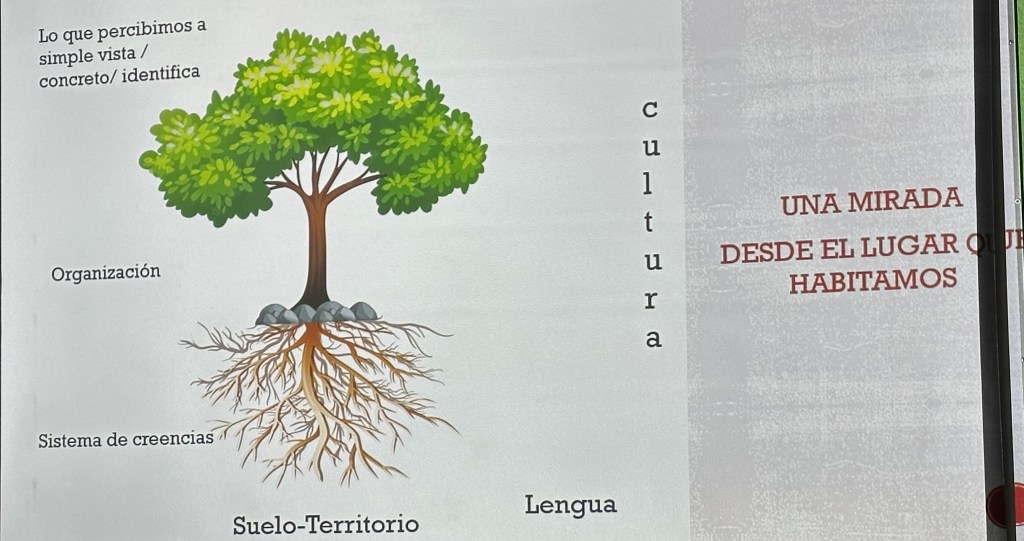
Beatríz led us back to the pictures an indigenous person of Oaxaca might draw. She described communities in which people are connected to each other through the earth, through millennia of traditions, of harvesting plants and learning their secrets. These people share a cosmovision in which spirit and land and food and interpersonal relations and governance are woven together in a kind of invisible yet tensile communal tapestry. In these villages, land is owned communally and,with the embrace of a close-knit community, comes reciprocal obligation: work, service, commitment to the whole.

Understand that the people we seek to help, Beatríz said, may come from a place in which this interconnectedness is a fact of life. And then, when external factors make migration a difficult but necessary choice, they are literally uprooted, like a tree in a storm. Once they have lost this anchor of their identity, forced north by poverty or violence or instability, how will they flourish as human beings?

A few days later we rose early to head out to an indigenous Zapotec community in the Sierra Norte, Cuajimoloyas. Only about 40 miles from the city of Oaxaca, but a two hour drive, as the road from the highway become winding and rutted as it climbs into the mountains. Cuajimoloyas is one of a network of indigenous Oaxacan villages that have preserved traditional governance and are now using ecotourism to help sustain their way of life. Cuajimoloyas offerings for visitors include hiking, traditional medicine and Oaxacan cuisine. The village itself is tranquil, houses set against the sloping mountainside, with tiny shops and restaurants along the road in.
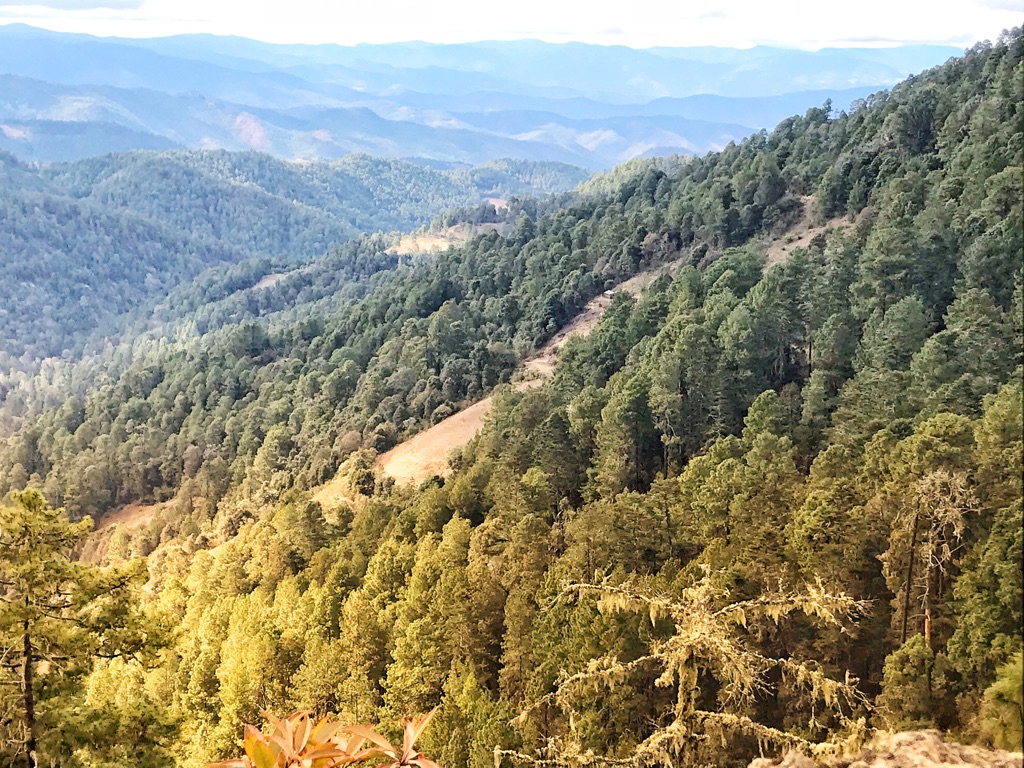

After a breakfast of fresh corn tortillas, beans and eggs, we hiked into the surrounding forest with our guide, Ester. Like so many Oaxacan women, Ester is compact and small, with jet-black hair, soft-spoken and welcoming. We walked slowly through the lush and tall trees, as Ester pointed out plant after plant, identifying each one for its medicinal properties.

As she handed us leaves pressed between her fingers, we could smell the slight mintiness of paleo or the bracing scent of blue sage (salvia azurea), brilliant yellow buttercups and purple-pink musk thistles that look like stiff paintbrushes.


These are recipes—for unguents and tinctures and powders and infusion—that have been passed down from mother to daughter, grandmother to granddaughter. I remember my own mother taking comfrey leaves and rubbing them directly into a bruise and drinking infusions of fresh ginger. Those were not cures she had learned from her own mother, but wisdom she had sought out on her own and I was wishing she could be there with me in Cuajimoloyas.
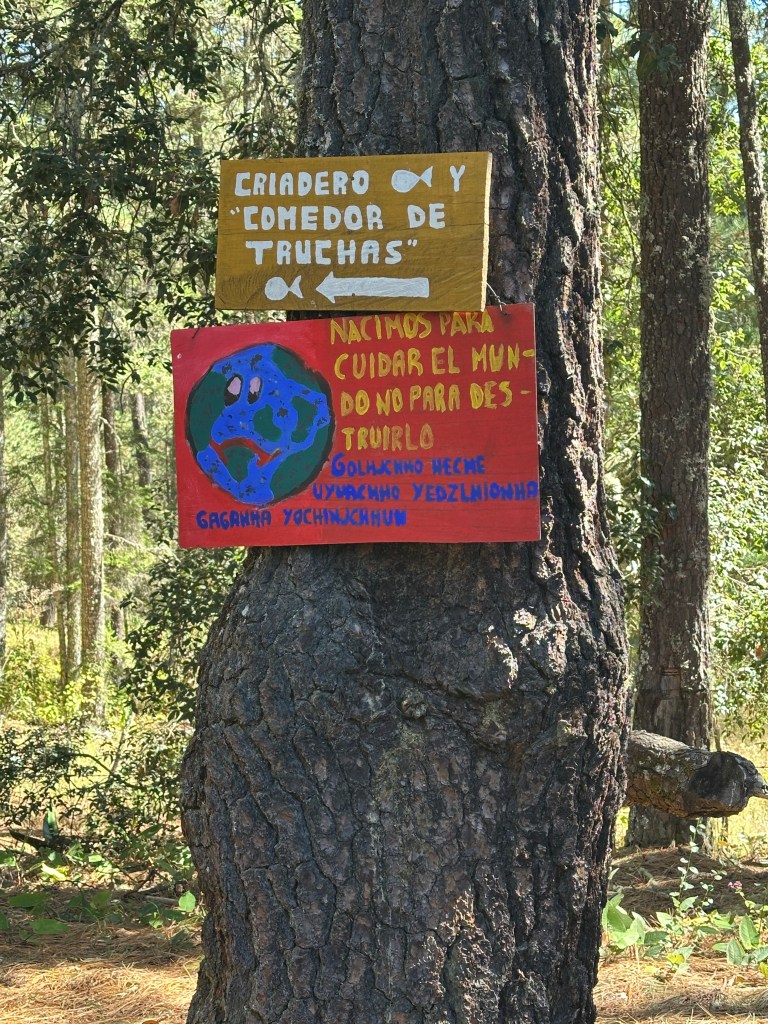
Ester led us past the trout farm which provides a steady supply of fresh fish and uphill to our van. We rumbled out of the forest and through the cobbled streets until we got to the demonstration kitchen and restaurant of Marta Contreras Luna, cocinera tradicional.
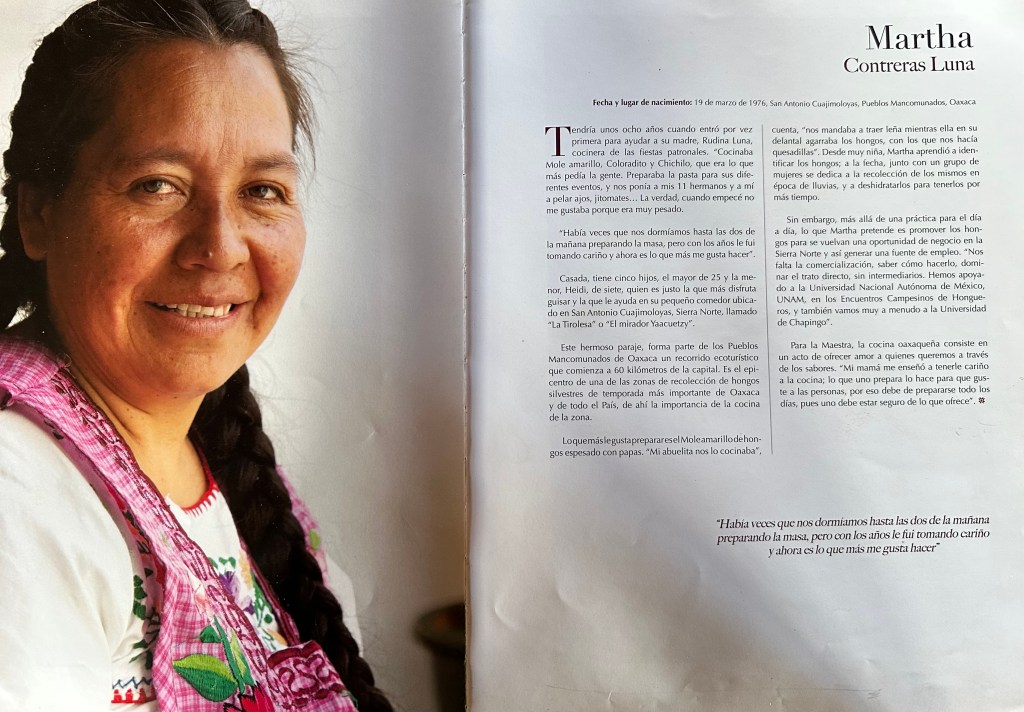
Marta is one of the cocineras featured in a grand and weighty book called “Oaxaca y sus Cocineras: Tesoro Gastronomico de México—celebrating the women of Oaxaca who carry on the ancestral traditions of roasting nuts and seeds and chiles and vegetables over a wood fired comal and grinding spices into a paste on a stone metate.
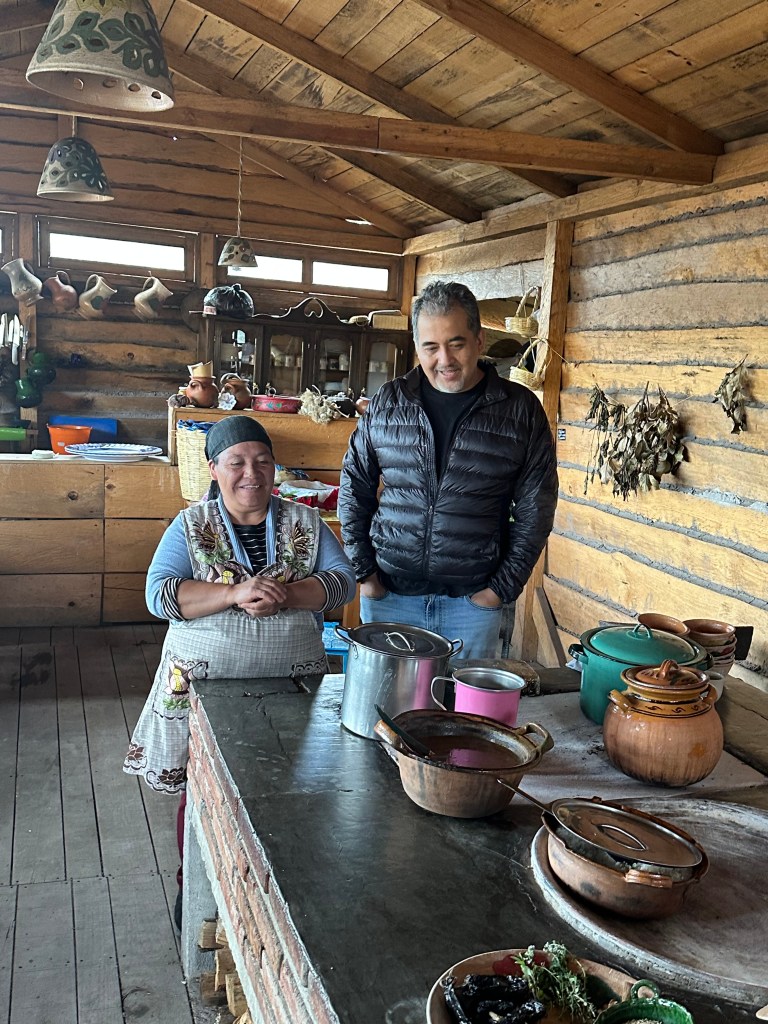
Marta described the lives of women who rose before dawn to grind masa and make tortillas. She spoke of the double edged sword of the Oaxacan tourist boom, which has spawned celebrity chefs who have amassed fame and fortune “re-interpreting” traditional cuisine without the acknowledgment of the generations of women who figured out exactly how to collect and soak the dried mushrooms, which chiles to add to a bubbly stew and when, by touch, the masa is ready to become a fresh tortilla. I have eaten in several of those Michelin-starred restaurant, and, now, after eating with Marta, I can say without reservation that it is best to go to the source here in the Sierra Norte.
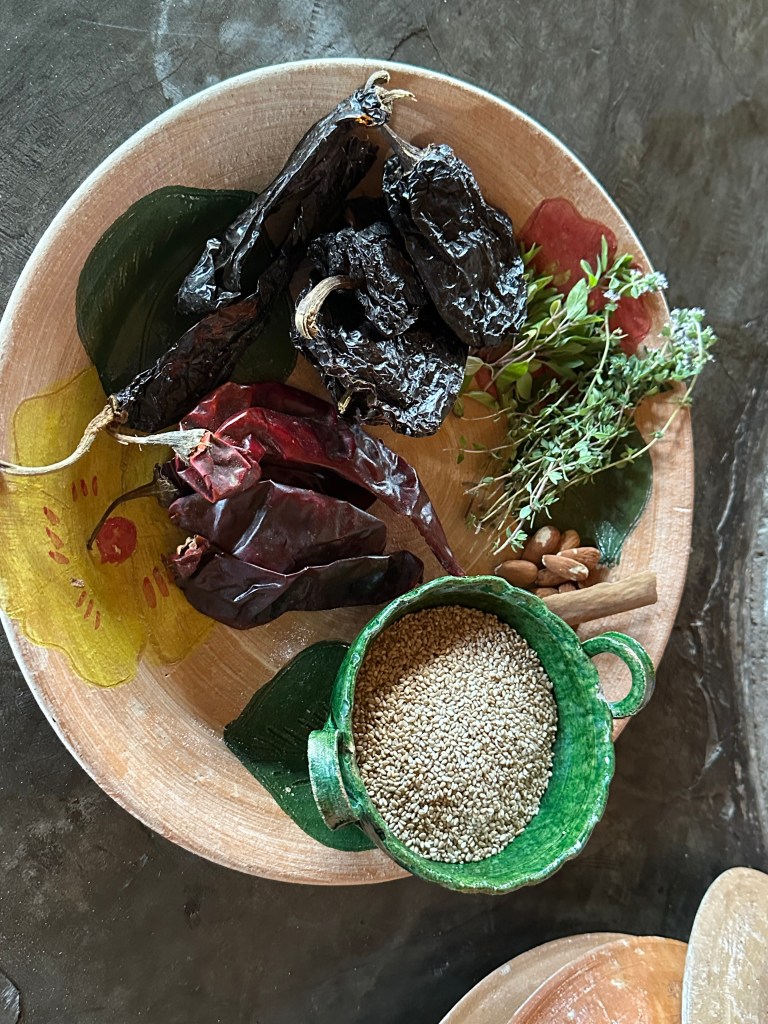
We spent the afternoon with Marta, with her colorful embroidered apron and rock-solid stature–trying our hand at the exhausting effort that is using a metate (OK, Marta admitted that she does use a blender when time is a factor).
We started with a subtlely flavored lentil soup and then moved to the complex smokiness of chichilo, a kind of mole with the flavor of charred tortillas and chiles.
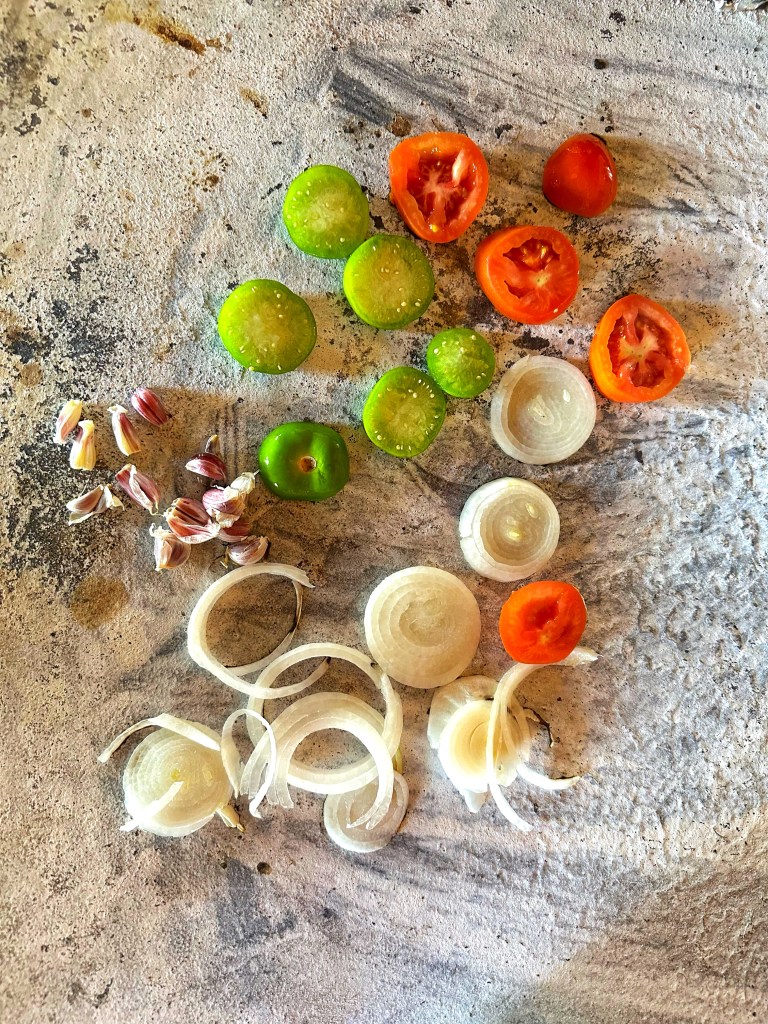
Marta told us that historically chilchilo was eaten during times of mourning, but is no longer so limited. The cooking steps in any chichilo, and indeed any mole sauce, are long, specific and require patience and time. The ingredients alone evoke the subtropical savannah of the Oaxacan landscape: guajillos chiles, miltomates, hoja santo, ancho chiles, pepita de calabaza.

We learned more about the lives of Oaxacan women on the last day of our program. Seated under a massive and seemingly timeless Montezuma cypress tree, Alicia told us stories of the women of San Tomás Jalieza, an indigenous village twenty miles south of Oaxaca City.

San Tomás women have been weaving on backstrap looms for generations. Until Oaxaca became a tourist mecca, the women wove objects for daily life—belts, bags, straps, baby swaddles. As more and more people sought out Mexican handicrafts, the women expanded their weaving repertoire into placemats and table runners and napkins and cell-phone bags and many other accoutrements of modern life. And, Alicia added with a smile, once the men realized that there was money to be made from the artesania, they started weaving too—but hidden in the corners of interior patios so as not to be seen doing women’s work. Alicia told us how this new economic activity had led to greater independence for women, respect, however grudging, from the men, and much wider participation in the governance of the town.
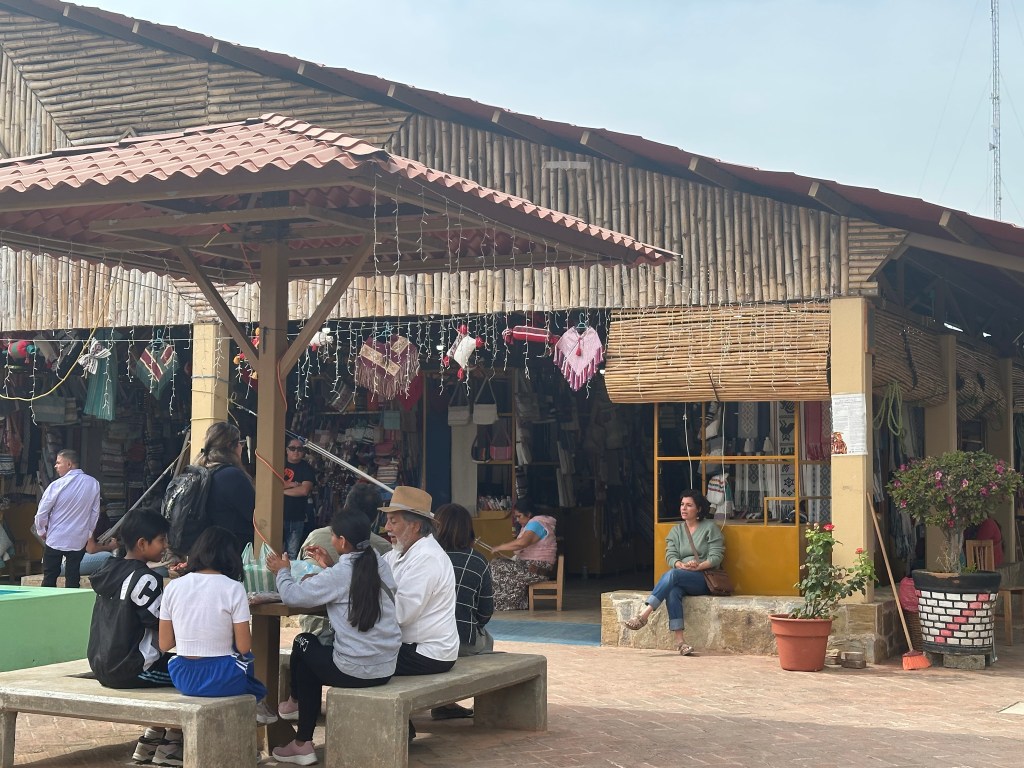
Weaving on a backstrap loom, like grinding spices on a metate, requires the whole body.
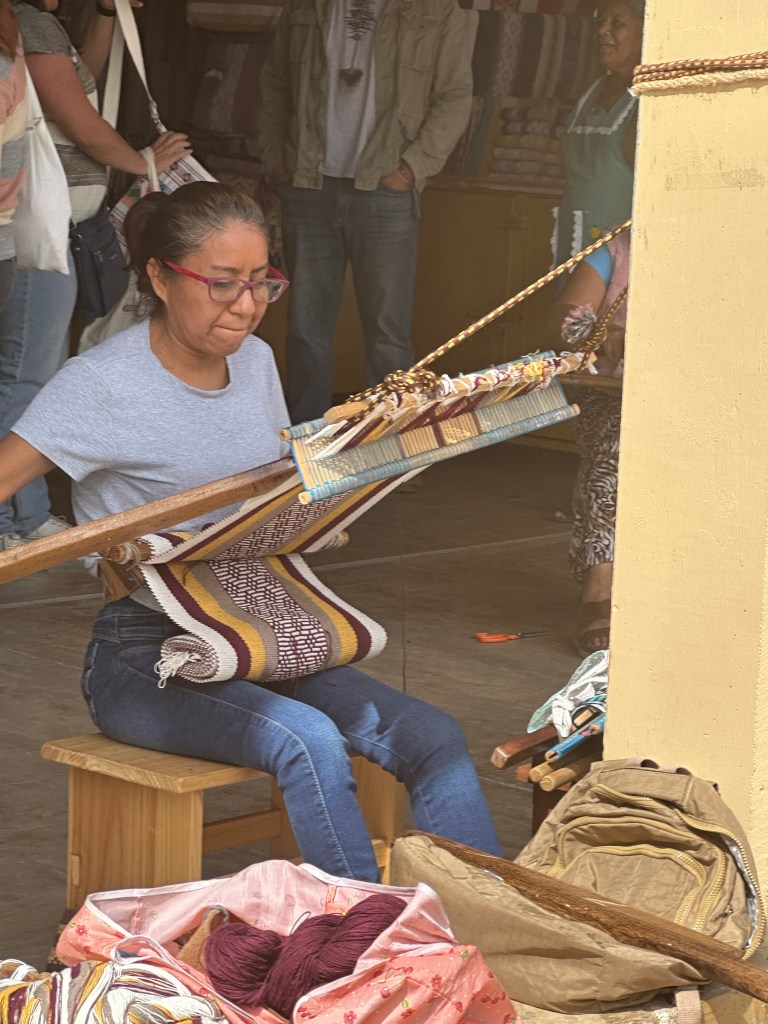
It is as if your body becomes one with the work, the energy of the art and the food passing through ones hands and back and feet and all the senses. I felt a longing for this interconnectedness, as something I was seeking and had not yet found. I can only thank the women I met in Oaxaca for opening up their world to me for a brief but profound visit. There are many more women I have met in Oaxaca, but they will be with for another day. And for me, the goals of my training with MANOS were met: I will try my best to understand that each immigrant has a story, and a culture she has left behind.
If you go to Oaxaca: You can arrange ecotourism trips to the Sierra Norte, to Cuajimoloyas and other villages that are part of the Pueblos Mancomunados through their own organization, Sierra Norte Expeditions, https://sierranorte.org.mx . If you want to reach Marta directly to eat in her demonstration kitchen, her card is below. It says that she also sells jams, dried mushrooms and fruits and artesania (handicrafts). There are many other villages besides San Tomás Jalieza within an hour and a half of Oaxaca city that specialize in handicrafts-weaving, rugs, pottery, alebrijes and more. There are tons of resources online to help you out.


What a wonderful trip, and beautifully written. It brought back all the senses of our trip to Oaxaca long ago. I’m glad you found a group which you can connect with and help – that gives it all an extra twist. I hope you’ll share any immigration work that you do as well.
LikeLiked by 1 person
Thanks Nancy-it was an incredible experience
LikeLike