
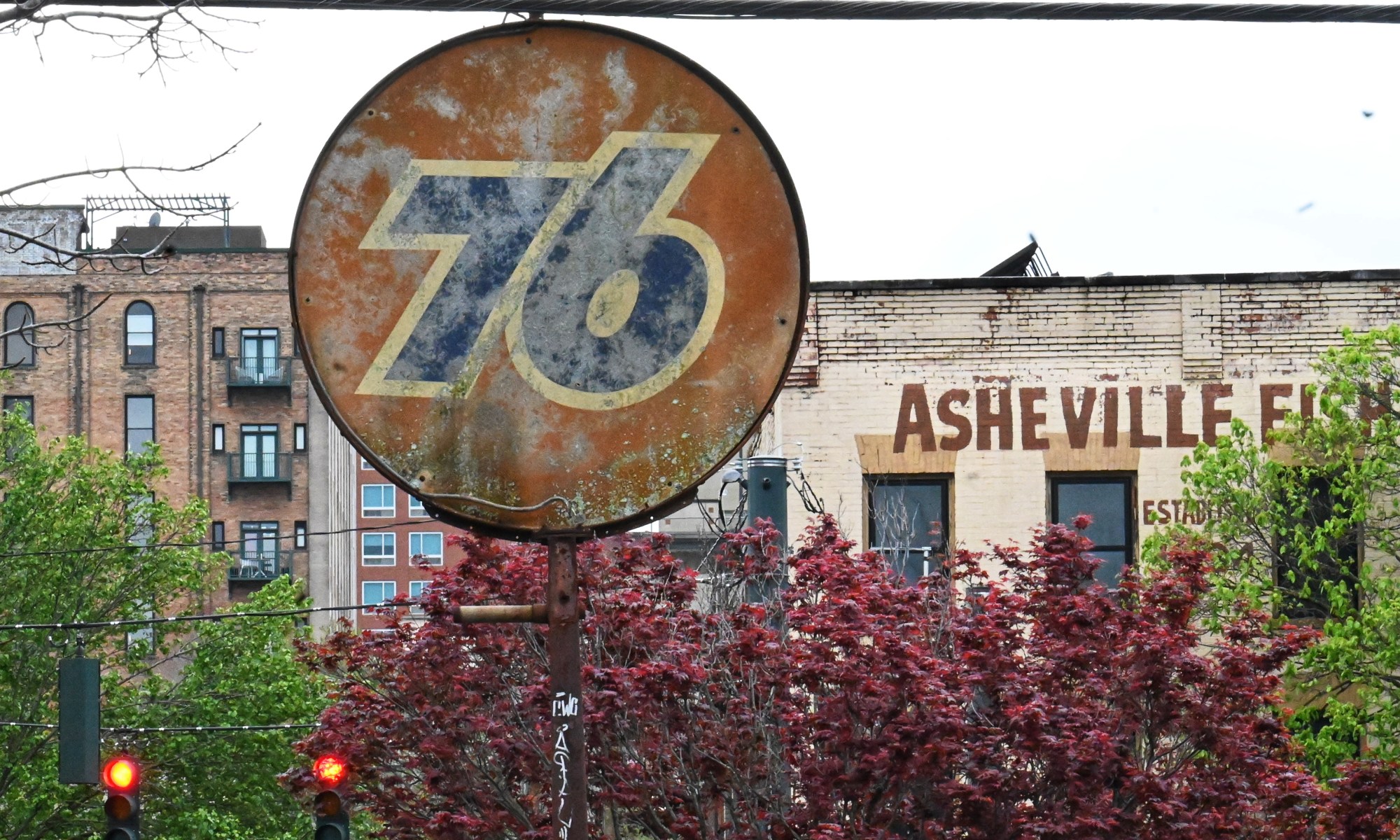
At least three of my friends started researching Blue Ridge retirement real estate after visiting Asheville North Carolina. My son had his bachelor party there. Everyone seemed to fall in love with Asheville. It was high time I figured out what the fuss was about. So, this spring, on a road trip from the Adirondacks to see that now-married son, now living in Austin Texas, Pete and I routed ourselves through Asheville.
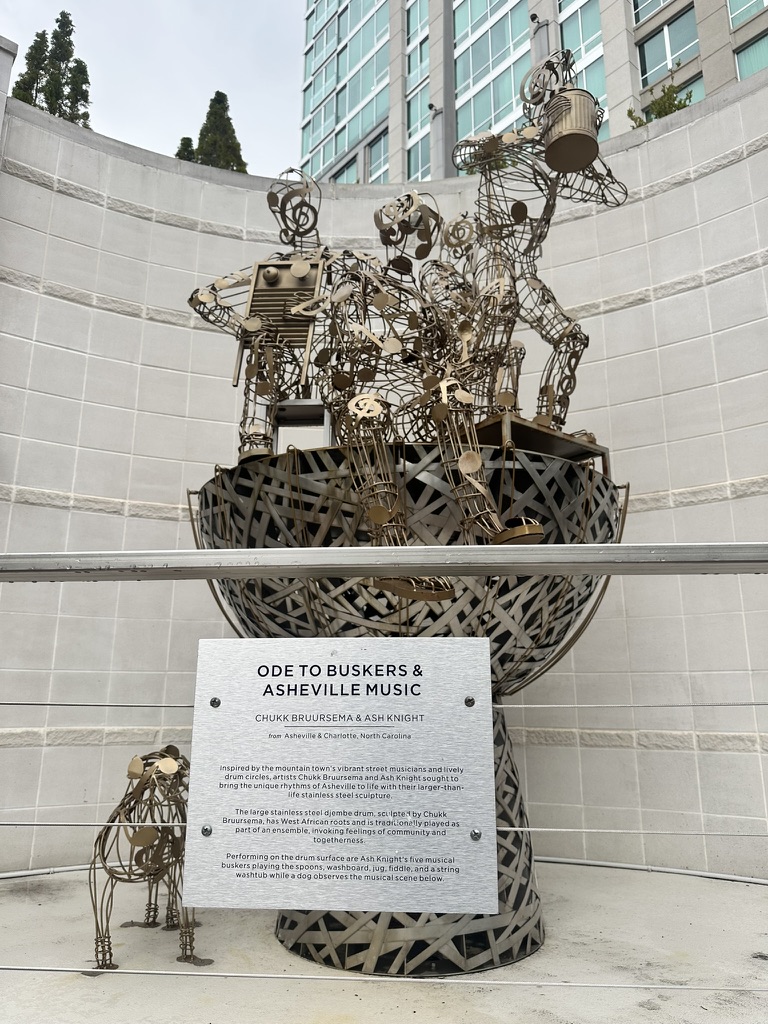
I know about the brewpubs and buskers, the street life, and the verdant setting in the mountains.
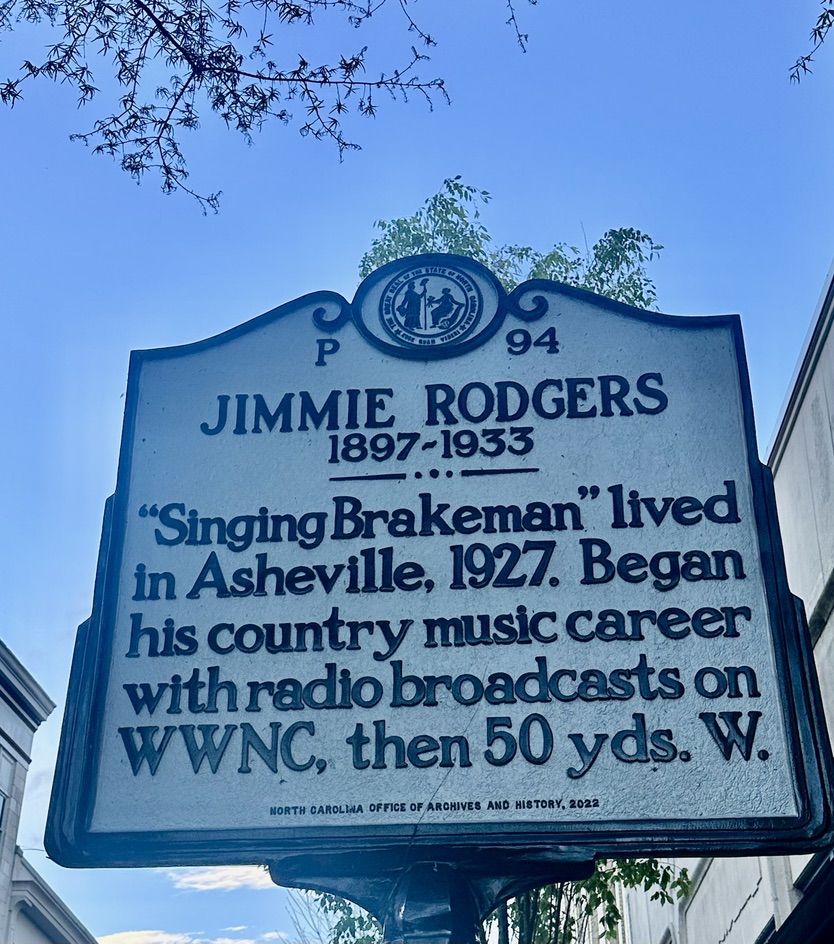
So finding a small city a vibrating with energy, musicians on every corner, fully of art galleries and cute boutiques, first rate restaurants and, yes, bachelor parties, a city that seemed to have completely recovered from the 2024 flooding—a delightful feast but not a surprise. What I hadn’t expected to sweep me off my feet was the architecture, the urban form.
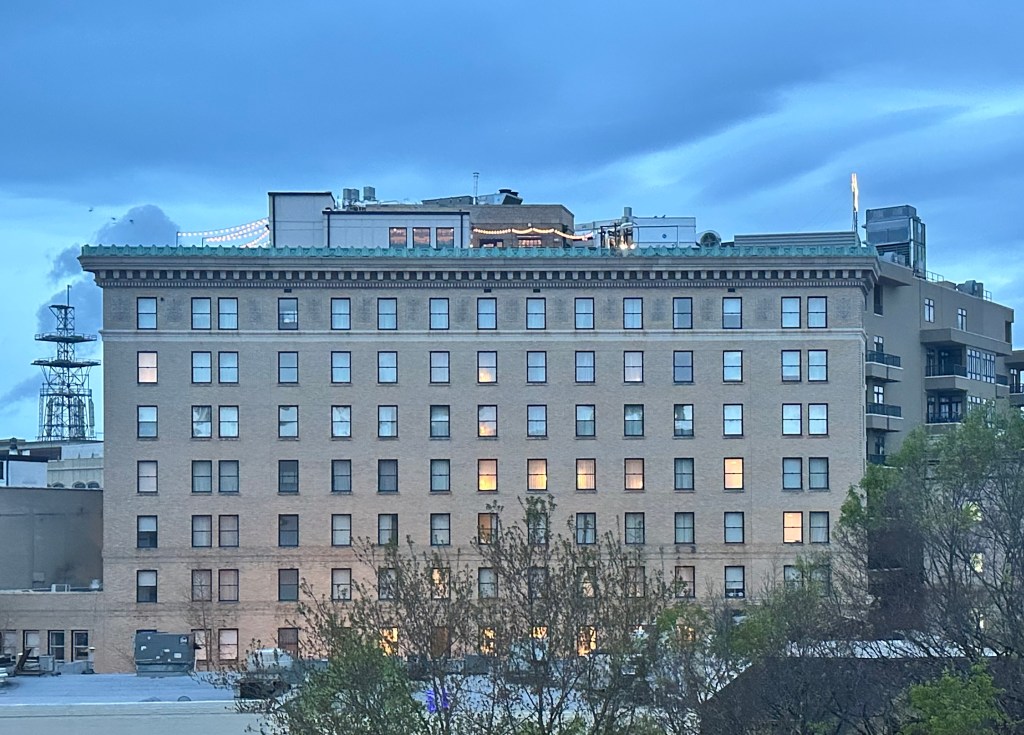
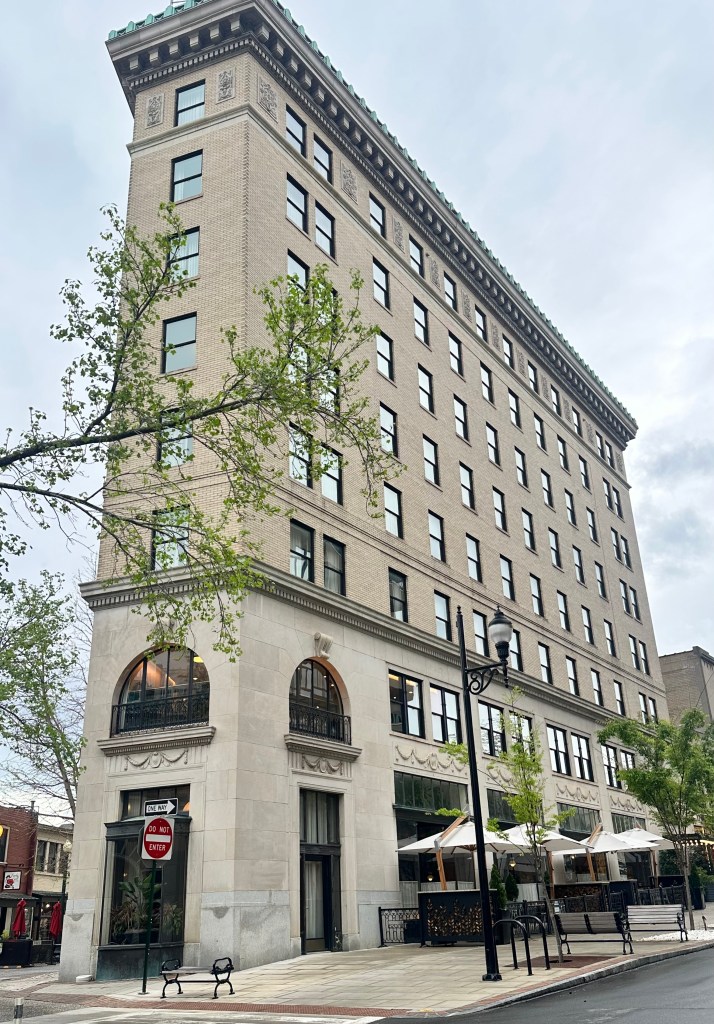
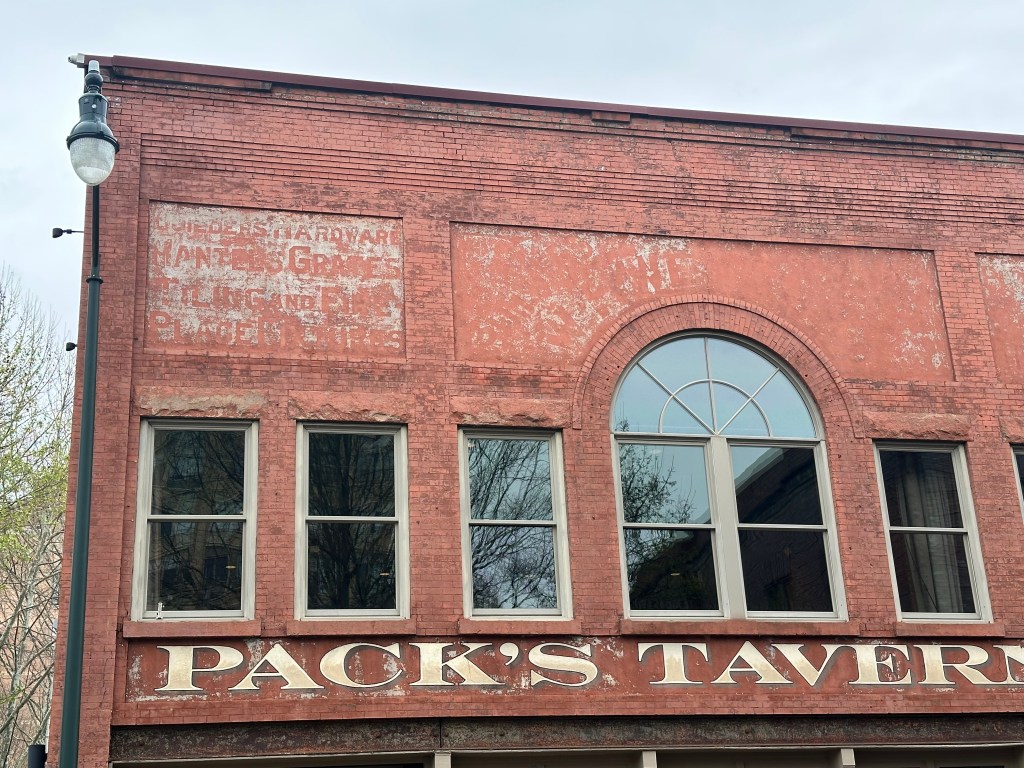
From first few minutes of wandering through downtown Asheville, I kept looking up, at what is a jewel-box of preservation – not the showy landmark-y kind of preservation, but rather a city that somehow held on to its past.
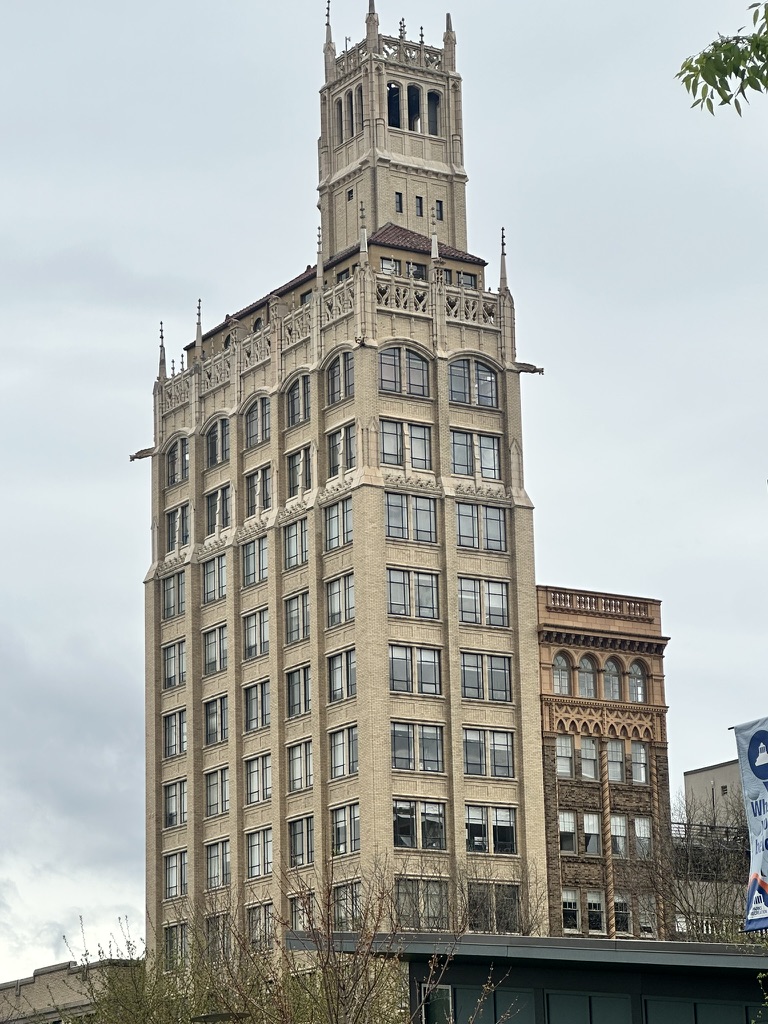
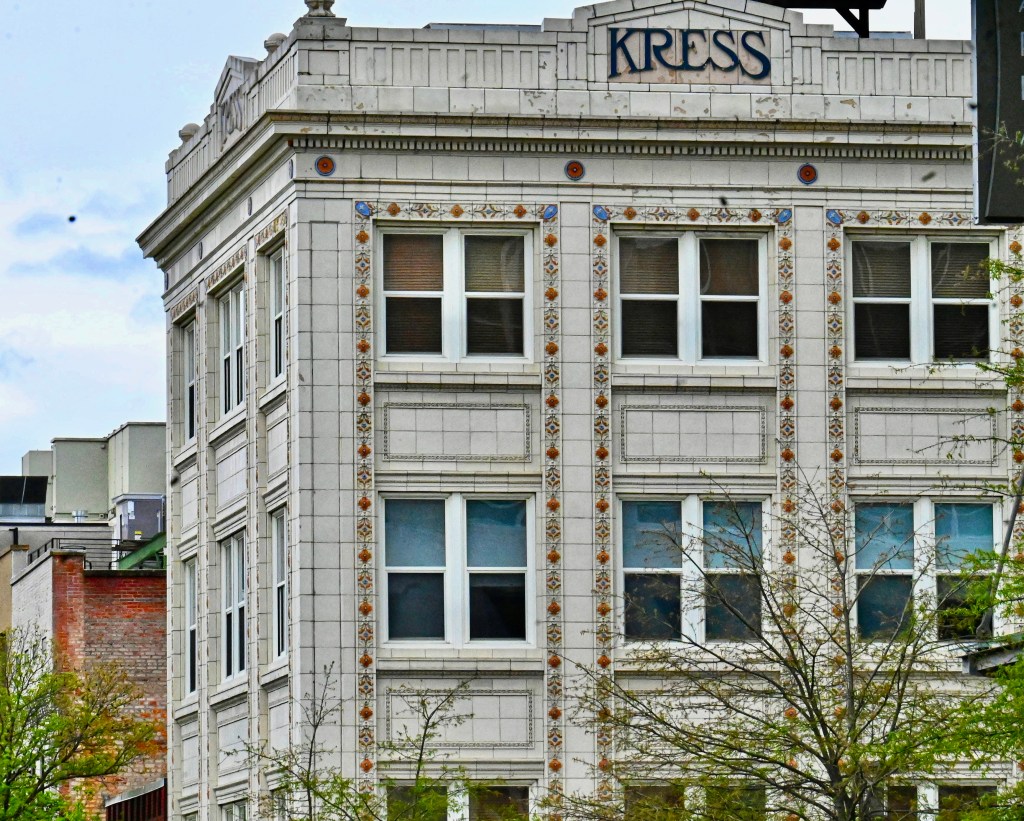
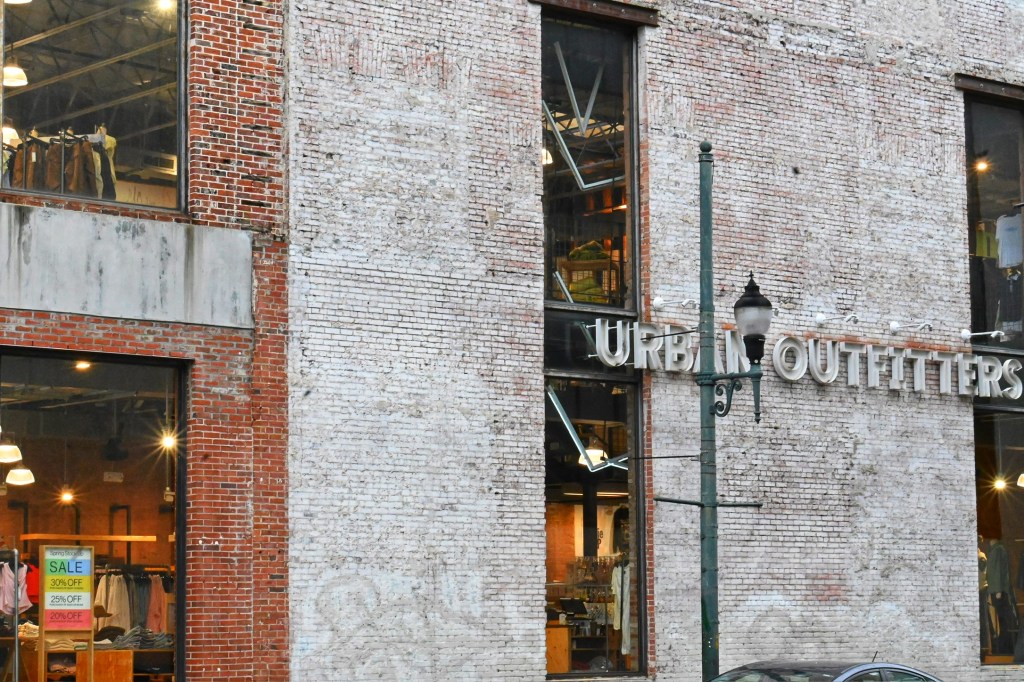
The downtown boasts block after block of gems of early 20th century commercial architecture- Art Deco, Neo-Classical. Romanesque Revival, Beaux Arts, Gothic. How is it, I wondered, that this very 21st century city has evolved within this 100+-year old form?
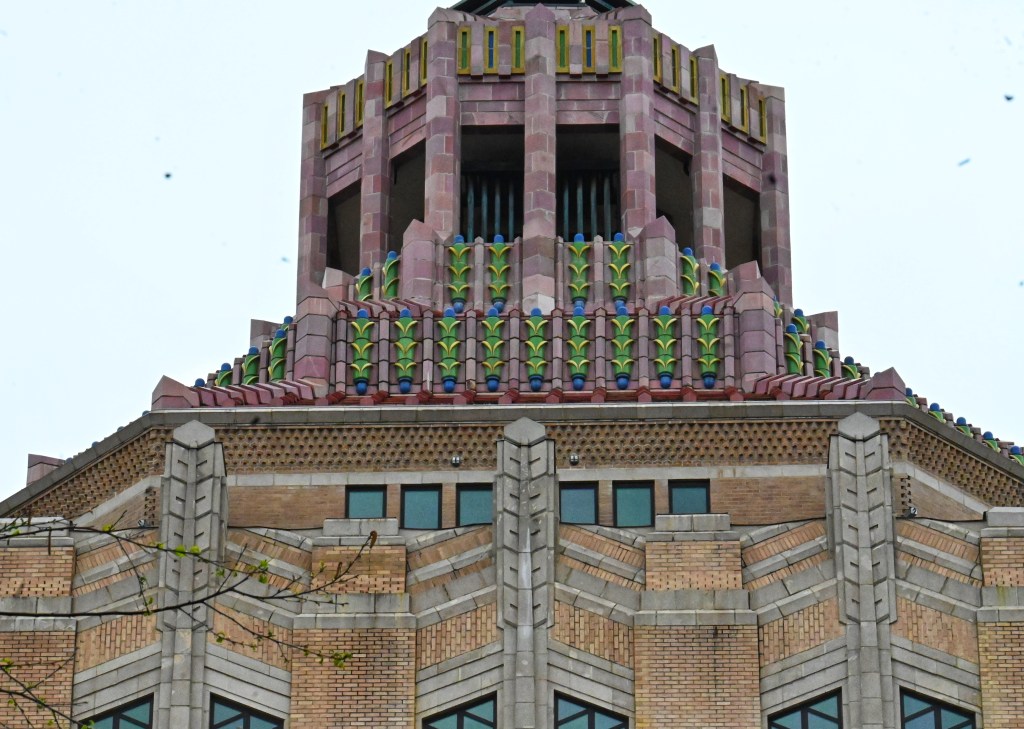
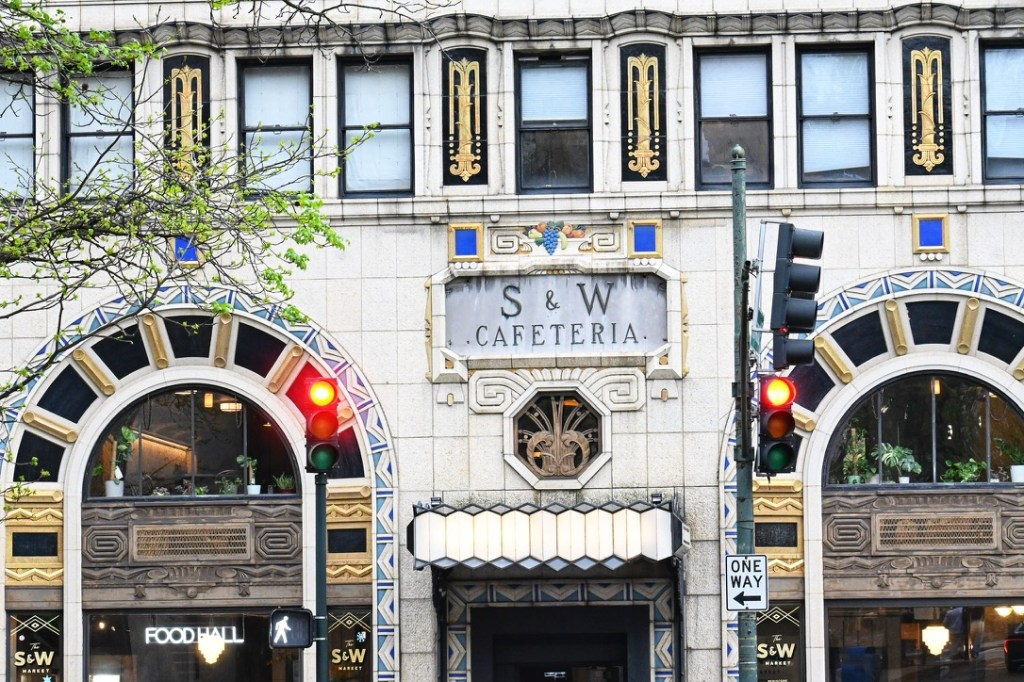
Turns out that Asheville had a building boom from the 1880s through the 1920s. The railroad, textile mills, logging, the Vanderbilt wealth, the mountain air, all made Asheville prosperous and a hotbed of investment and architectural innovation. And then in 1929, boom became bust. According to RomanticAsheville, the urban form of Asheville essentially froze from 1929 until 1976:
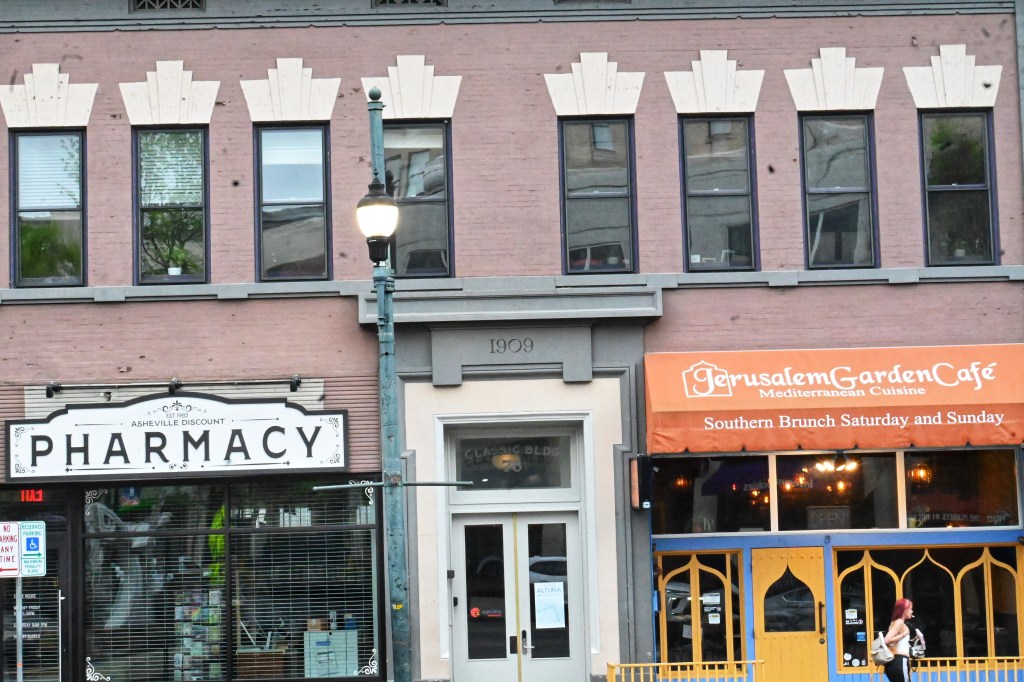
[From Romantic Asheville website:] Why are there so many architectural gems in Asheville? Asheville suffered a greater financial hardship than all others from the 1929 Crash, shouldering a per capita debt burden that was the greatest in the country. Today, the liability that city carried for almost 50 years has turned it into an American architectural treasure…. The “City That Suffered Most” was Asheville, North Carolina, a municipality that was so poor for so long that ancient buildings never faced the bulldozers of urban renewal. While many cities chose to default on their Depression-era liabilities and started over with a clean slate, Asheville city fathers chose to pay every dollar back. It was a burden several generations would carry, until 1976 when the last obligations were paid.During those years the city stayed much as it was before that black day in 1929. The tax base was small enough that growth was slow, and what tax monies were generated funded more pressing needs than the destruction of old buildings
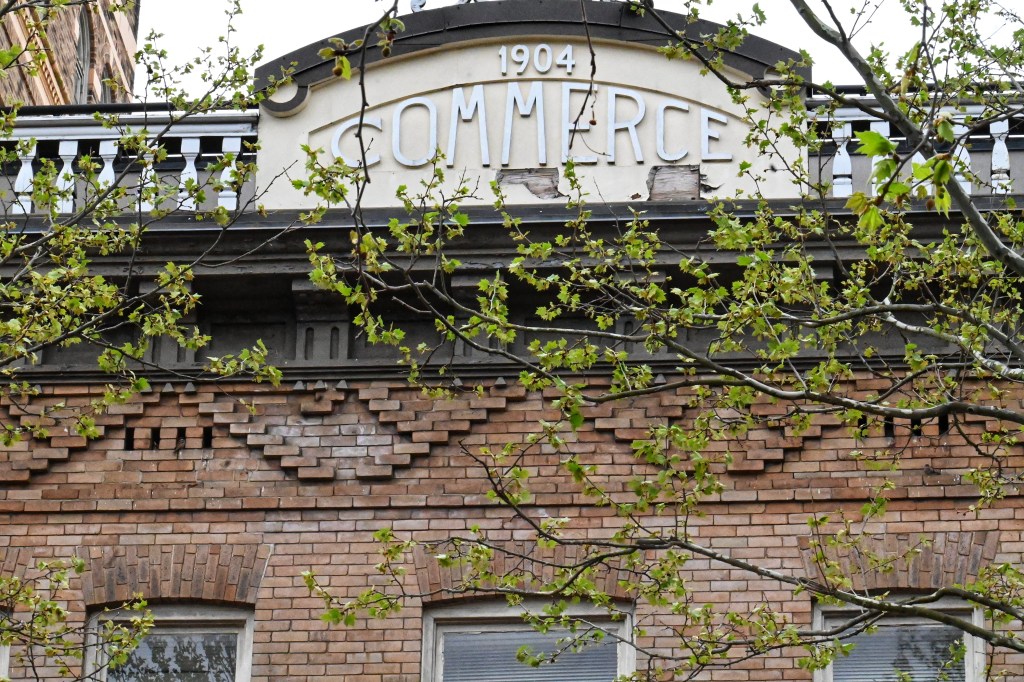
So this explained the magnificent collection of early 20th century buildings: a former boom town frozen after Great Depression, such a backwater that even the bulldozers of urban renewal didn’t see fit to tear it all down and start anew.
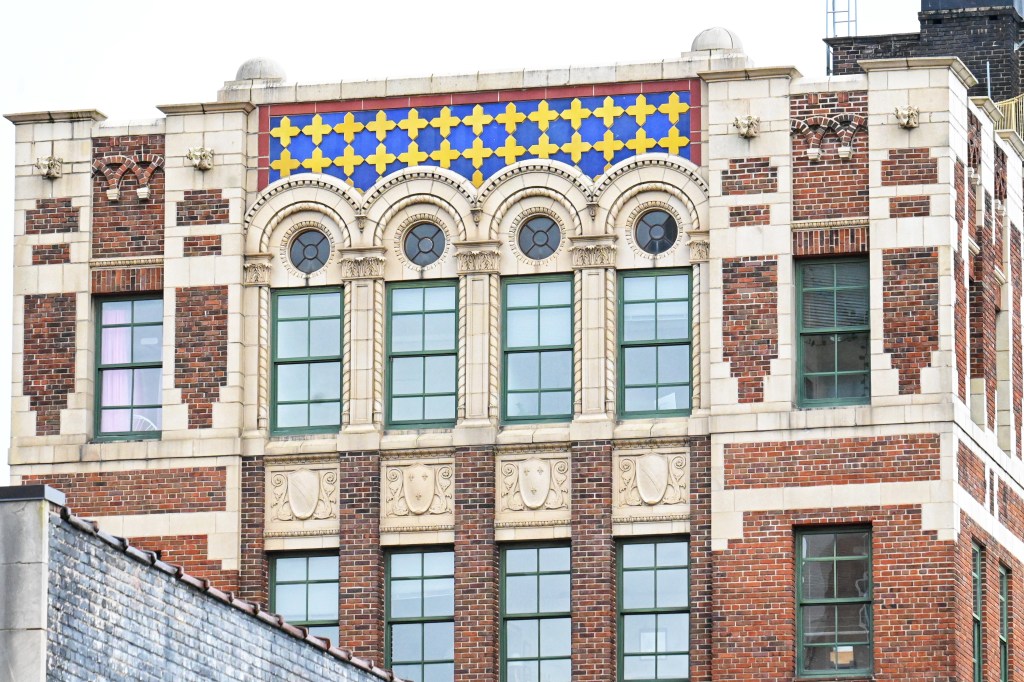
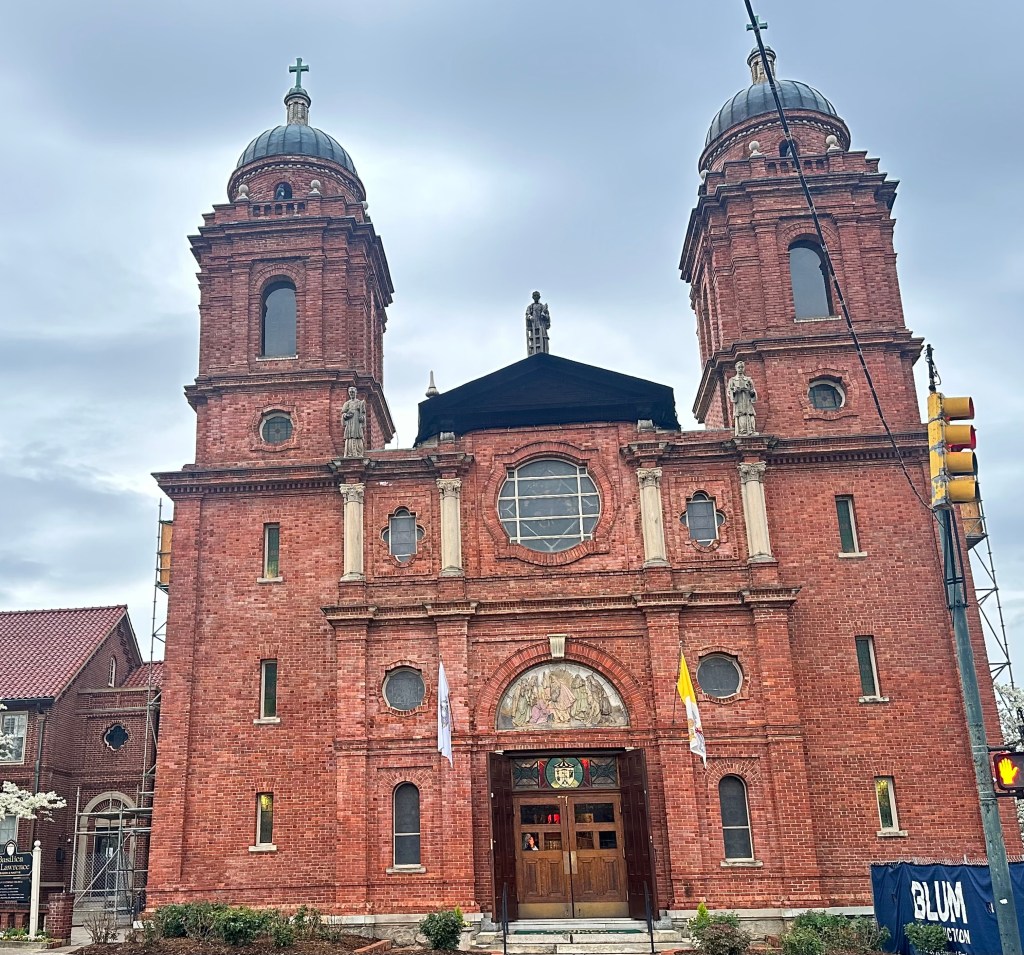
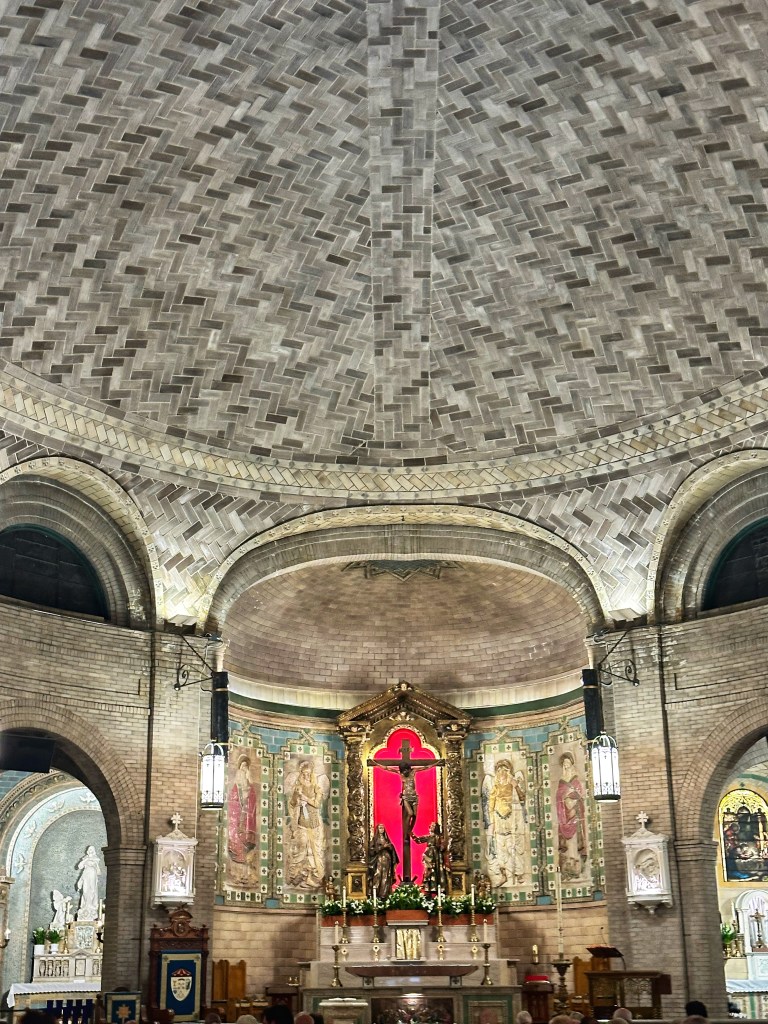
Early on Easter Sunday morning, I grabbed my camera and set out to wander. Thick clouds threatened rain and filtered the morning light with a sheer gray mist. I wandered up Haywood Street to the Basilica of St Lawrence the Deacon and Martyr. Built in 1905, it is said to have the largest free-standing elliptical dome in North America, a dome built tile by tile. Ashevillians were arriving for Easter Mass in their spring finery. A kind woman let me in to snap a photo.
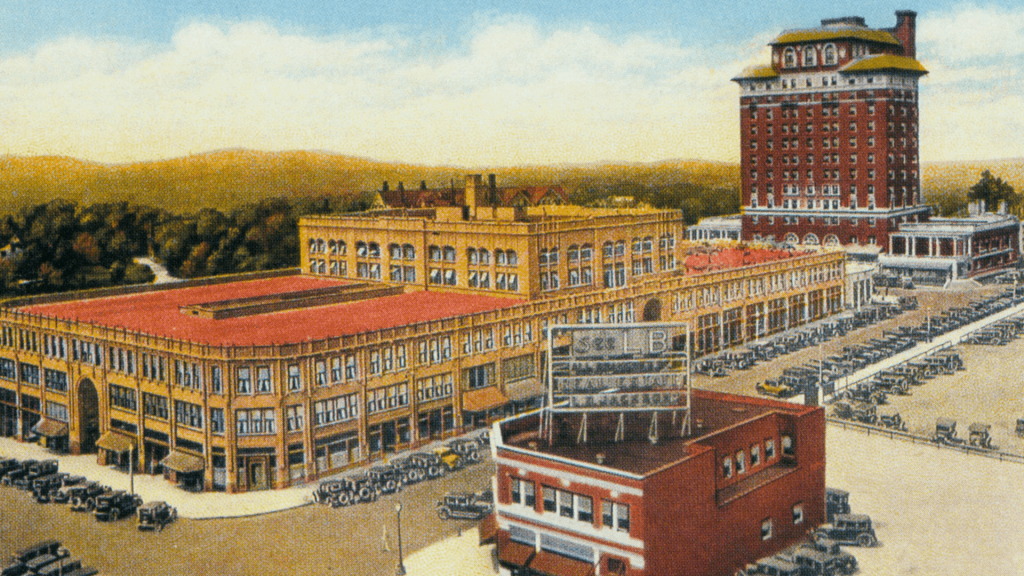
From there I strolled down Page Avenue to the ornate Venetian Gothic and Tudor Grove Arcade. Built in the 1920’s as one of the nation’s first indoor shopping centers, it was commandeered by the federal government during World War II and its windows bricked up. The resplendent structure was only restored to its former glory in the early 2000s.
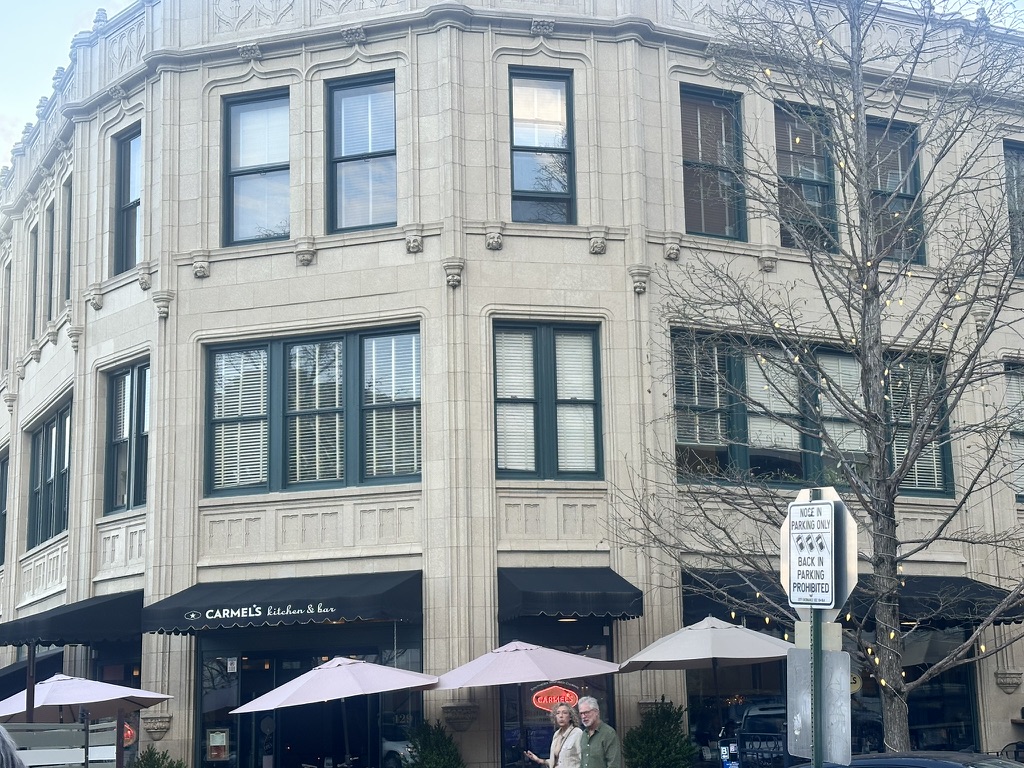
As I trained my camera on one of the gargoyle-like faces on the facades, a man came over to chat with me. He wanted to tell me about another building a few blocks away with its own array of gargoyles. “On that building,” he said, “the stone masons made the faces look like people they knew.”
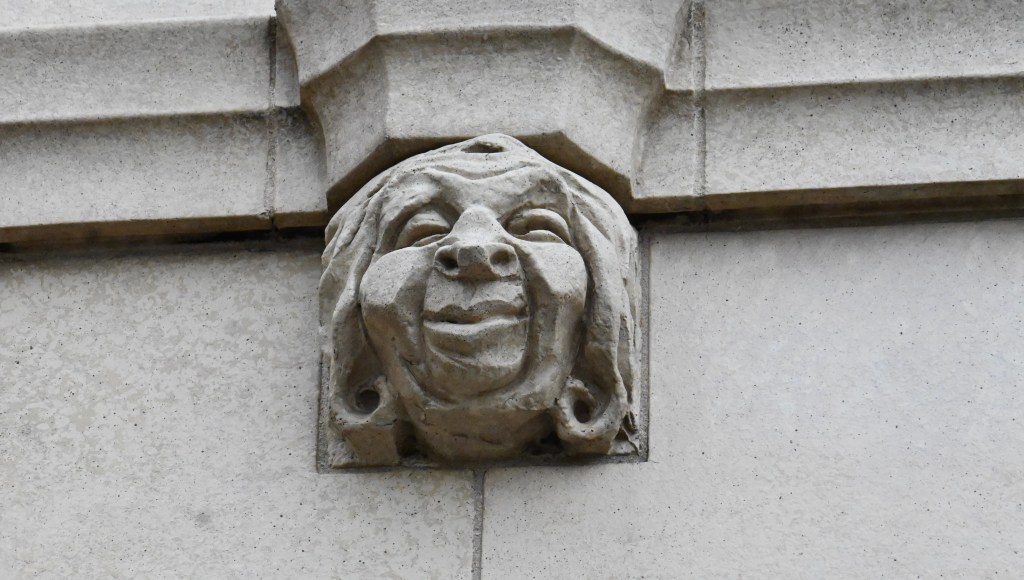
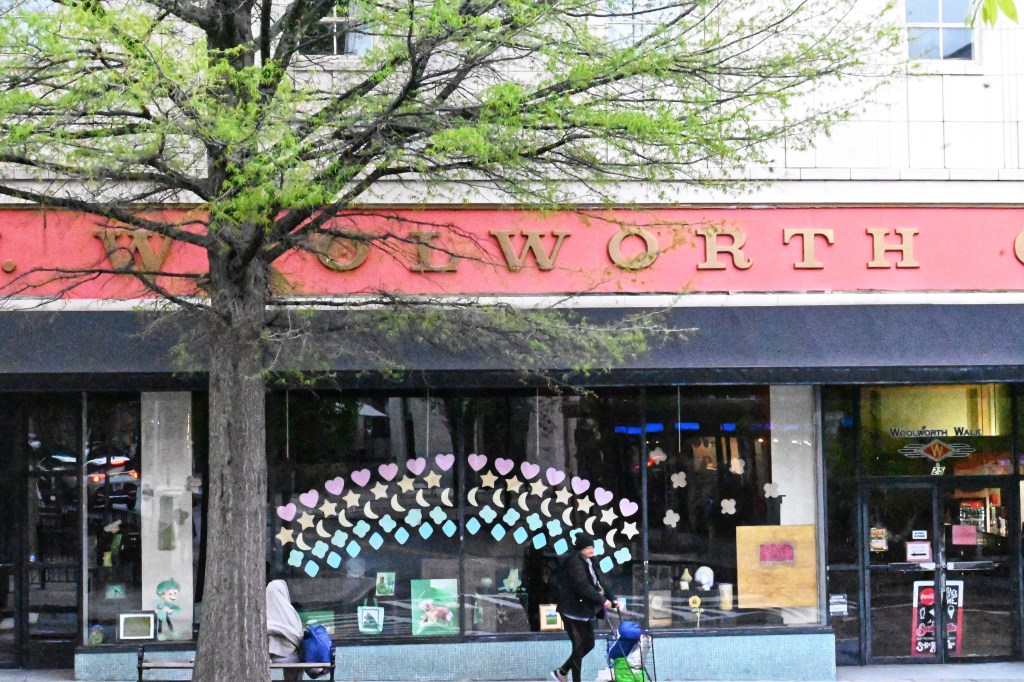
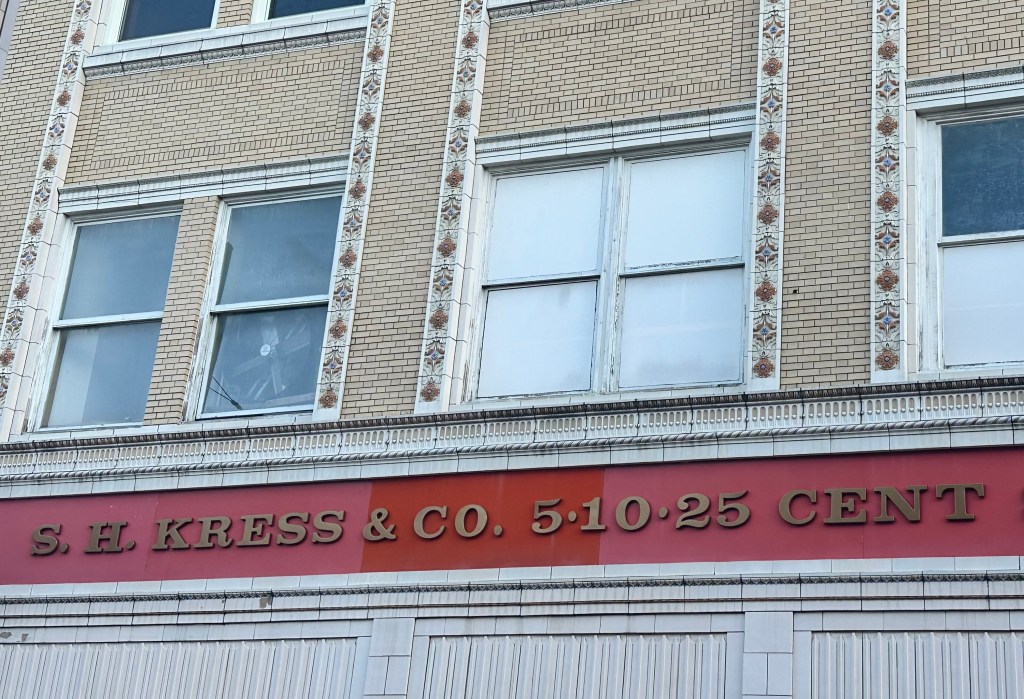
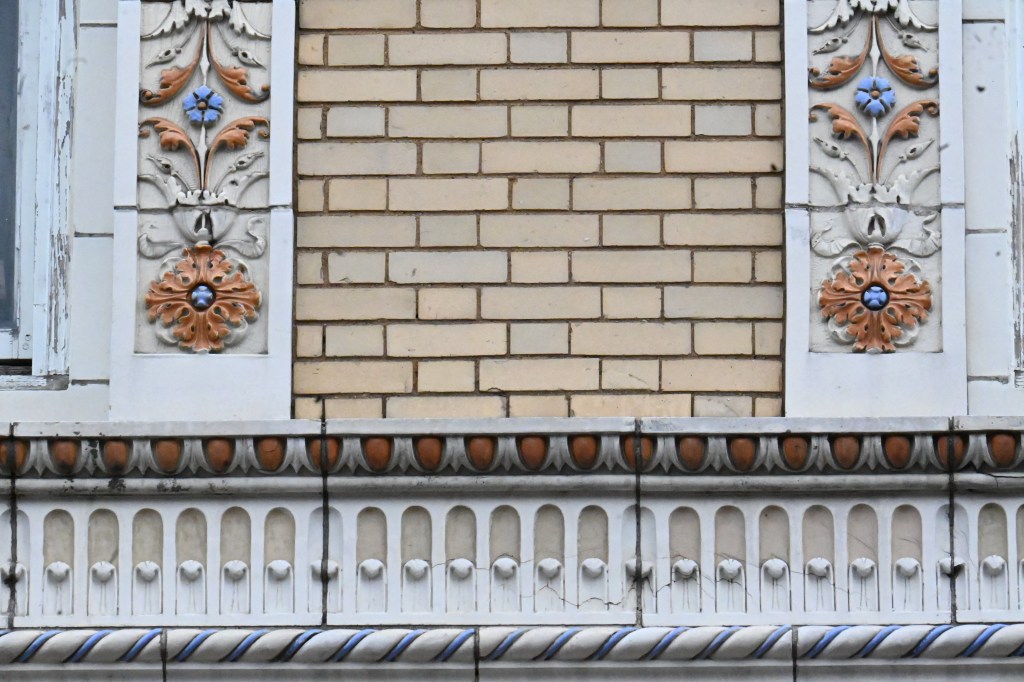
I told him I was very impressed with the architecture of Asheville. He smiled knowingly. “I moved here 20 years ago,” he said, “because this is a city that preserved the original metalwork of the FW Woolworth and Kress Stores. How can you not love it?” I couldn’t agree more.
 Old and On the Way
Very nice. The photos were gre
LikeLike