
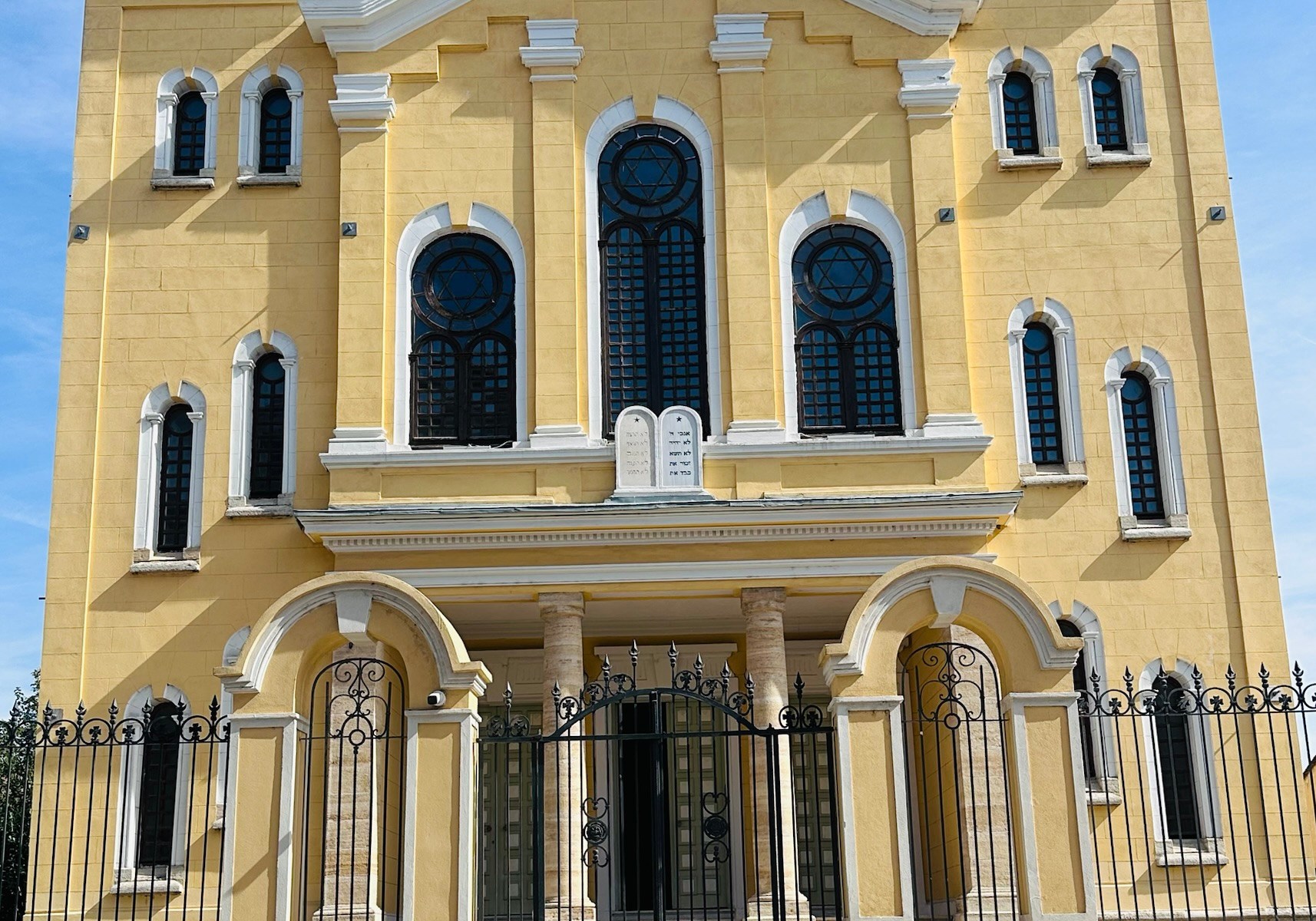
Sometimes when you travel, you go somewhere to see a thing and find an encounter with a place you did not plan. My trip to learn about the Jews of the Balkans began with a hankering to see the Grand Synagogue of Edirne, gloriously restored in 2015 by the Turkish government after nearly all of Edirne’s Jews had left. What was the the third largest synagogue in Europe (at the time) doing in a city I never heard of on the border of Türkiye and Bulgaria?
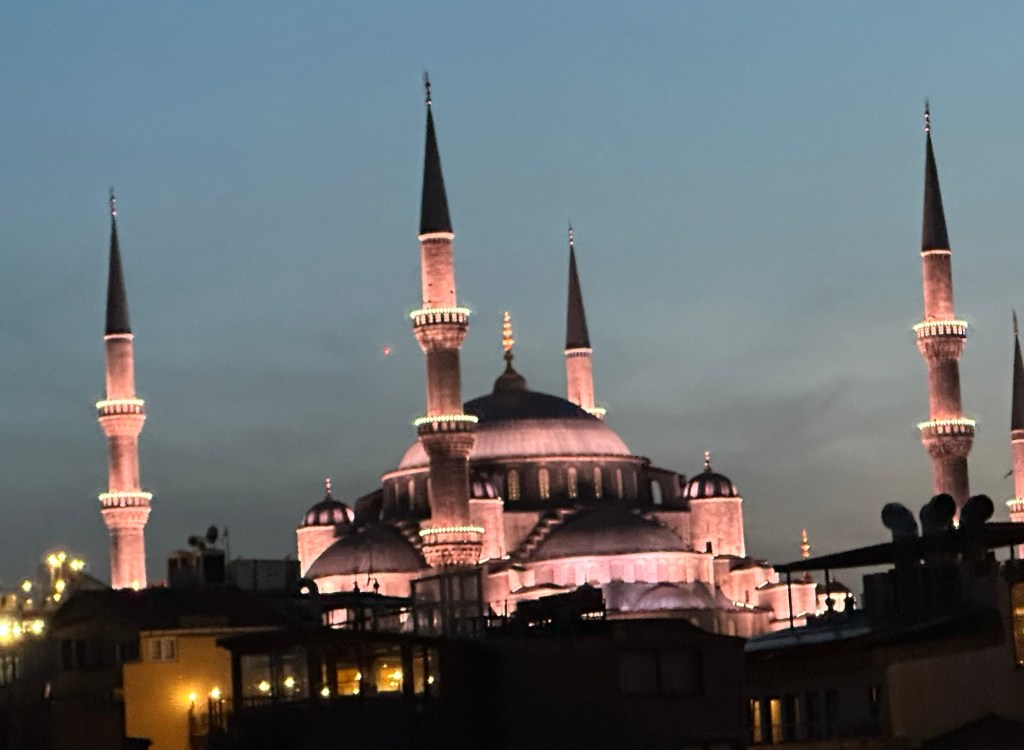
Our trip began in Istanbul, a city we had visited only two years ag and to which we immediately wanted to return. I won’t speak here of the many dazzling sights of Istanbul. For this trip, Istanbul, this city at the crossroads of history, was a place to start the journey north into the Balkans.
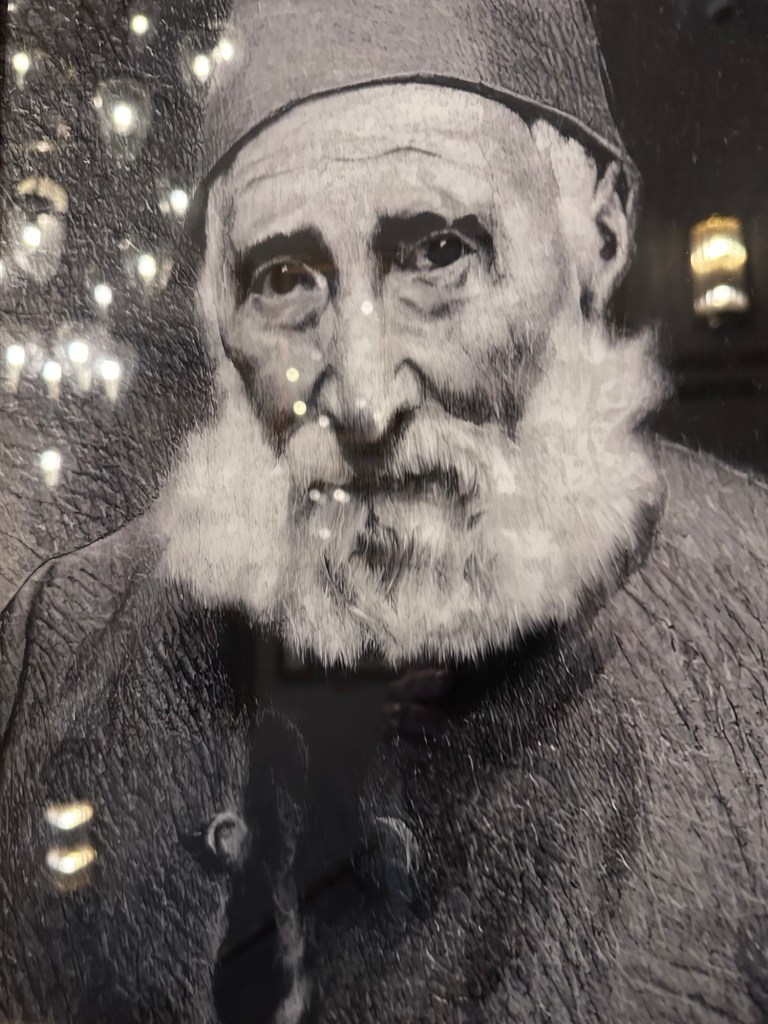
Our visit to Istanbul had an unexpected Jewish angle. We stayed in a hotel called DeCamondo Galata (lovely, by the way, and a fantastic location), part of a group of three DeCamondo hotels. The Camondo family were wealthy Sephardic Jews of Istanbul, bankers, developers and philanthropists, financiers of the Ottoman Empire. The hotels are in buildings built by members of the family in the 19th century. Photos of family members adorn the lobbies of the hotels.
By the 20th century, the Camondos had mostly left Istanbul for Paris. By 1945, the remaining descendants of the illustrious financiers had been murdered at Auschwitz. Much of the family fortune was later squandered.
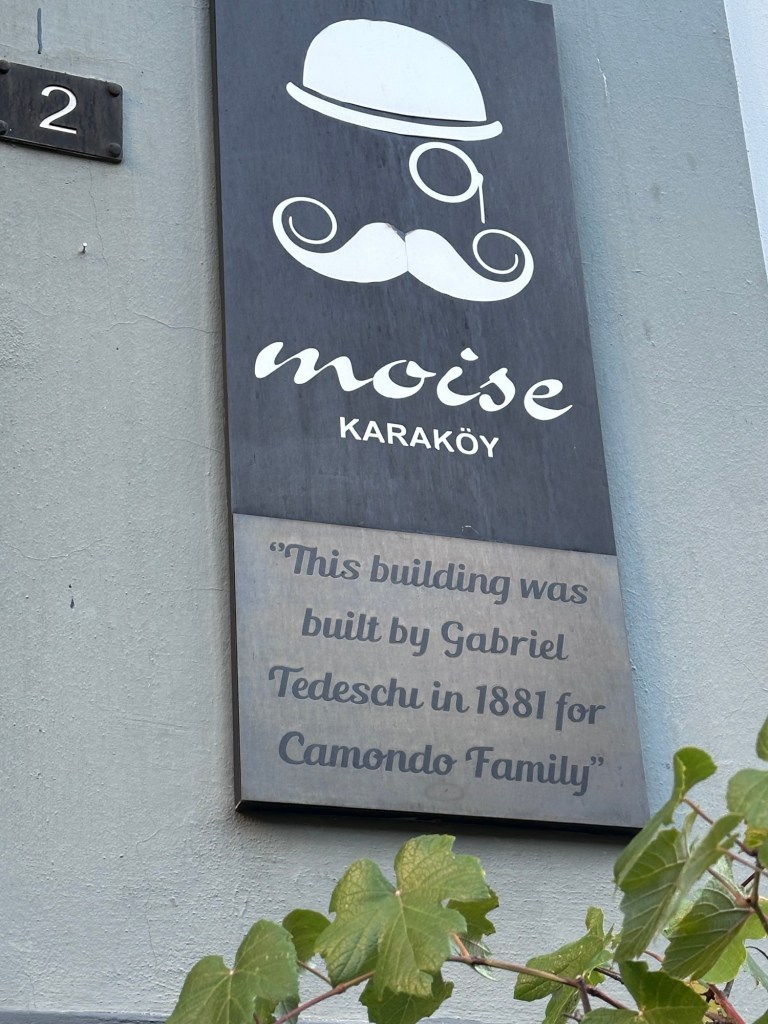
I am still puzzled by the choice of branding a hotel group after a once illustrious Jewish family that met such a tragic end. But perhaps it was a fitting preface to our travels to Jewish communities lost to history: Edirne, Plovdiv, Sofia and Thessaloniki.
The Edirne synagogue stands at the edge of the commercial heart of this small city. We walked from our hotel through a market center reserved for pedestrians.
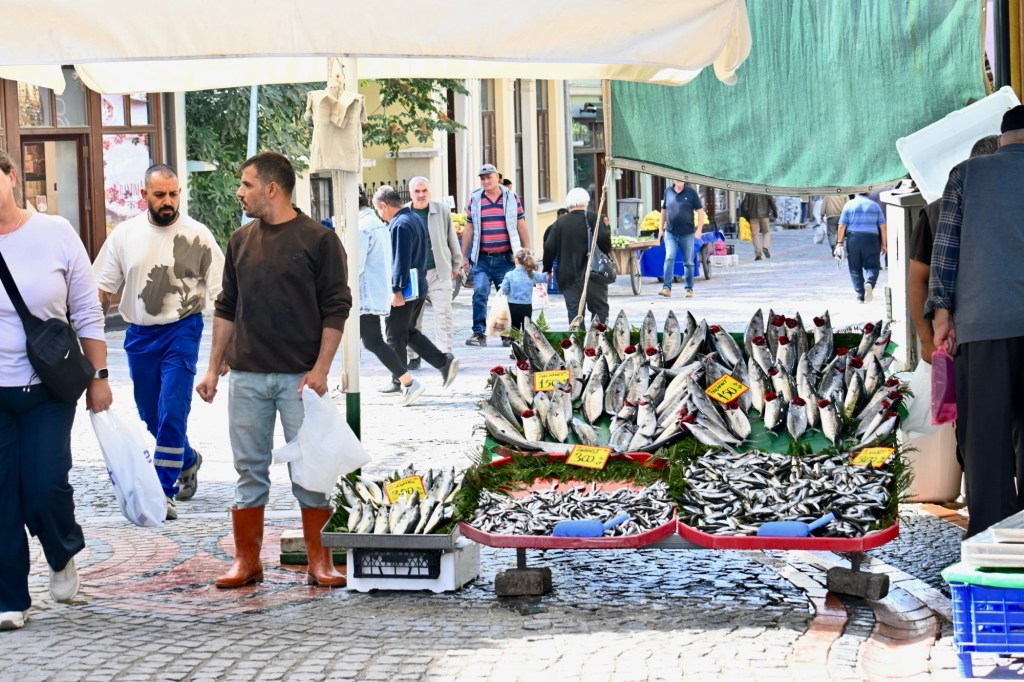
Narrow shops and stalls and sidewalk cafes line the cobblestone streets paved in scalloped designs. The shops are filled with the wares of everyday life: fish, vegetables, shoes, phone cases, bakeries, jewelry.
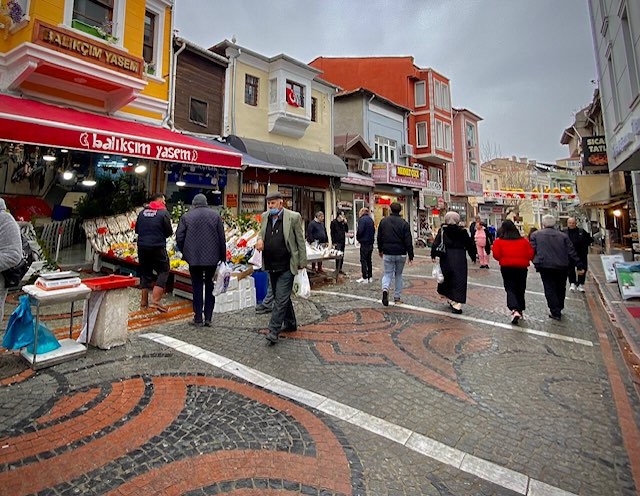
It is both bustling and easygoing at the same time.We stop, transfixed for a few minutes, to watch two men make sheets of filo dough. One kneads the smooth dough into small mounds and the other miraculously stretches into springy thin circles that never tear. They are then stacked to be made into baklava.
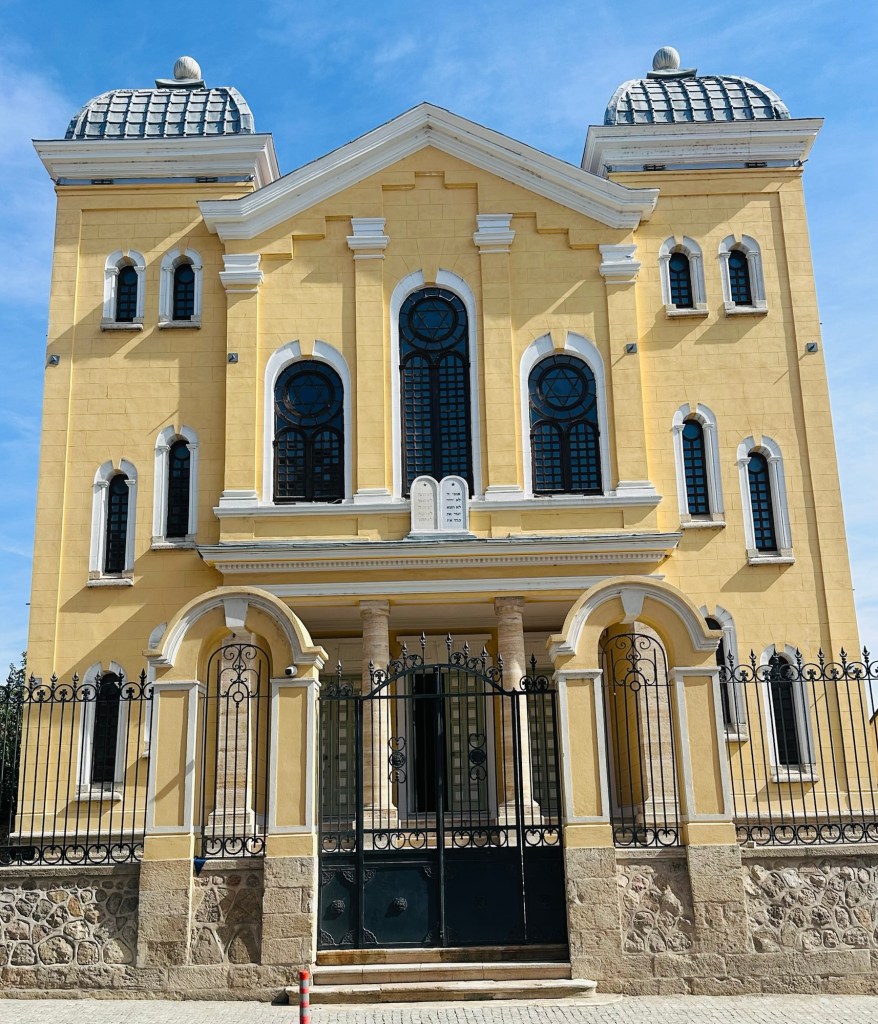
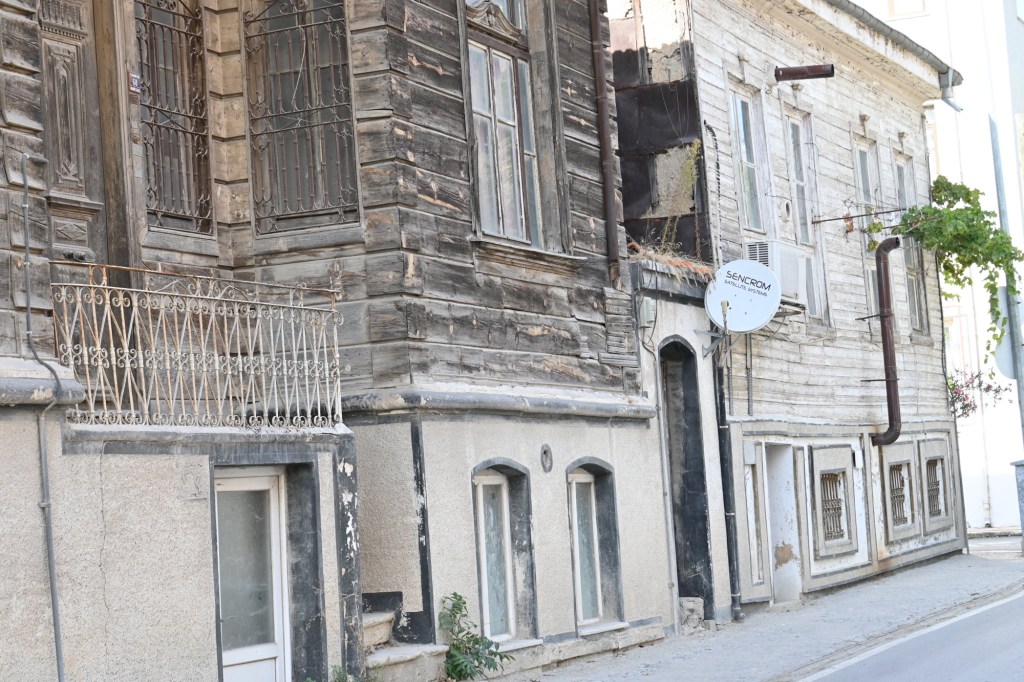
The Grand Synagogue stands on a dusty and quiet residential street just past the market. Its Moorish architecture and bright marigold façade seem illuminated in the bright sun. No one is around except a bored-looking guard by a metal detector.
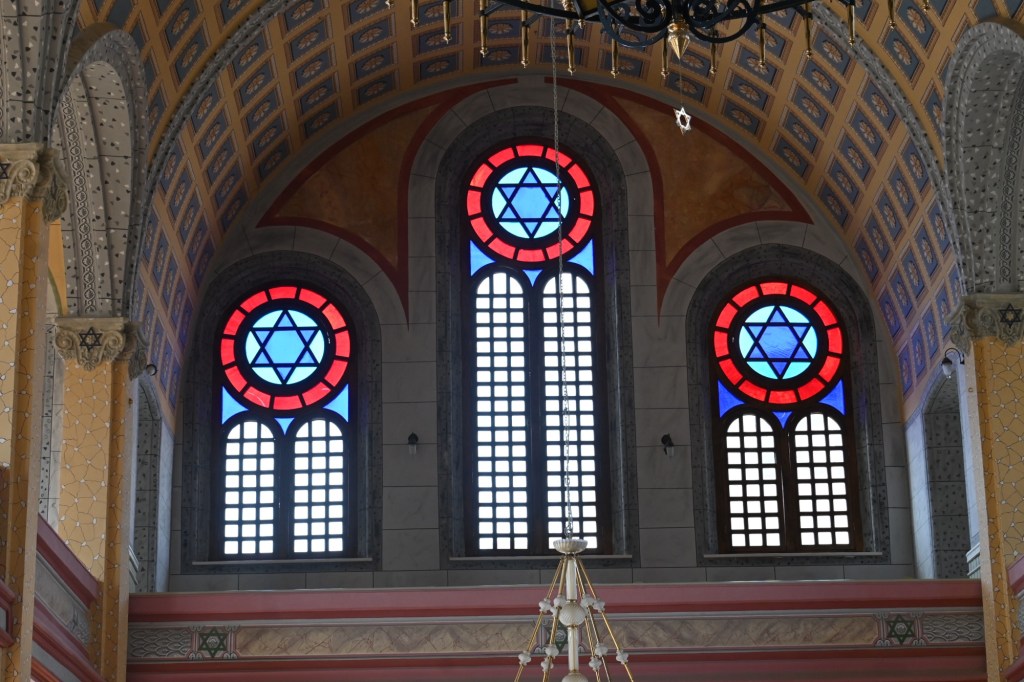
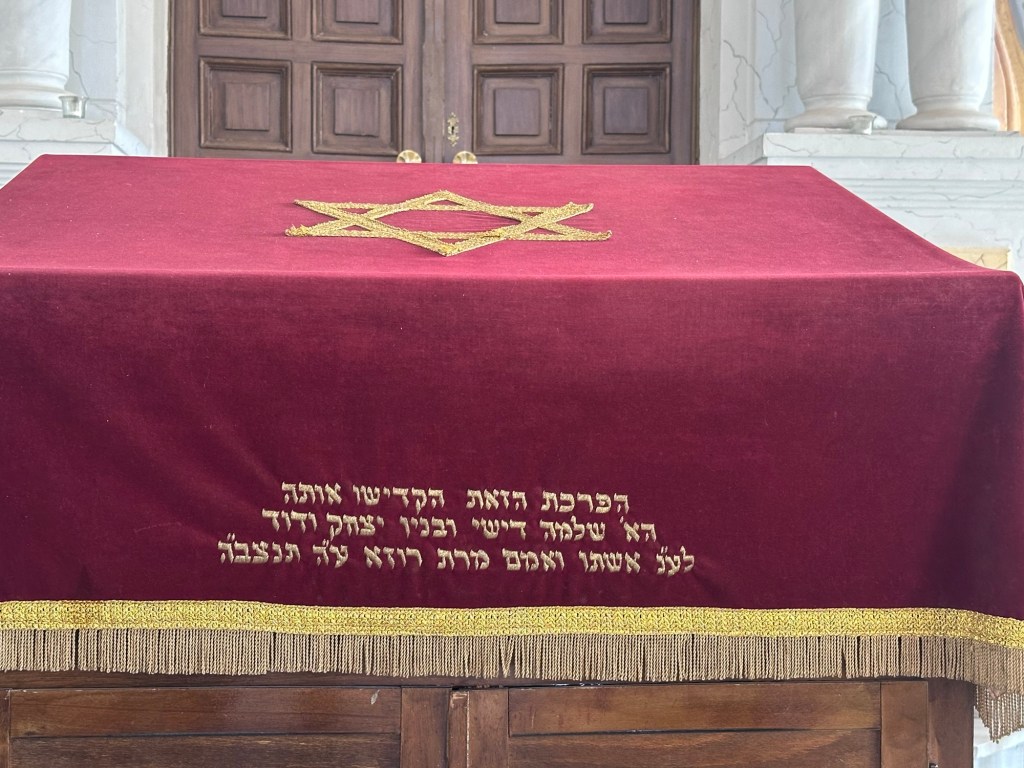
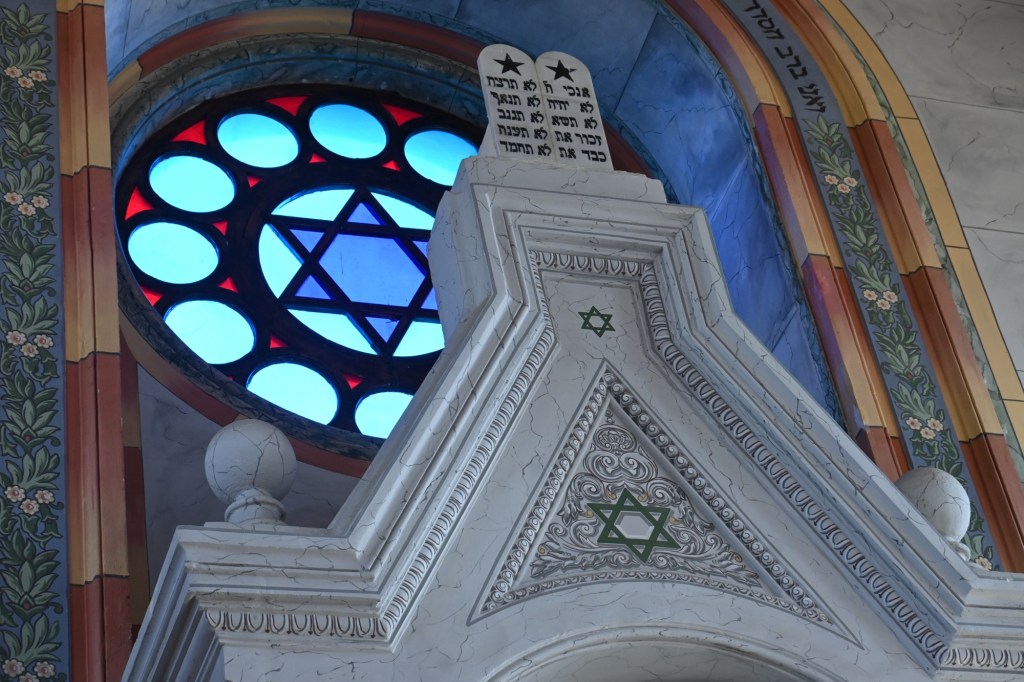
Entering the sanctuary, I came face to face a towering ark, painted gleaming white and framed by deep red and blue stained glass windows.
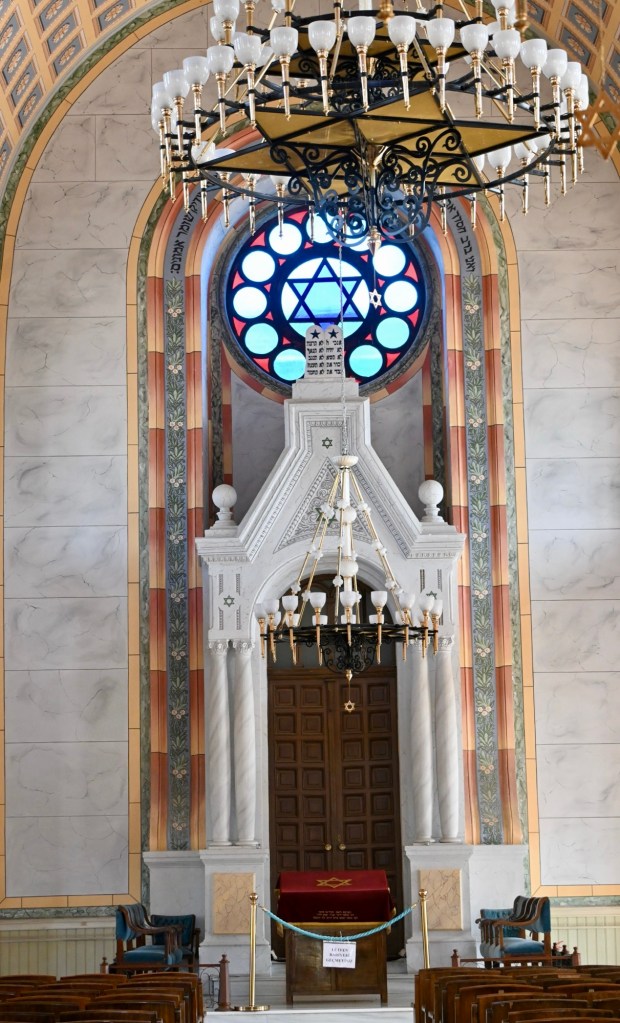
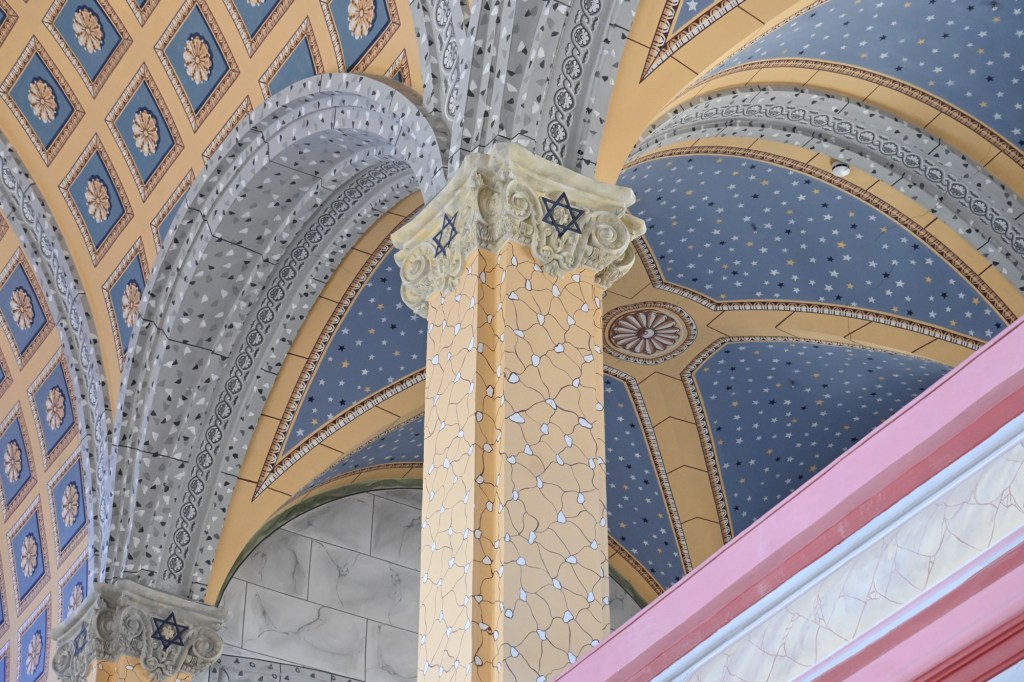
The arches that frame the sanctuary and create the women’s balcony have been painted in sky blue, rose and a deep yellow, columns marbled, the domed ceiling dotted with tiny stars. The effect is both awe-inspiring and comforting.
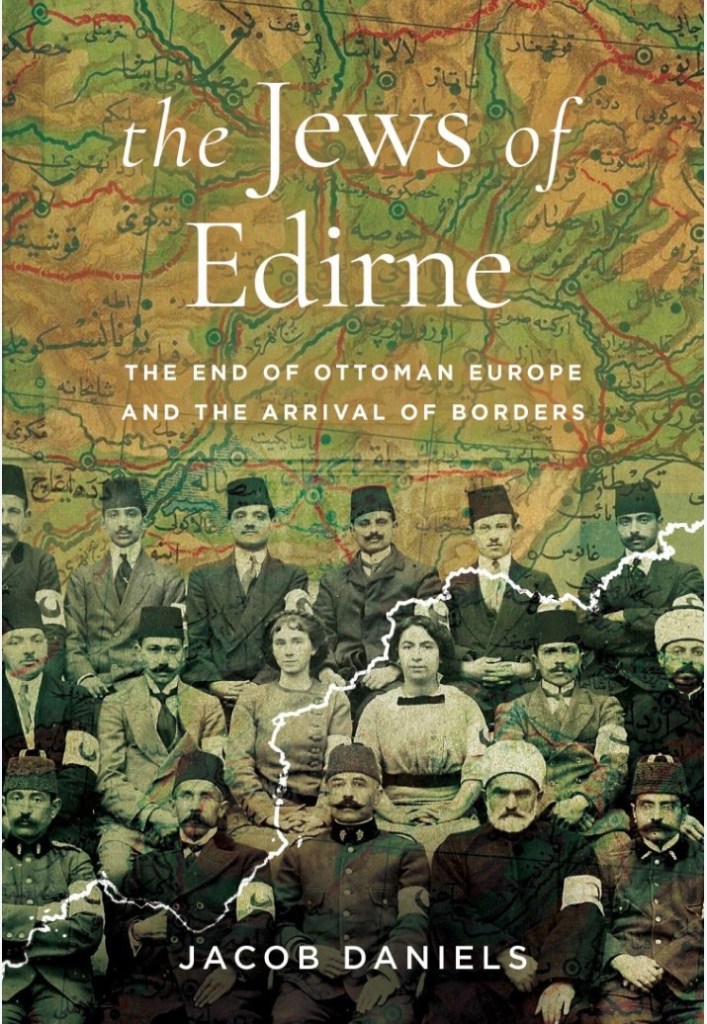
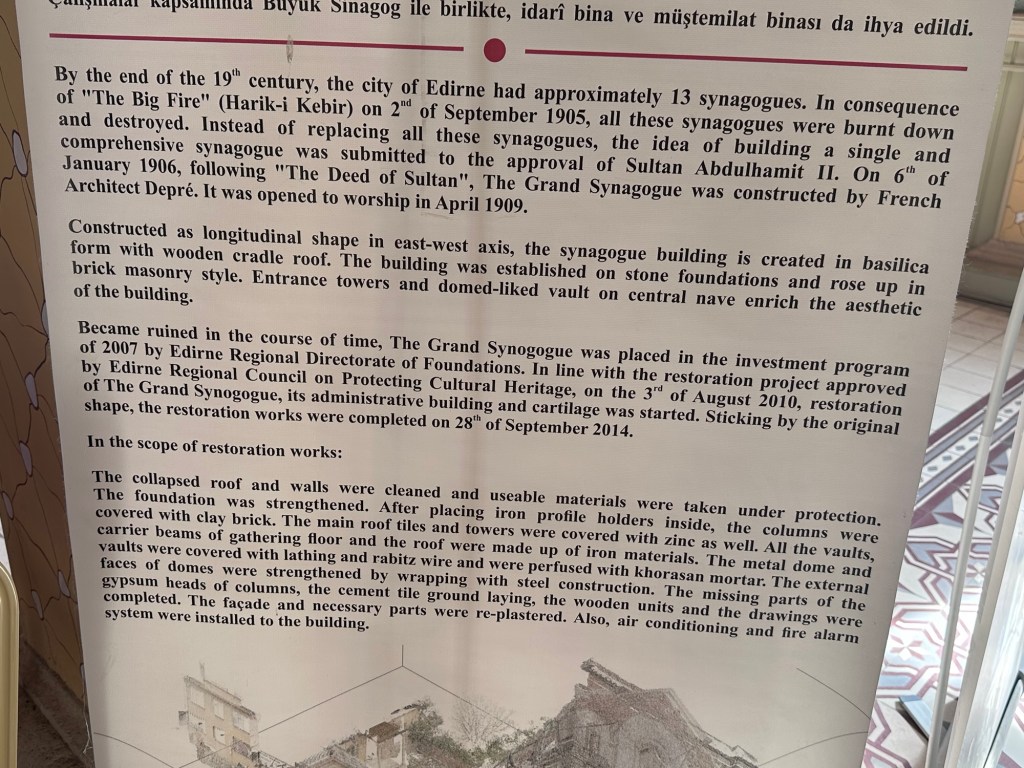
Sitting there, I tried to imagine the community of nearly 20,000 Jews who had lived among the Ottomans for 500 years. According to The Jews of Edirne: The End of Ottoman Europe and the Arrival of Borders, the mostly Sephardic community thrived as merchants, tradespeople and scholars. Their cultural and spiritual community spread to Istanbul, Plovdiv and Salonica. They considered themselves loyal Ottomans.
When the synagogue was built in 1909, replacing thirteen synagogues that had burned in a city-wide fire, it held 1200 worshippers. But, with the breakup of the Ottoman Empire, and the ravages of World War I, that community was gone by the 1930’s- to Istanbul, to Palestine, to the new world.
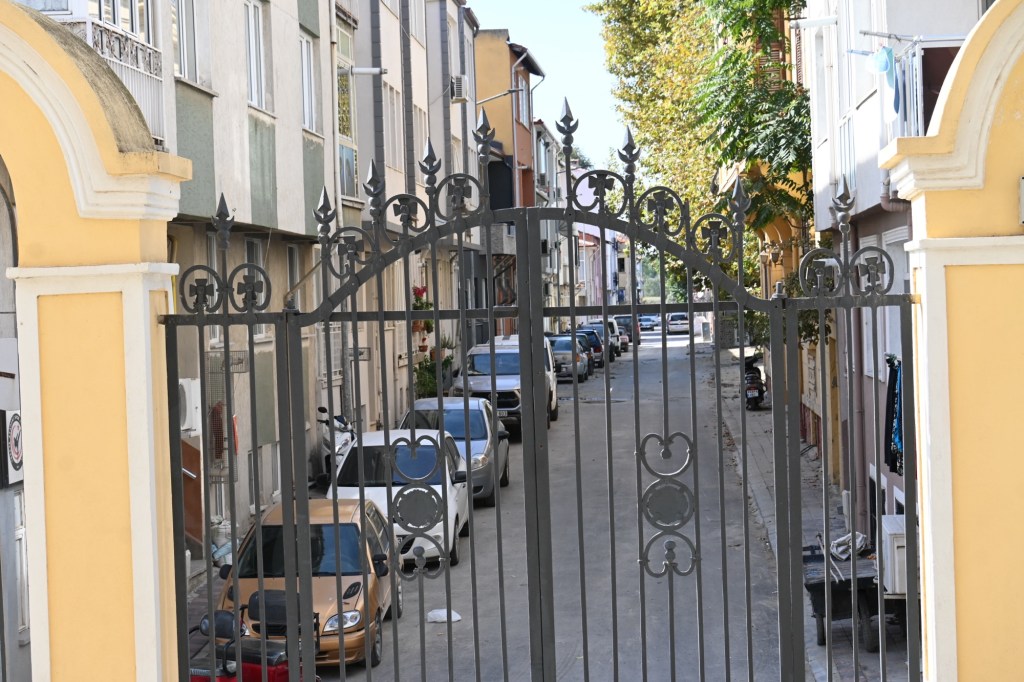
Fast forward to 2015. The Turkish government raised the Grand Synagogue from literal ashes, creating the gleaming sanctuary in which I sat on a quiet morning.
I imagined the joy of its opening, the sound of prayers, the Jewish homes and shops that lined the nearby streets.
We left the Grand Synagogue subdued, taking a slow walk back through the market. There was one more holy place on our list— the Selimiye Mosque. Finished in 1575 by the architect Mimar Sinan for the son of Suleiman the Magnificent, it is considered one of the greatest achievements of Islamic and Ottoman architecture.
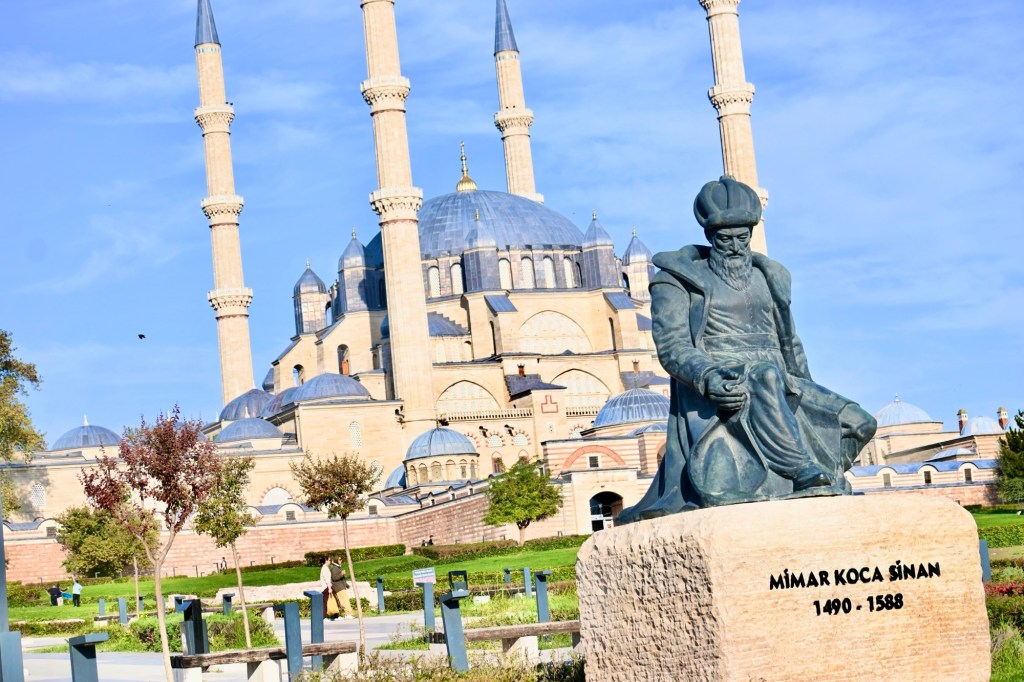
The afternoon prayers had ended when we arrived. Having just arrived from Istanbul, being able to see a monument this magníficent without hordes of tourists was an almost unimaginable relief.
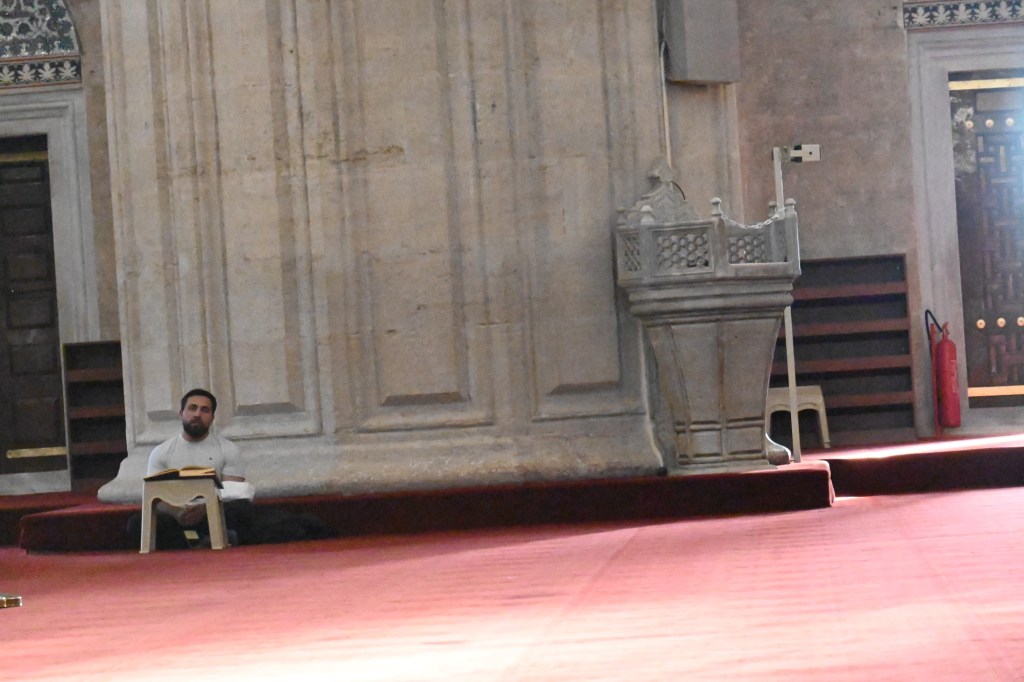
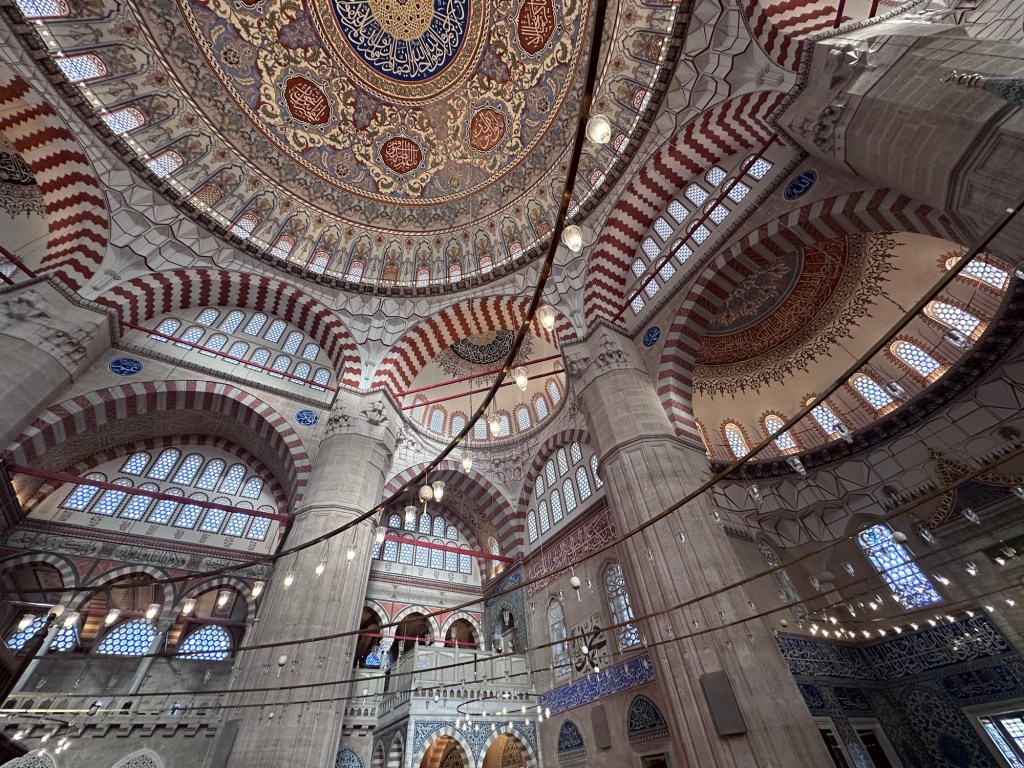
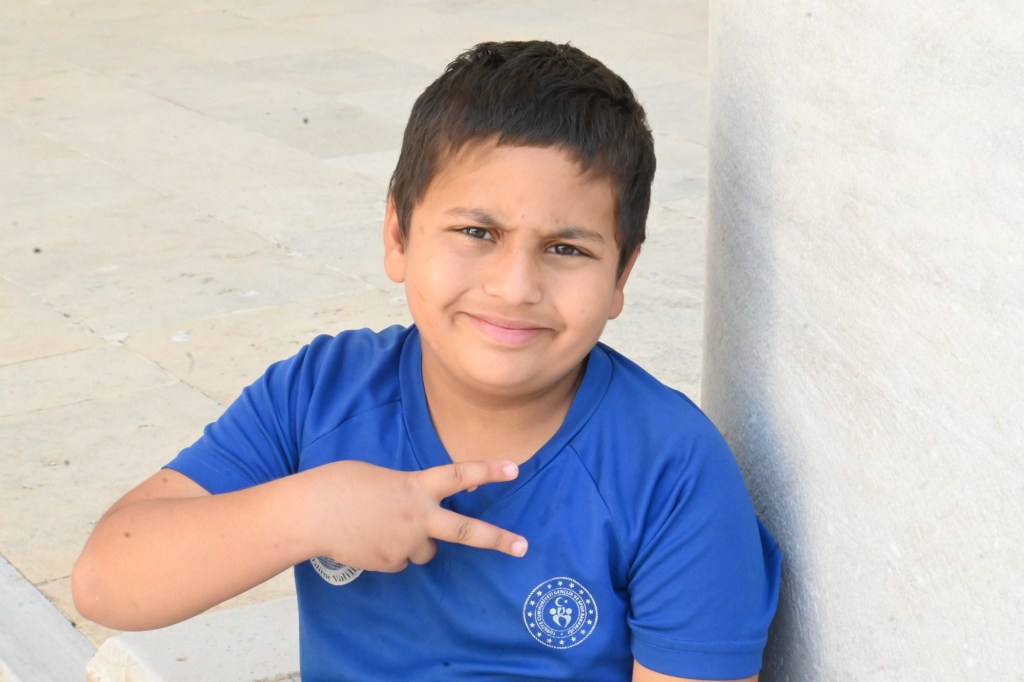
But here we were, on the plush red carpet, together with a few people absorbed in prayer, children amusing themselves.
The silence seems larger in a soaring space empty of people. As in the Grand Synagogue, I am moved by the reverence that these domes and arches and words and images inspire.
When we left Edirne, headed for Bulgaria, I felt the satisfaction of having discovered a place that layered my understanding of the Jewish people and the centuries of their trying to survive, sometimes thriving, sometimes not, in a world in which they were always apart.


This is fascinating Sharon, thanks so much for sharing this. You’ve written it beautifully, helping me see it so clearly.
LikeLike