
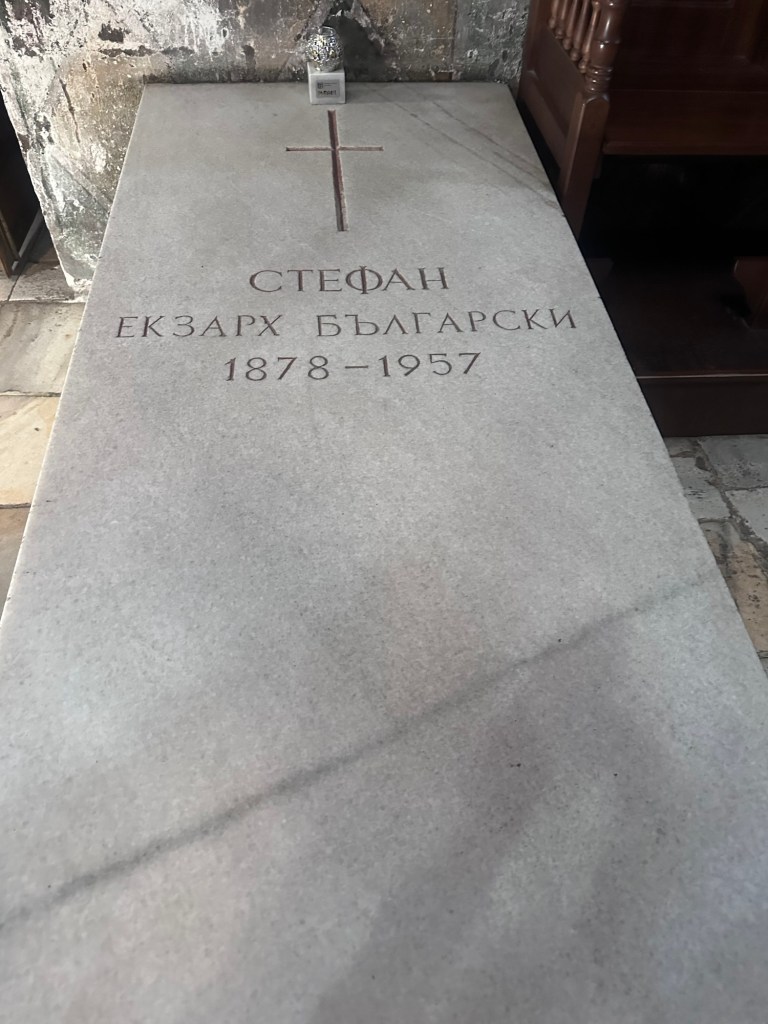
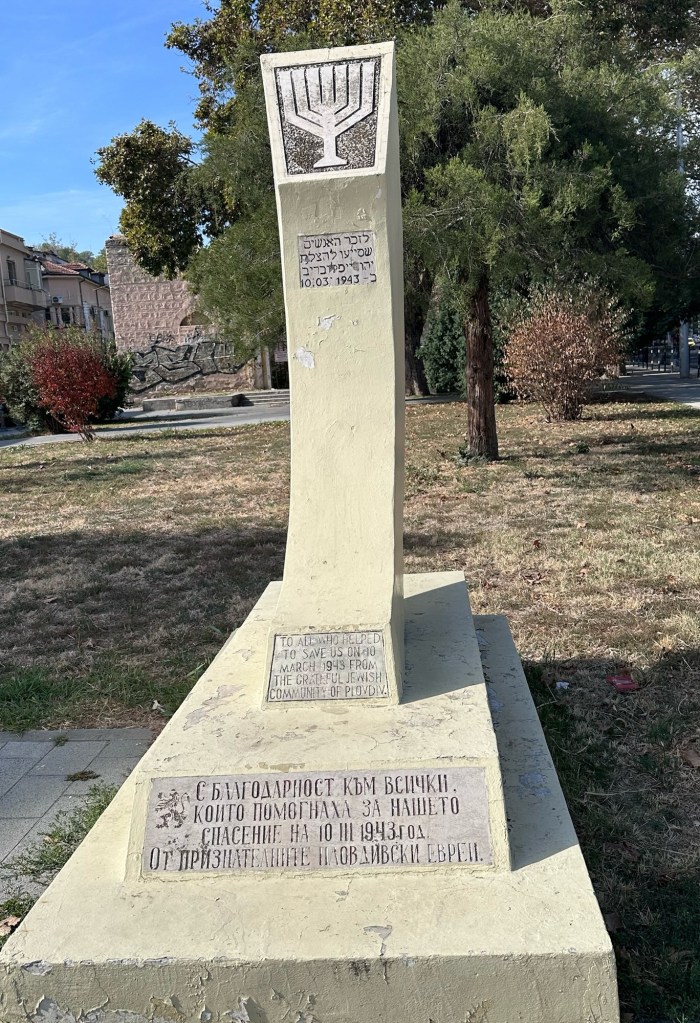
I’ll start at the beginning of the end. Bulgarians are rightly proud that their king, Tsar Boris III, refused Hitler’s demand to deport Bulgarian Jews to concentration camps, supported by the leaders of the Bulgarian Orthodox Church. There are monuments to this defiance in Plovdiv and Sofia. They are rightly considered heroes.
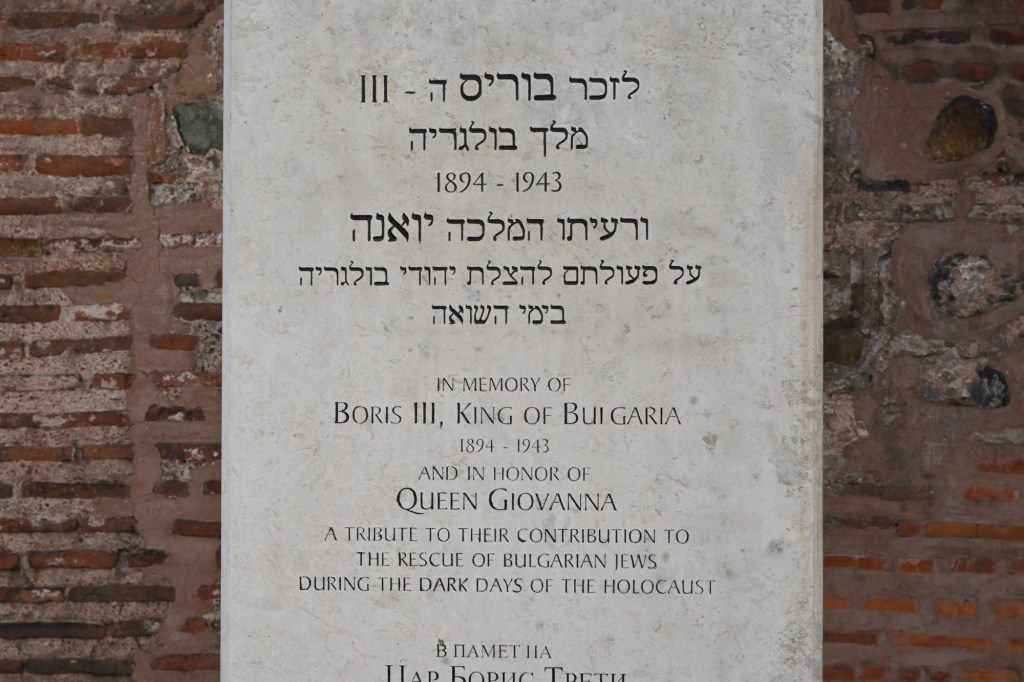
As with all stories, the historical truths are more layered. Bulgaria, still chafing after 500 years of Ottoman rule, allied itself with Germany in both World Wars. Approximately 15,000 Jews who lived in Bulgarian-occupied Thrace were deported to concentration camps. Still, the rescue of 48,000 Jews in the face of Nazi horror is indeed something to be honored. After World War II, most of those Jews would leave for Israel, leaving a population today of around 2,000.
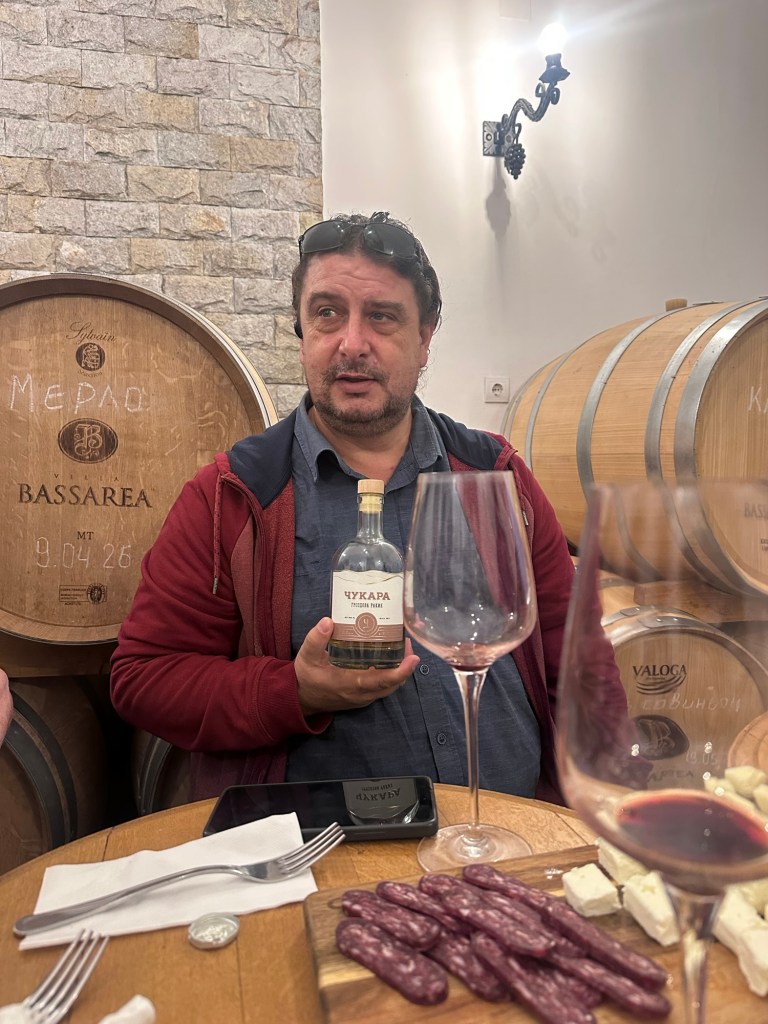
Visiting Bulgaria in 2026, we found a country still proving its place on the world stage after years of post-war Communism. Our guide, Philip, is intensely nationalistic, heaping superlatives on Bulgarian culture (The best yoghurt! The most beautiful roses! The first commercial war!), still feeling the resentment against Türkiye and Russia, thrilled to be showing off his country to visitors.
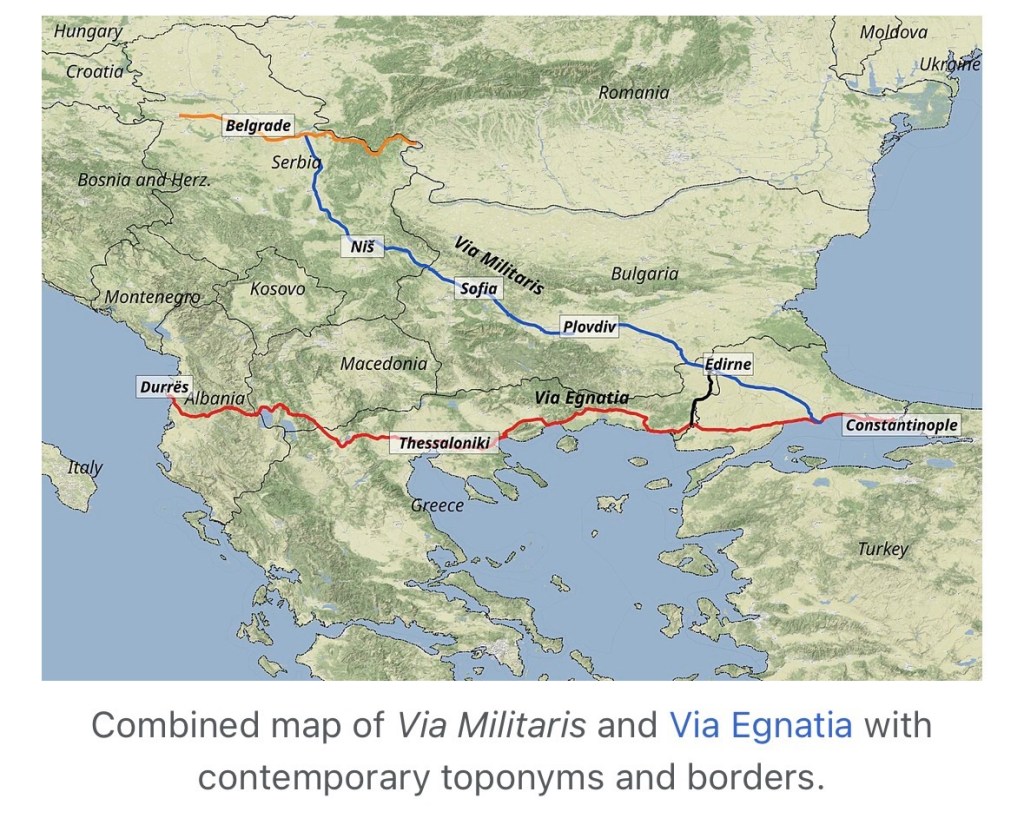
Plovdiv lies about halfway between Edirne, Türkiye and Sofia, the capital of Bulgaria. All of them lie on the Via Diagonalis (or Militaris), the ancient Roman route that linked Constantinople to what is now Belgrade. You cannot help but feel that flow of human history in this region—Jews, Muslims, and Christians alike
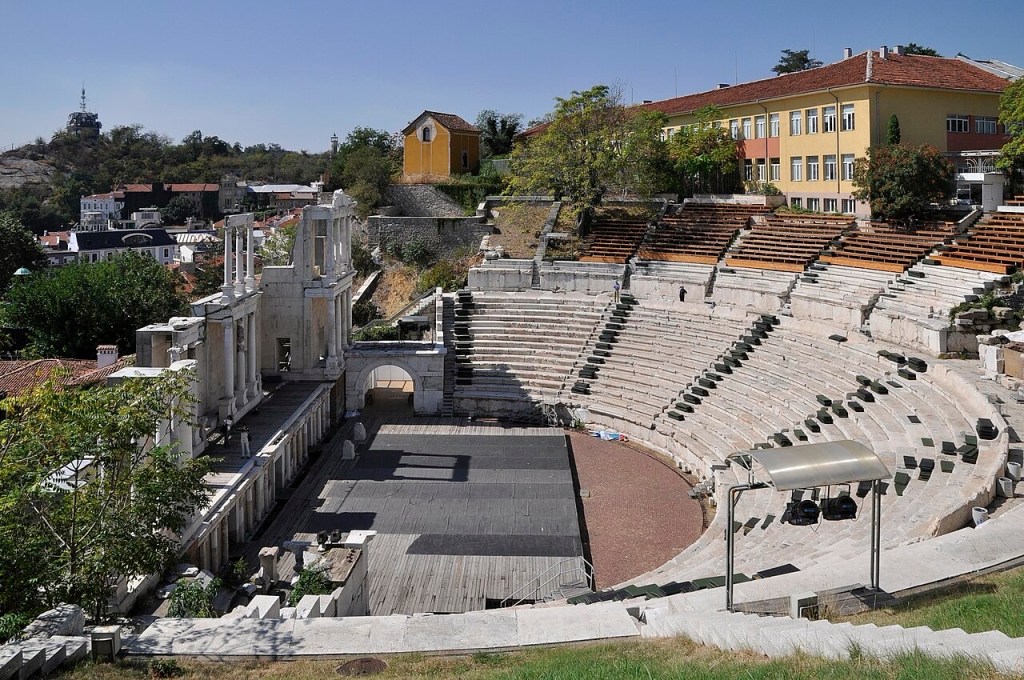
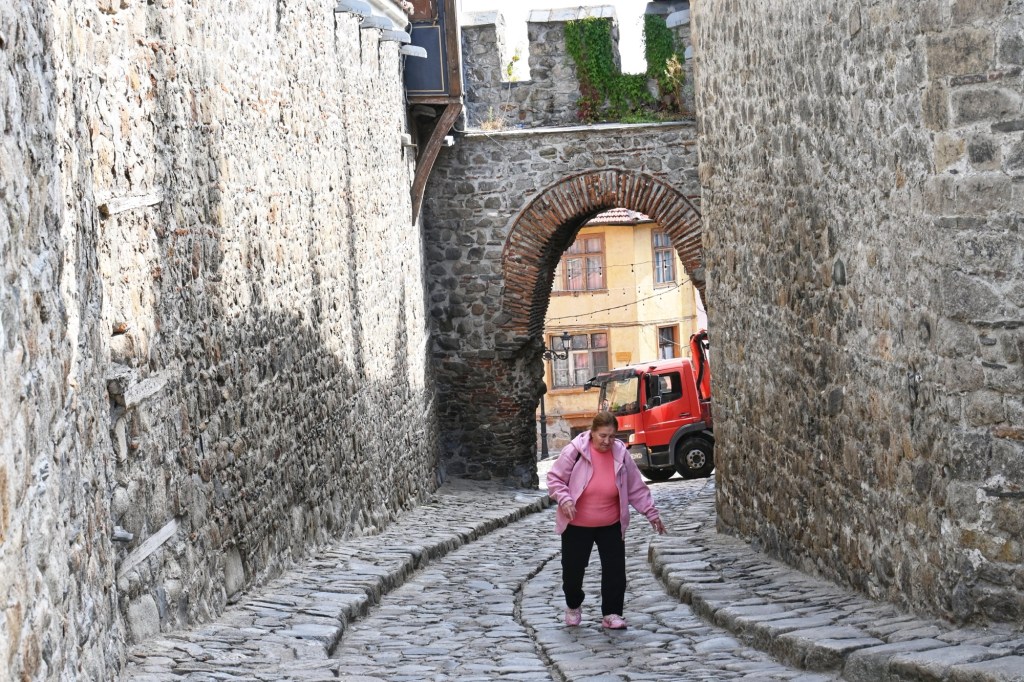
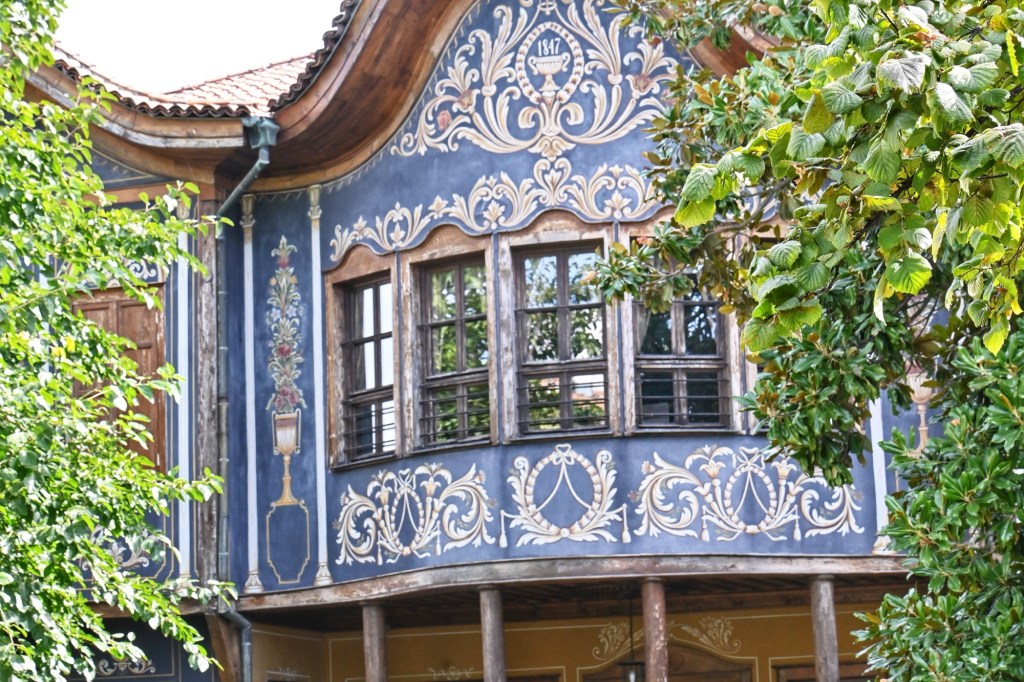
The appeal to visitors to Plovdiv lies in its beautifully preserved Old Town, winding through a Roman theater of Philippopolis built in 90 AD for Emperor Domitian, to medieval churches, to grand Ottoman mansions. On a weeknight the streets were crowded with café-goers, families, groups of young people, and tourists.
The Plovdiv Sephardic synagogue lies outside the Old Town, on a quiet residential street. No signs signal its presence. Phillip had called Alberto Behar, the gabbai, to open the building for us. A gabbai is like a caretaker, but much more so in Alberto’s case. He is the keeper of the building and of the memories of this dwindling community. His grandfather was the rabbi when the temple opened in 1906. His family came to Bulgaria from Spain. He asked me if I spoke Ladino, the vernacular of Sephardic Jews of the Balkans. I said I understood Spanish and thus could understand much Ladino. He looked pleased with my answer.
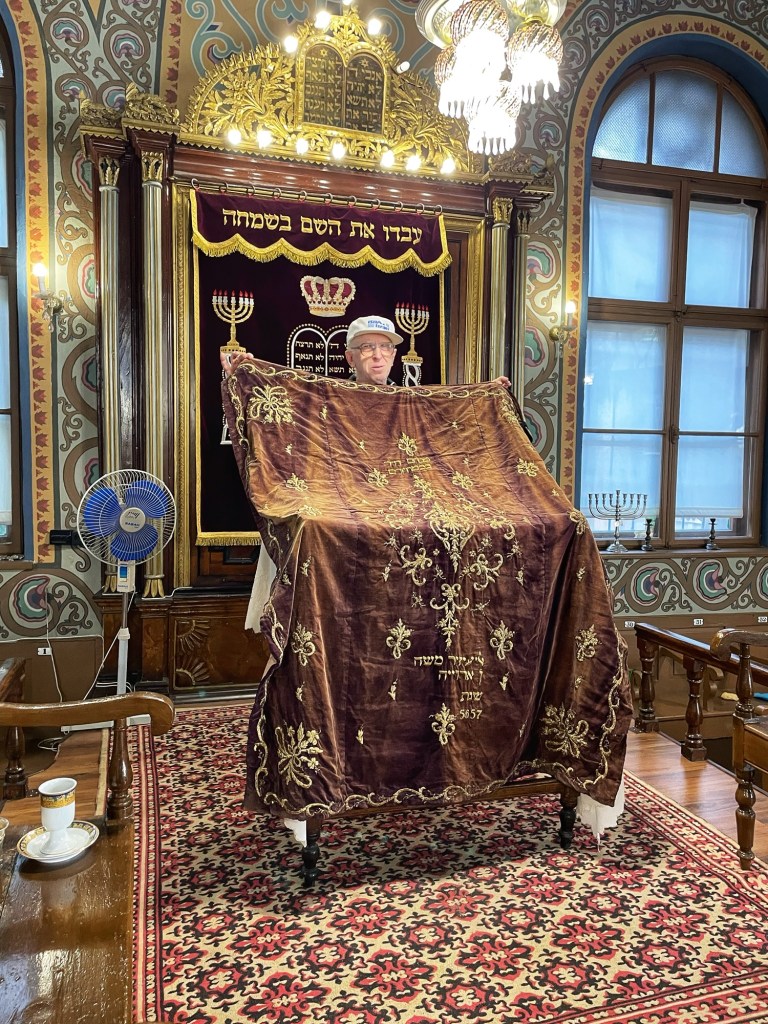
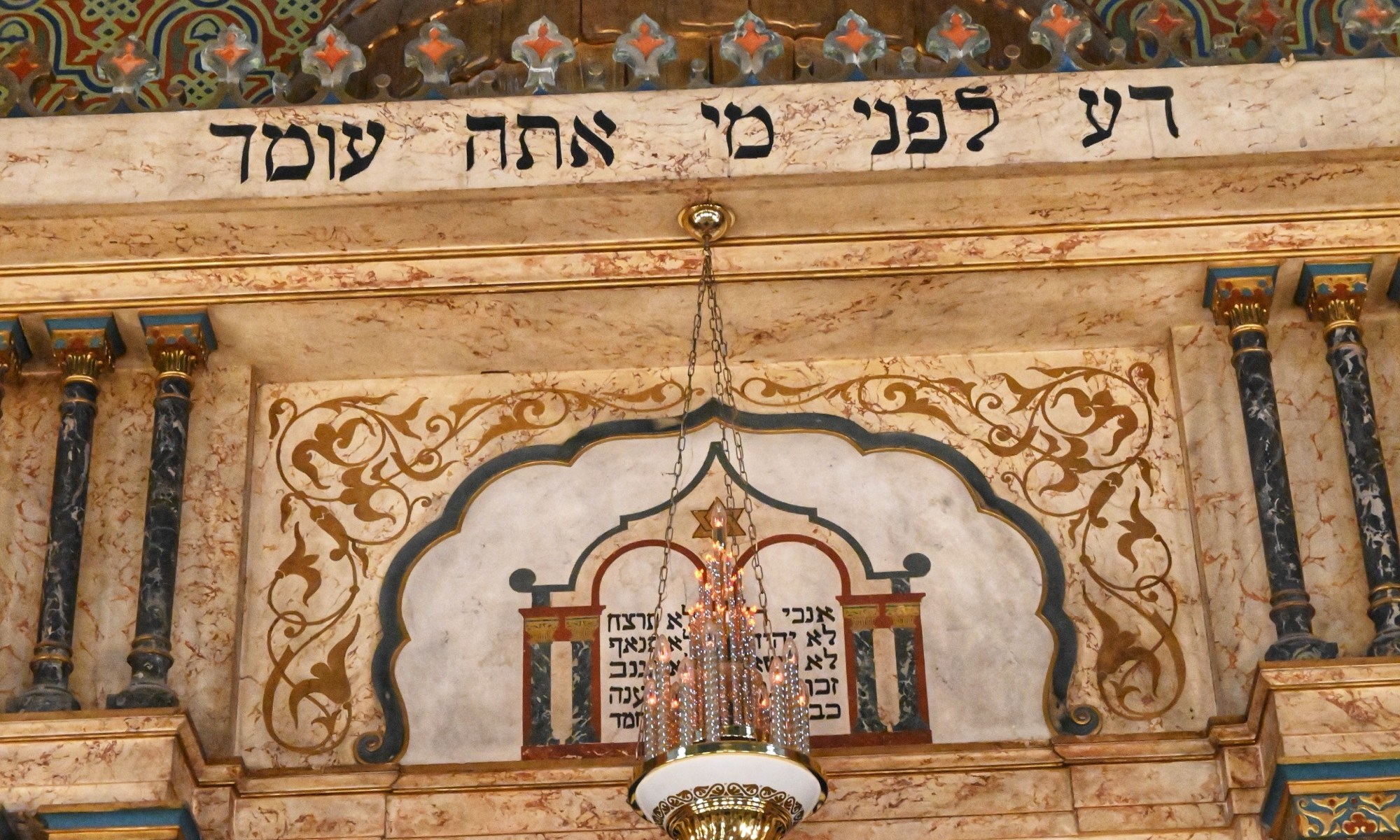
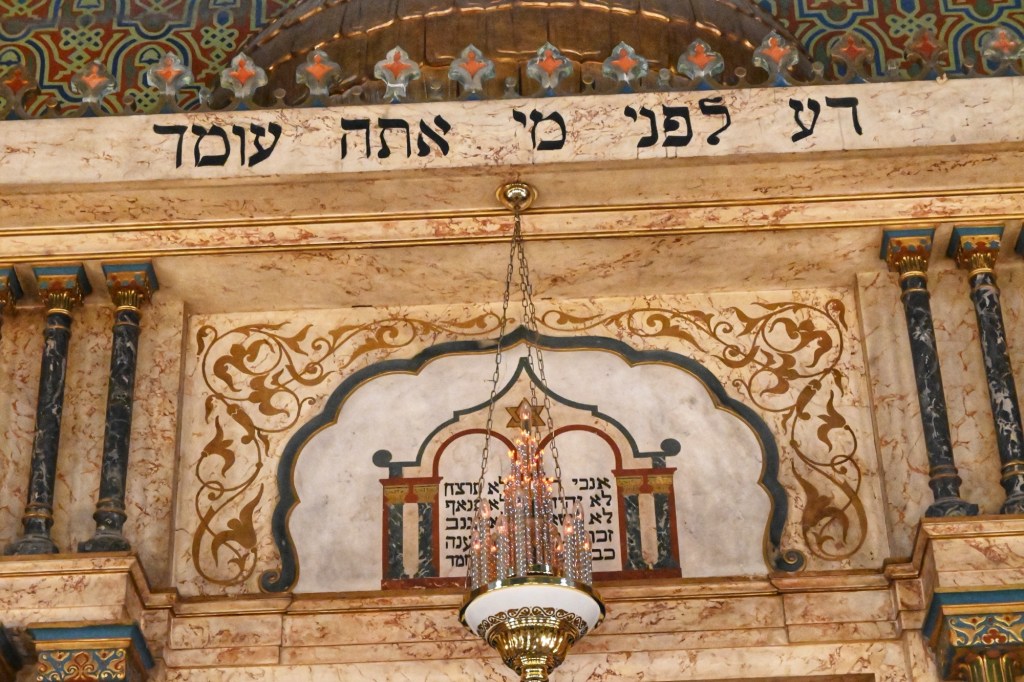
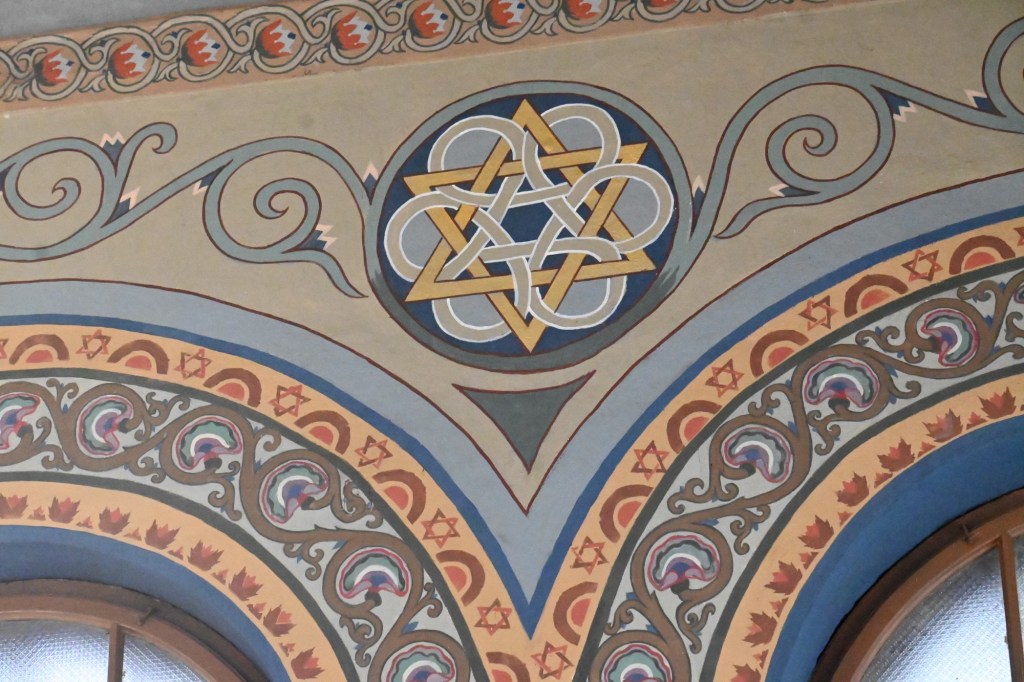
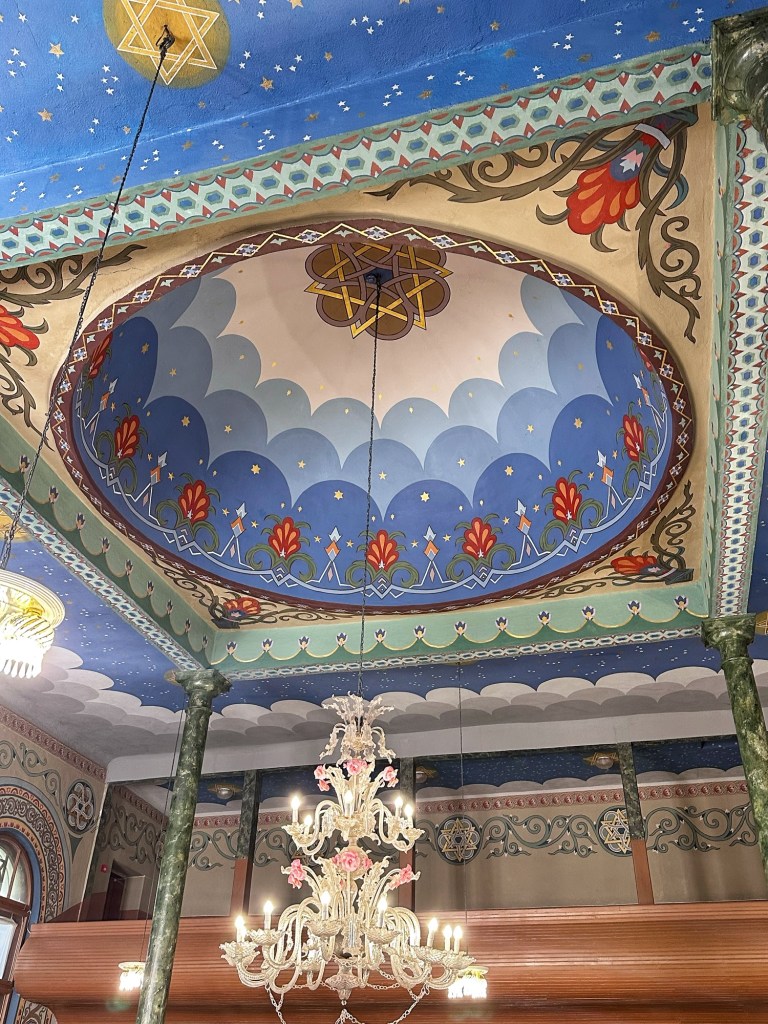
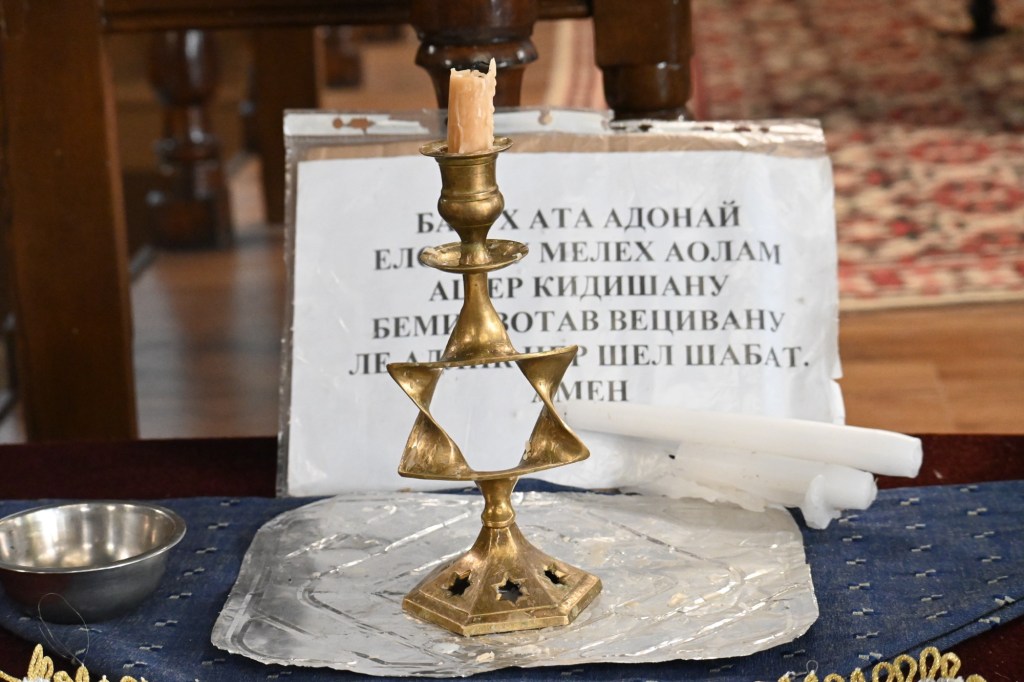
The Plovdiv synagogue is intimate and elegant. A curved glass chandelier from italy, adorned with crystal roses, brightly-colored stars of David, columns painted to mimic marble, a memorial to congregants who had died in warm, a small bimah with brass candlesticks set out, an ark with a deep maroon velvet curtain, embellished with gold letters.
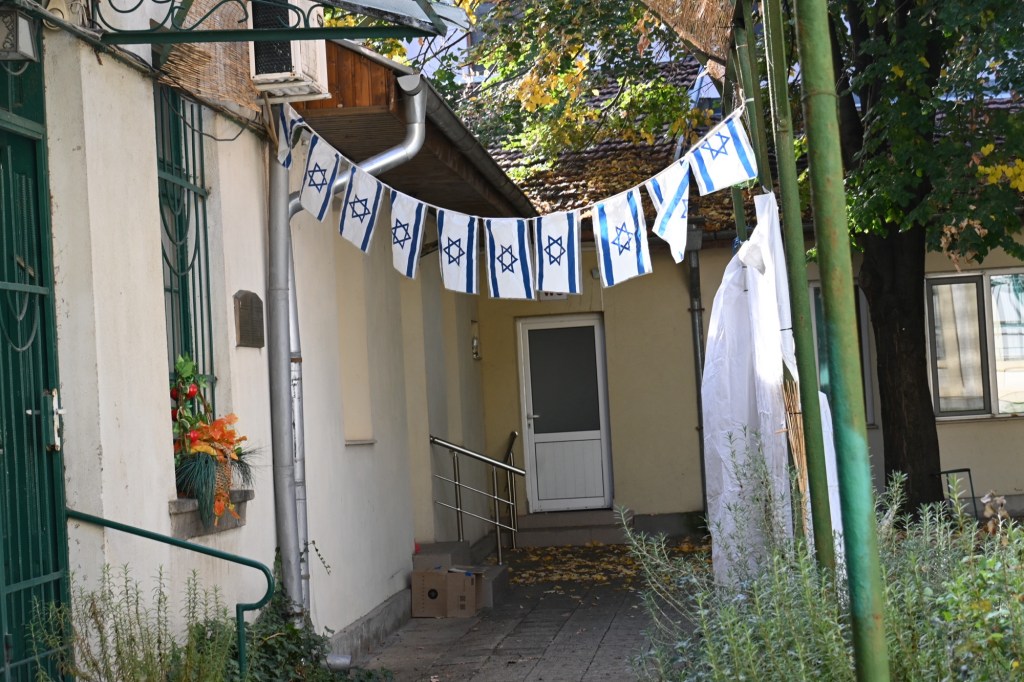
Outside, what remained of the sukkah were wicker wall coverings, tables and chairs and a lulav. The synagogue has no regular rabbi anymore.
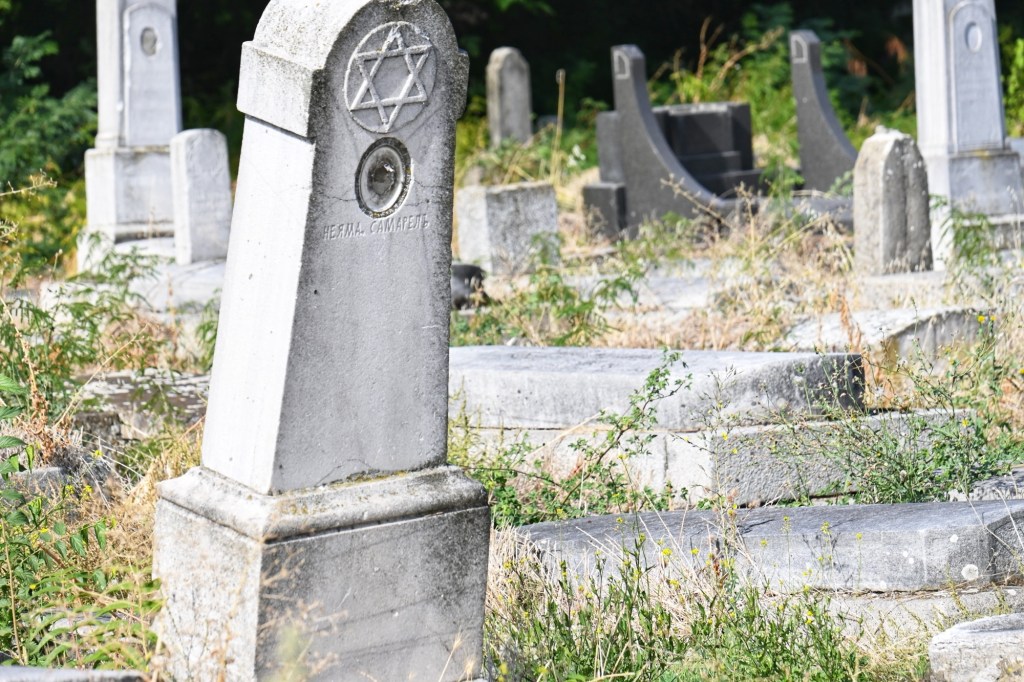
The Jewish cemetery outside Plovdiv is unkempt, many graves have not been cared for in a long time. Perhaps nothing is more indicative of the loss of generations than an un-cared for cemetery. What will happen when Alberto’s generation passes on?

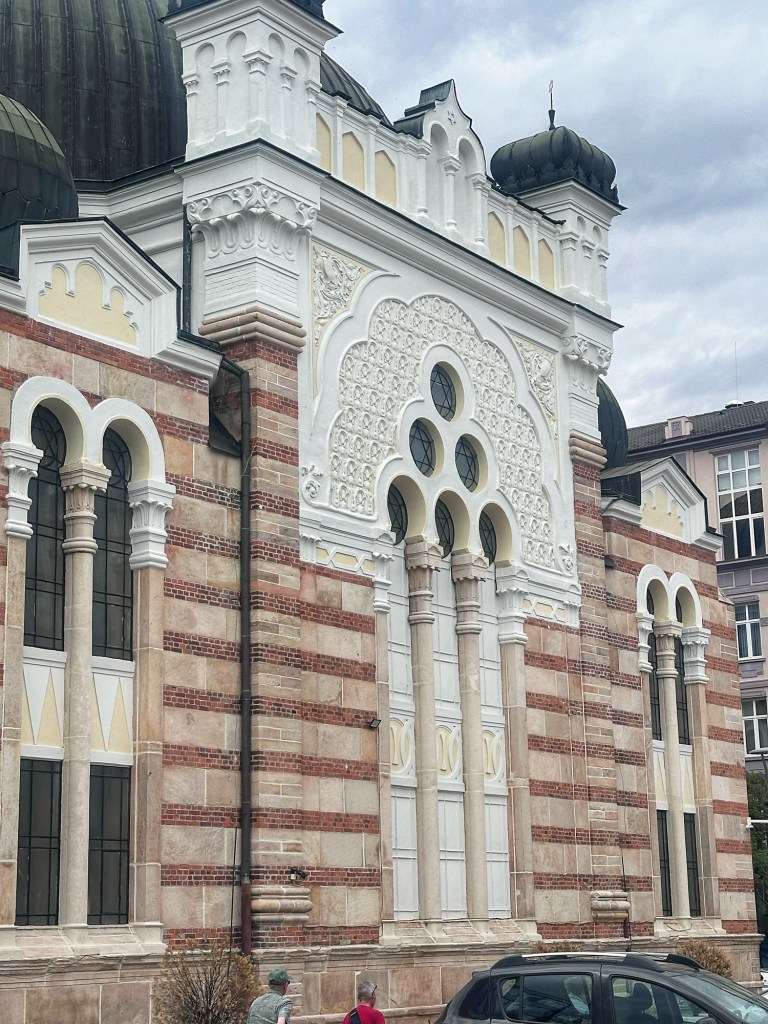
From Plovdiv we traveled to the capital, Sofia. The Jewish community of Sofia is much larger, holding on. They are the guardians of a magnificent synagogue, a Moorish-Byzantine revival citadel that is a landmark of the urban landscape, and one of the largest in Europe.
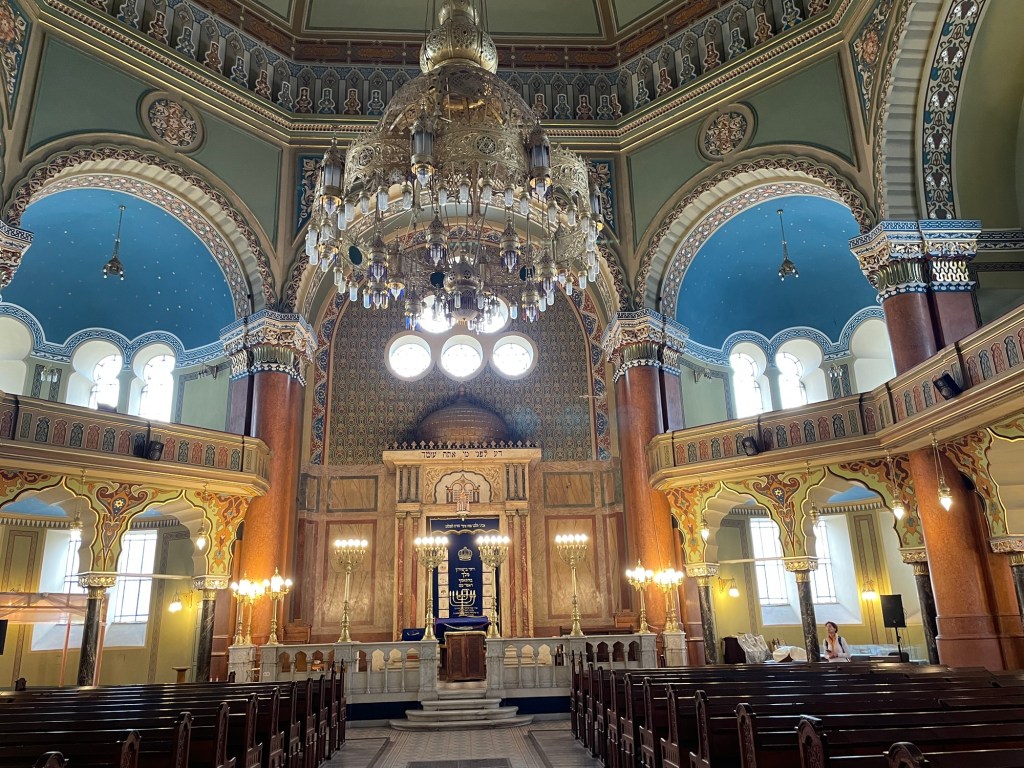
We entered the brightly lit soaring sanctuary, the enormous gold chandelier glittering like a constellation against vaulted ceilings painted to evoke the heavens.
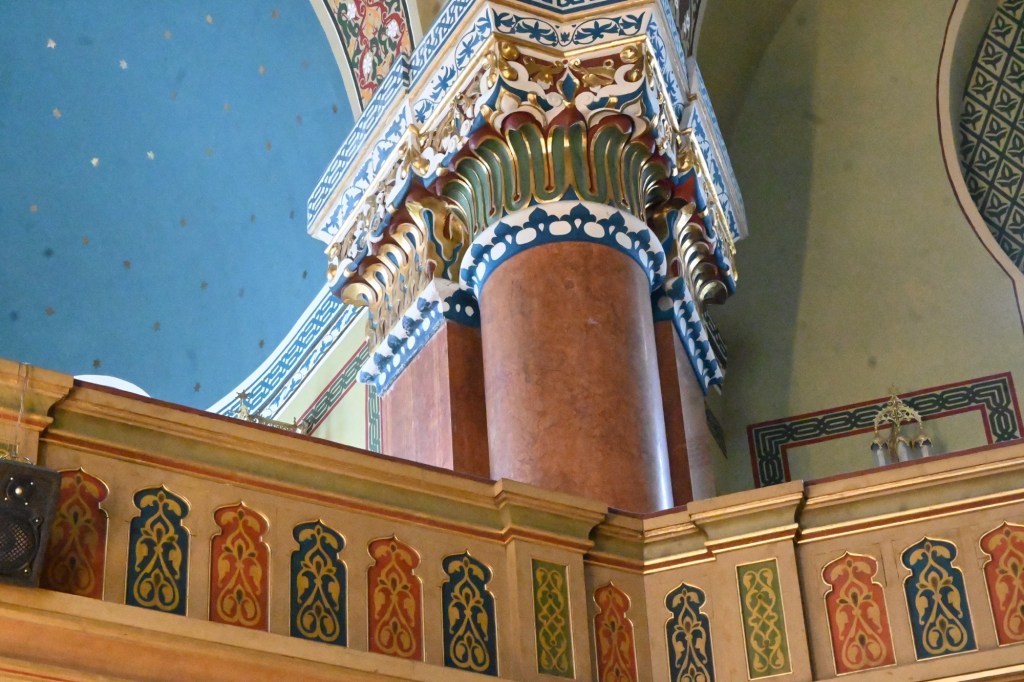
I love that the interiors of these temples are painted brilliantly, for it gives an exuberance that other materials might not. The details are lush: deep green Carrera marble columns, Venetial mosaic, carved Slavonian oak.
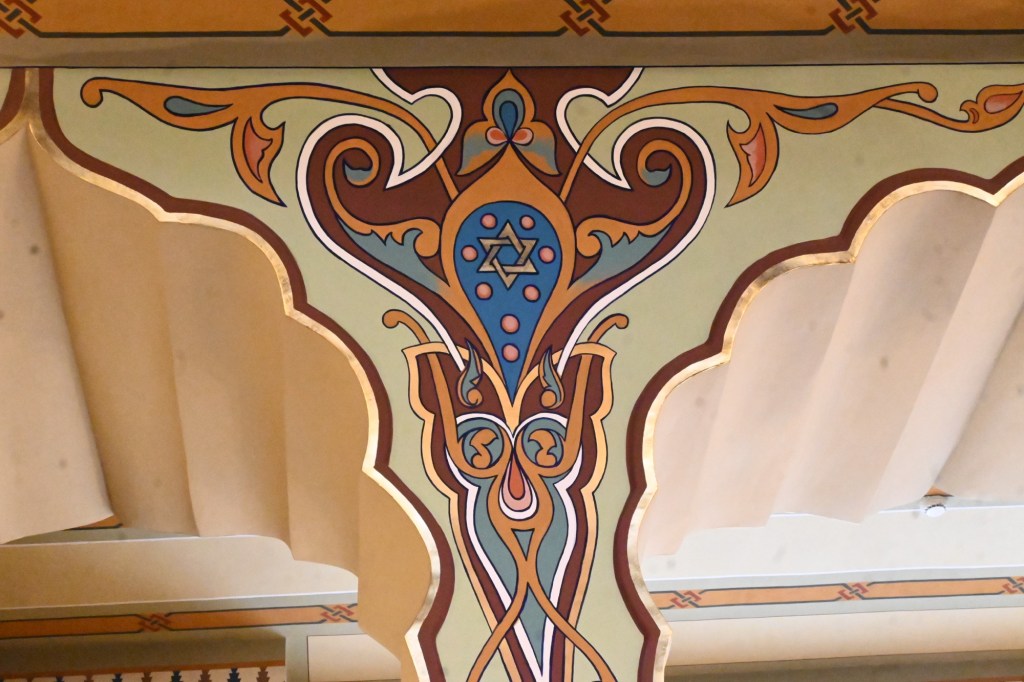
In this, it is a companion to the other sacred spaces of the Balkans: mosques and Orthodox churches. It is the third largest synagogue in Europe, after the ones in Amsterdam and Bucharest.
I sit in one of the wooden seats that has been burnished to a deep shiny chestnut. There are few visitors this Friday afternoon and I can steal a few moments of quiet contemplation. The sanctuary is awesome in the original sense of the word, as in intending to cultivate wonder. I close my eyes and imagine the joy of Sofian Jews when the synagogue opened in 1909-the congregants in their finery, the laughter, the chanting of prayers. According to the synagogue website, a historian Avraam Tadjer wrote that “with the opening of the Sofia Synagogue the respect for the Jewish community and the whole of the Bulgarian Jewry grew enormously.” I could not help to think that only 30 years later, the cultured lives of European Jewry would be over.
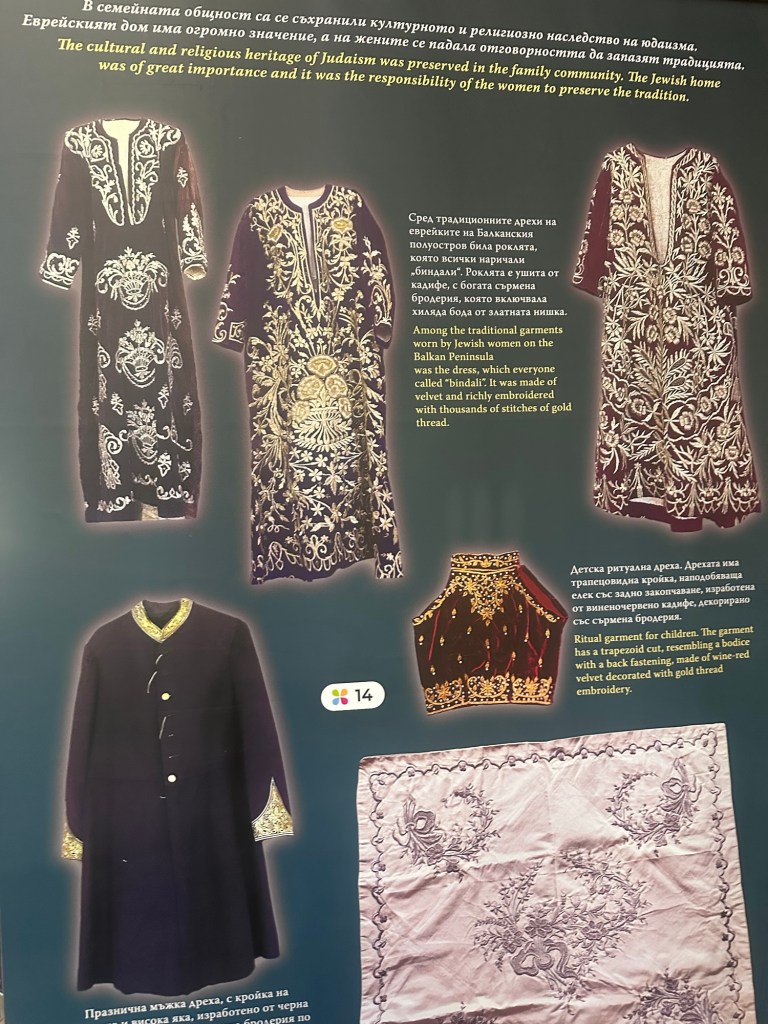
Later that evening, we returned to the Synagogue for Kabbalat Shabbat (Welcoming the Sabbath) services. A group of perhaps twenty people eventually gathered. We met not in the large sanctuary but in a chapel to the side, with its own seats and ark for the Torah. My sister and I were asked to sit with the women behind a white curtain, an Orthodox practice I had not experienced in many years. The woman prayed quietly while a man chanted the Hebrew prayers I knew. Although the style of chanting was different, the words were familiar.
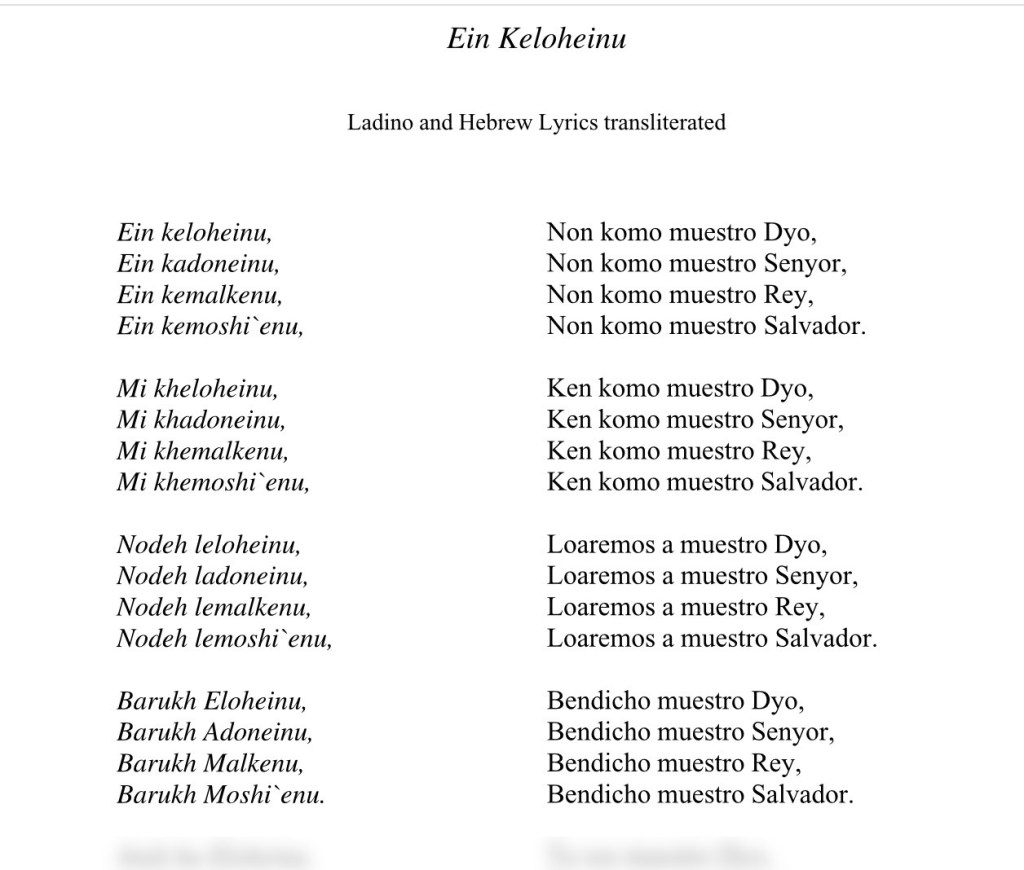
After the short service, a woman asked us how we came to services that night. “Joseph Benatov arranged it for us” we said. Hey eyes lit up and she smiled deeply. Joseph, a native of Sofia, is a professor at the University of Pennsylvania, but even more importantly, runs a travel company called Sephardic Balkans. “Ah Joseph! We all know Joseph. He grew up in this synagogue. He was very active as a young man here.” We were both pleased with the connection across oceans.
Another woman visitor was listening in to our conversation. She said she was visiting from Mexico City. “Oh,” I said, “I love your president”. Her face darkened. “I don’t like her, she does not say that she is Jewish. And she said “Free Palestine” so we don’t like her.” (See this Forward article for more on this particular topic). While I took a few seconds to decide whether to respond to this (I did not), the Bulgarian woman chimed in, “Ah, Claudia Sheinbaum’s grandparents were congregants here. Her grandmother was a scholar of Ladino. Her nephew is involved with the Synagogue”. Another unexpected connection across oceans.
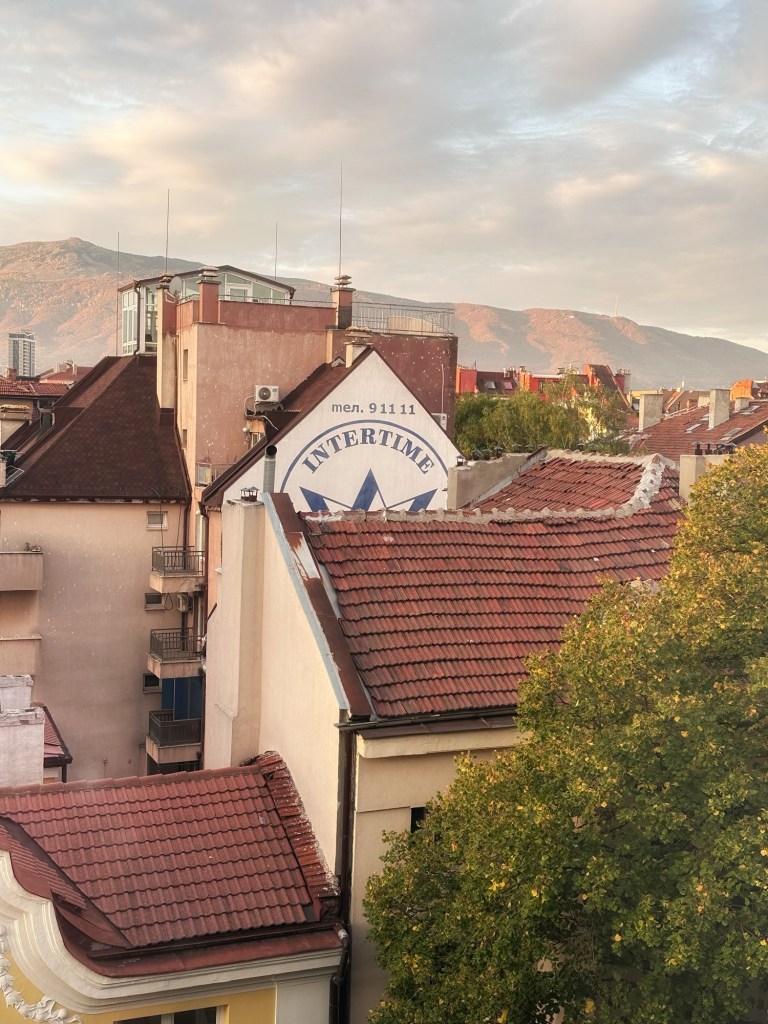
Apart from the Synagogue, we spent a day strolling the bustling center of Sofia. I had expected grim Soviet brutalistism, but the city is far more interesting than that.
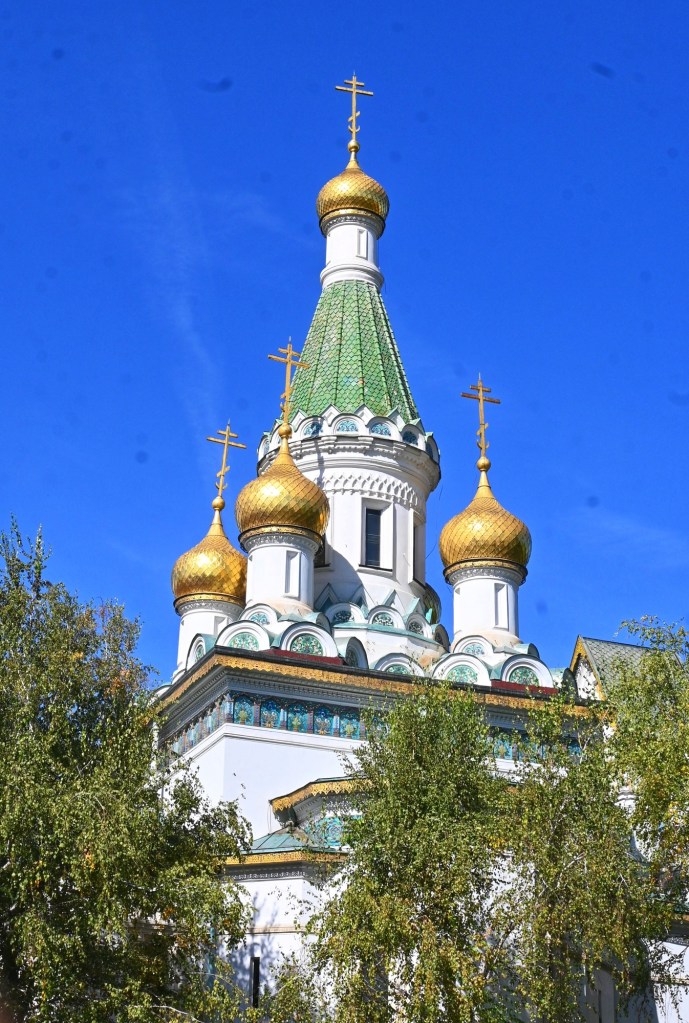
Fortunately, many elegant and grand buildings were constructed in prior eras and survived World War II bombardment.
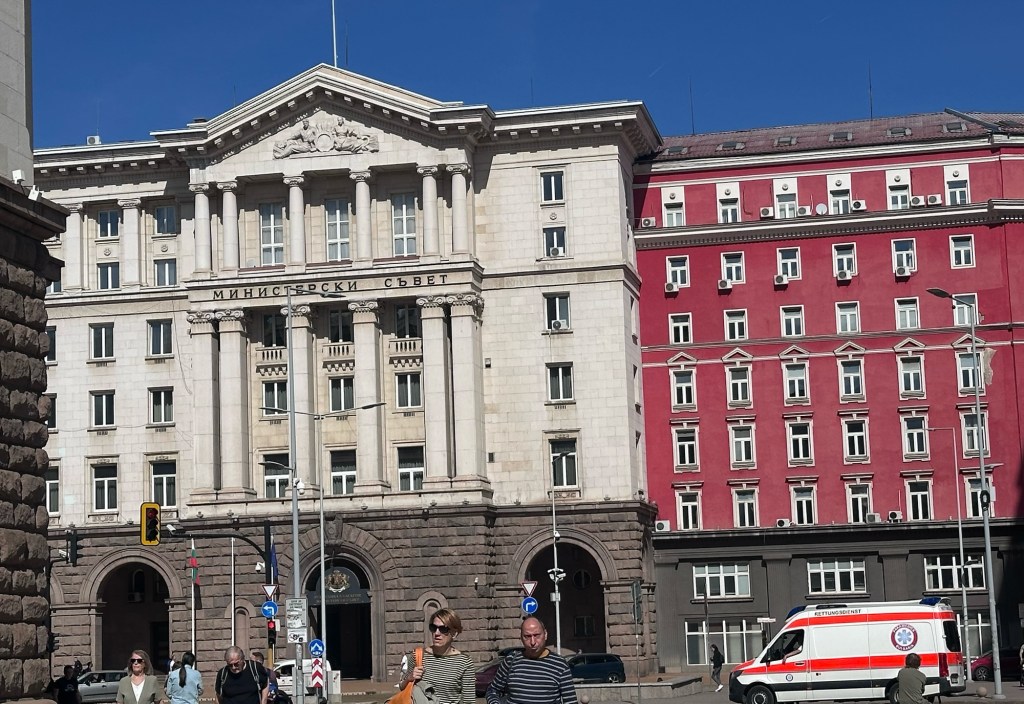
Orthodox and Byzantine structures remain. A long pedestrian avenue, lined with shops and restaurants and buzzing with passersbys reminded me how much I relish urban street life.
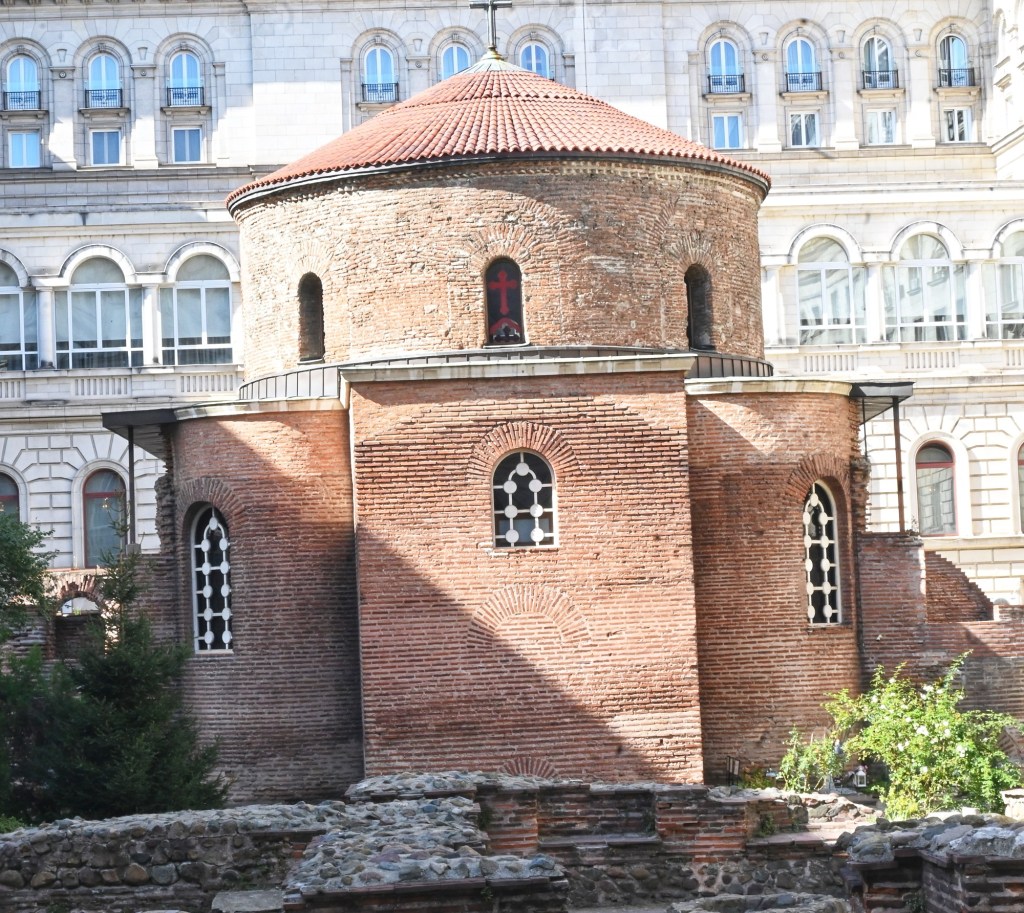
I left Bulgaria with an understanding of a place I had known practically nothing about. As we headed toward Thessaloniki, the last stop on our trip, I began to realize how in the Balkans there are no easy answers, memories are long and history is layered and complex. And although my own family history did not reach to the Balkans, I also realized part of being Jewish is calling all these places your own.

