I did not quite realize when I planned this trip, how fitting it would be to end in Thessaloniki. In few other places has the 2000-year in-gathering of the Jewish diaspora been so sustained, so diverse and rich, only to be destroyedin 1943. After World War II, a thousand or so Jews returned, the survivors of the 50,000 person community decimated by the Nazis, to rebuild a Jewish life in Thessaloniki. It is their story that came alive.
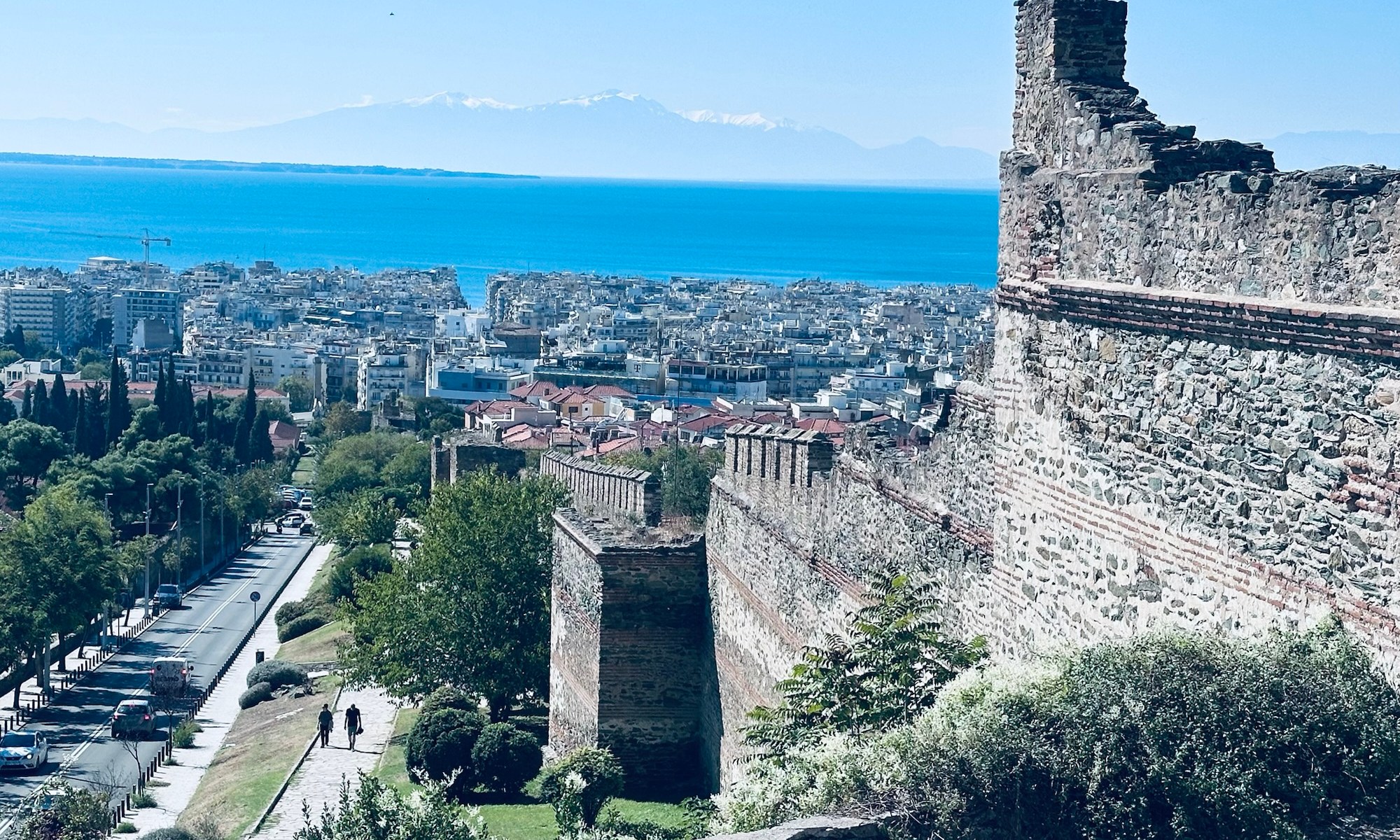
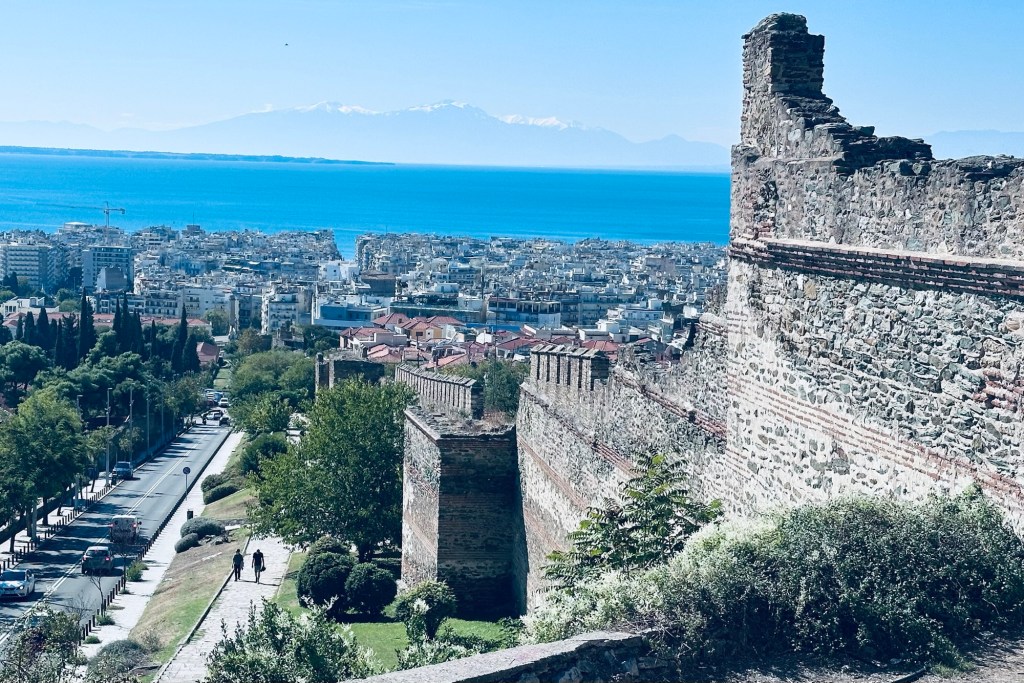
But first, an impression of Thessaloniki. Defined by the blue Aegean Sea, the city climbs from the water’s edge to the hill on which the Roman built the still-standing fortified wall. A promenade runs along the water, from the port to the White Tower, built in 1430.
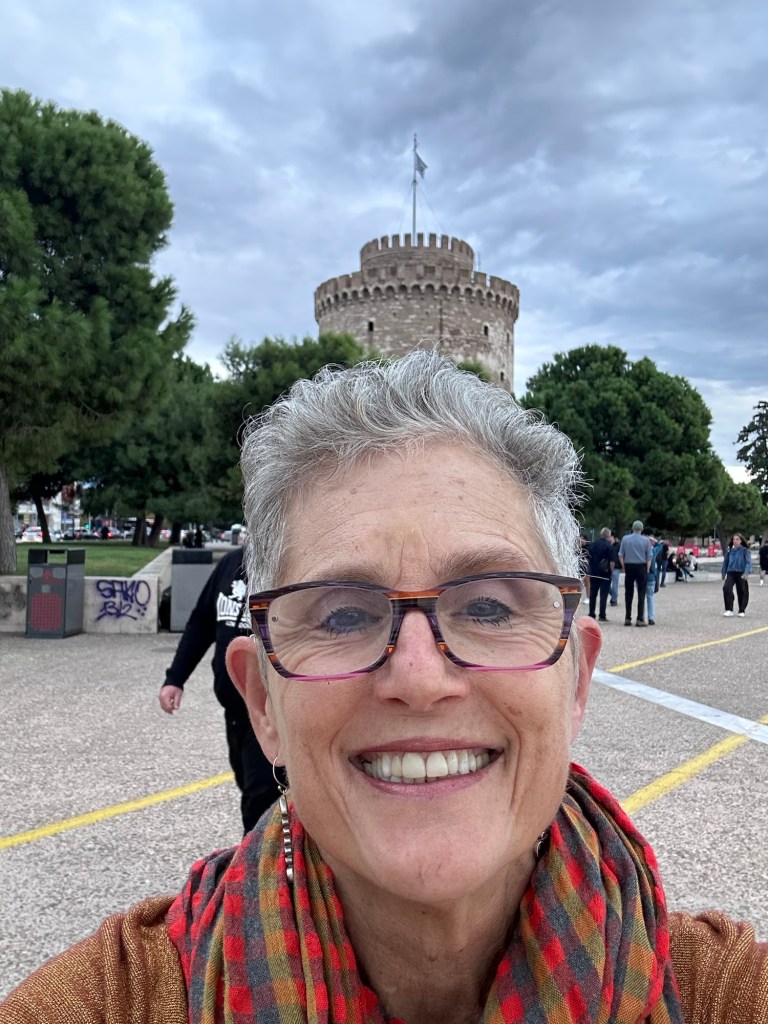
Physical reminders abound of the occupiers of this city, the Romans, Byzantine, Ottomans, Venetians.
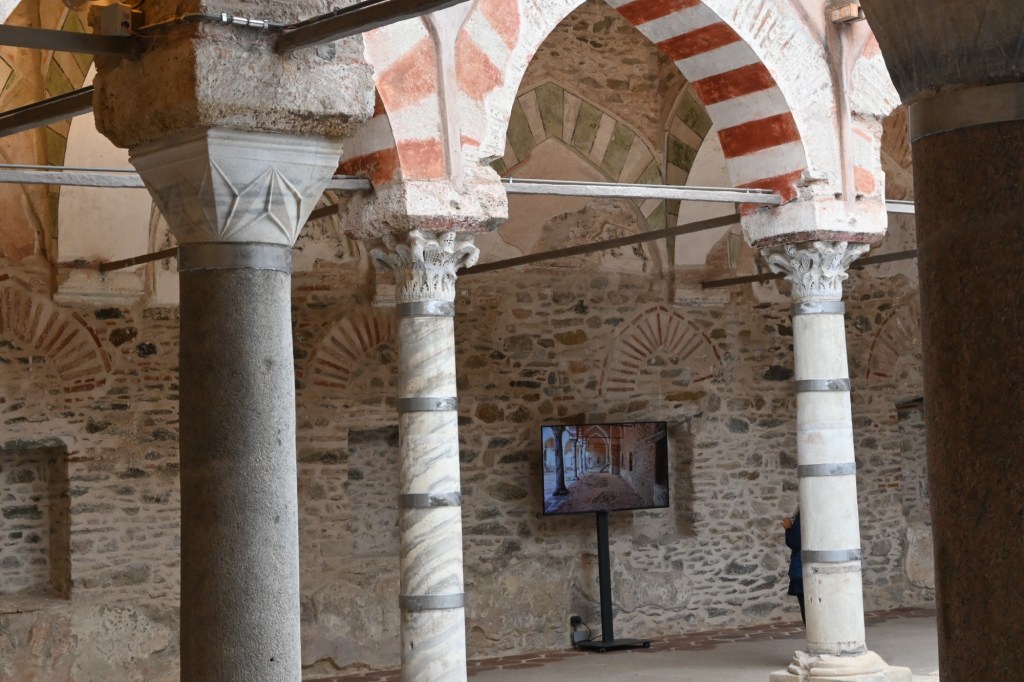
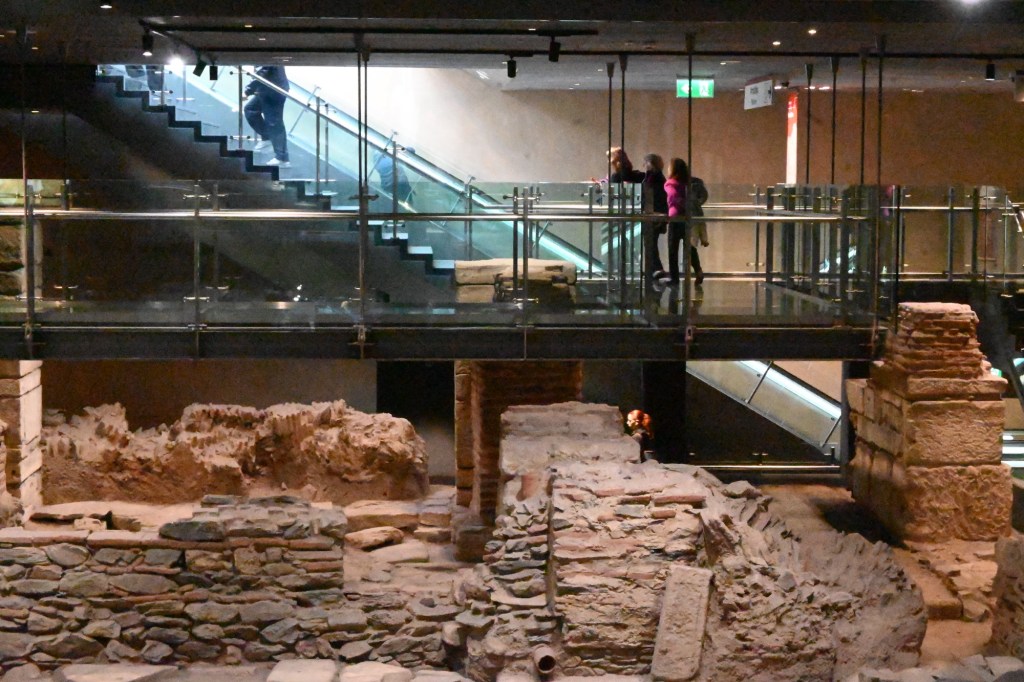
The relatively new subway system preserved an underground city uncovered during construction.
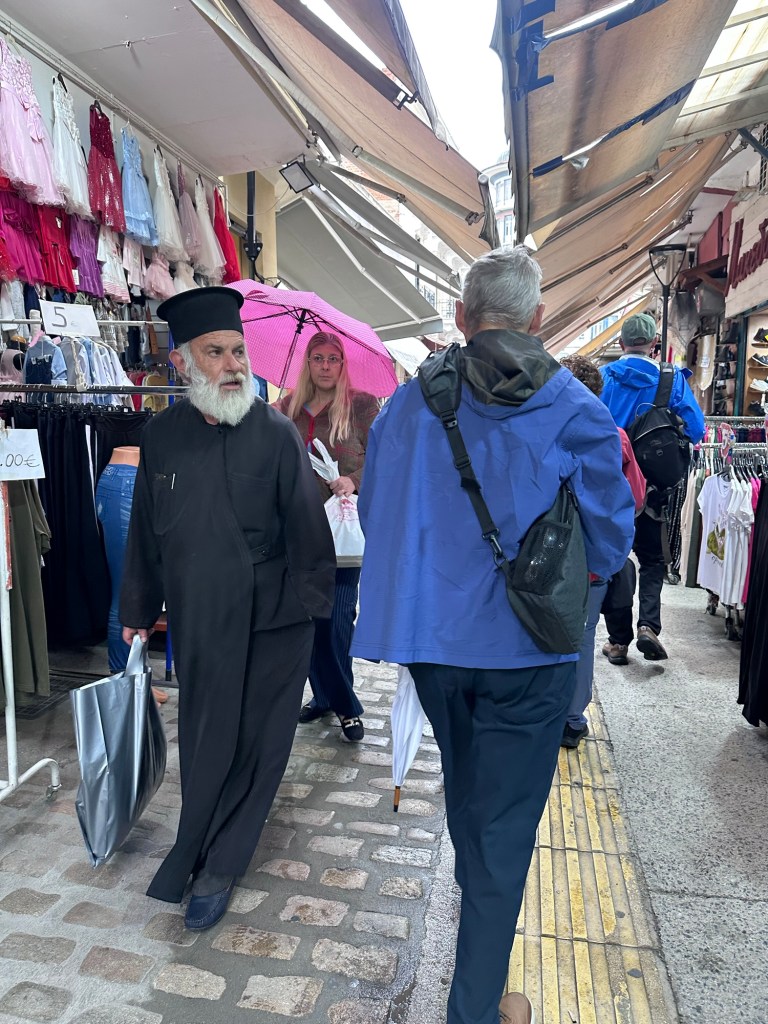
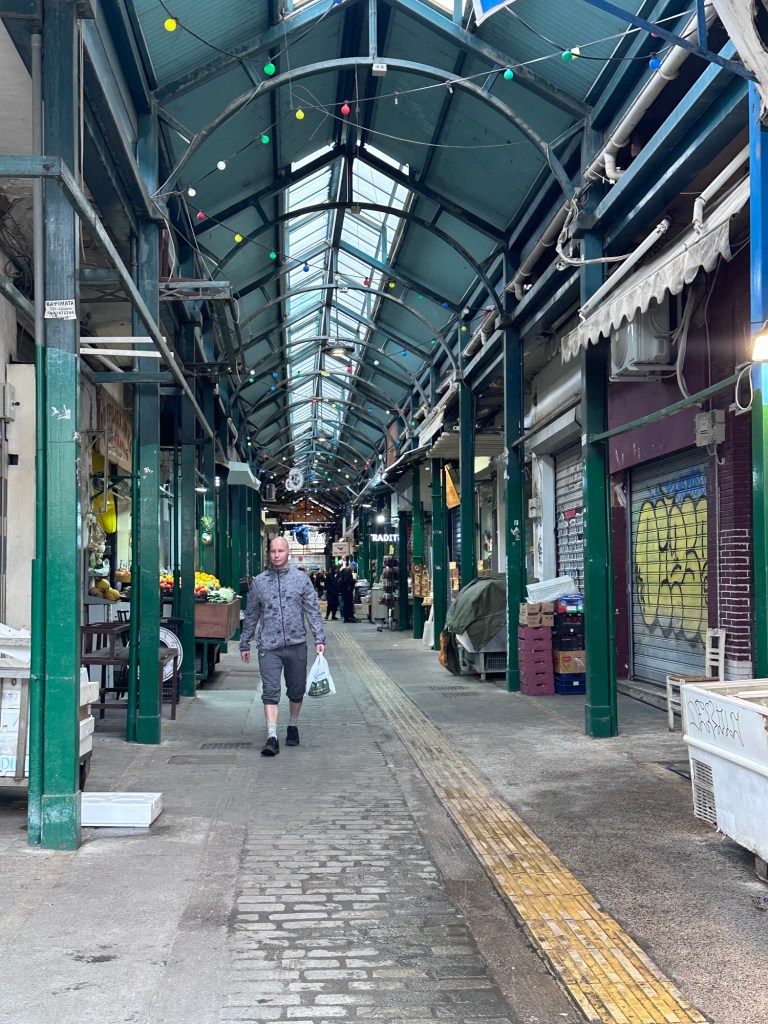
Today, the waterfront and nearby downtown teem with people, walking, eating, shopping, being seen. Covered markets from a disappearing way of life manage to survive next to modernity.
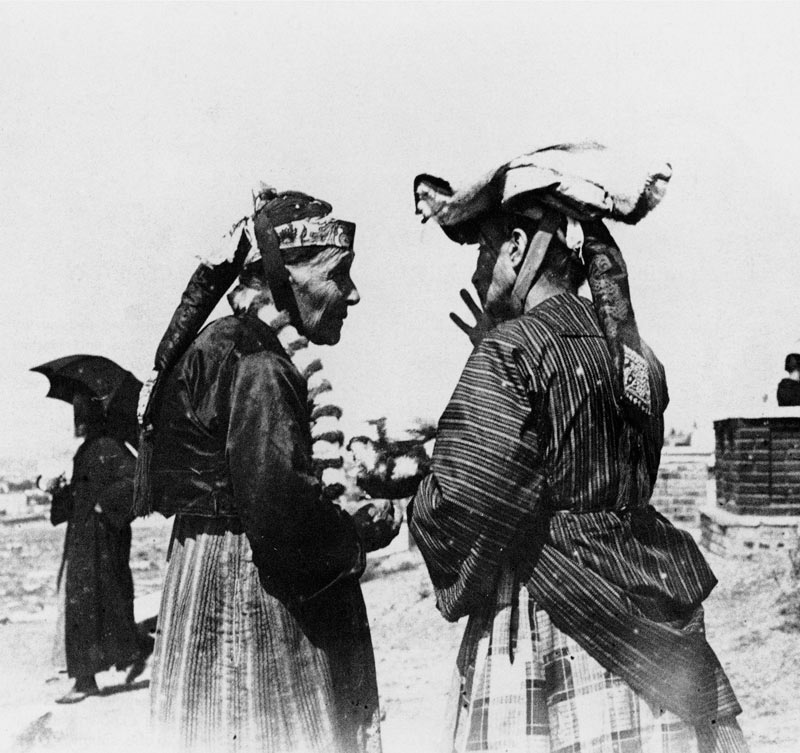
Our guide through Jewish Thessaloniki was Hella, a warm and mannered woman of 68 whose Sephardic roots go deep into the city’s past. She interspersed history with the personal stories of her family, some of almost unimaginable tragedy that she told with unfailing composure. She was calm when she showed us a picture in Thessaloniki’s Jewish Museum of her skeletal father, days away from death at 17, at Auschwitz the day it was liberated. She was calm when she showed us objects he later gathered from the ground there when he went back to visit in 1960, long before Auschwitz was a museum, including a bracelet with his number and his tin cup. Her calmness in the telling let the horror seep quietly into our own hearts and minds.
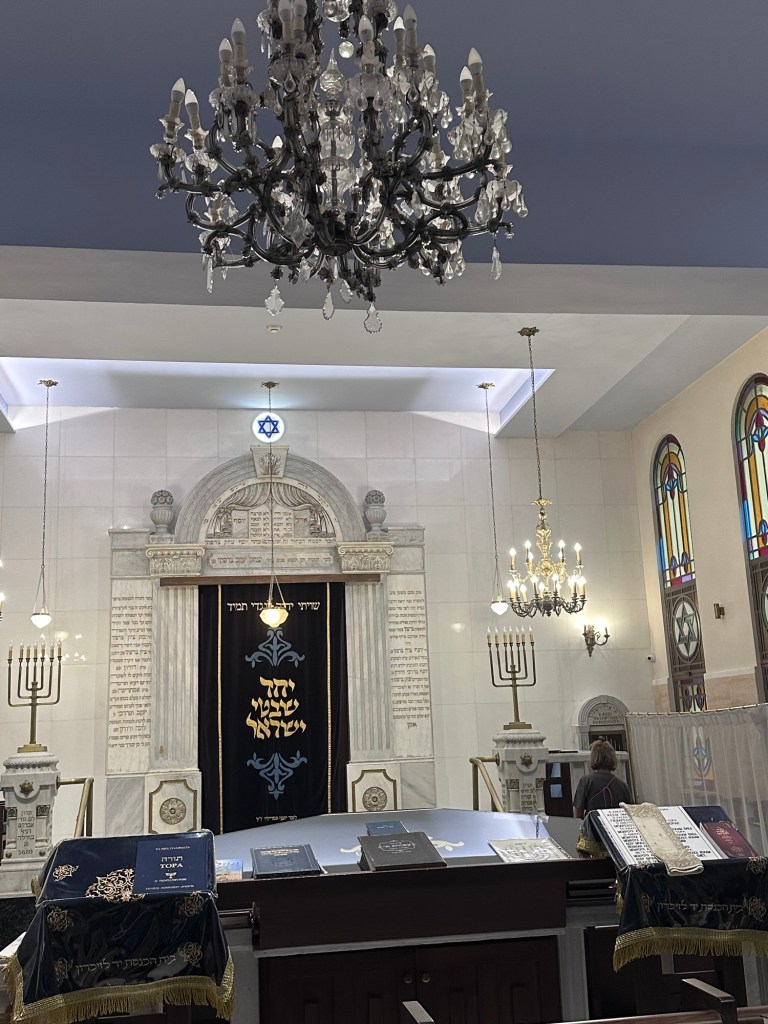
The tour began at Yad L’Zikaron Synagogue, built in 1984 after a 1978 earthquake damaged the then-home of the 14th century Ashkenazi congregation.
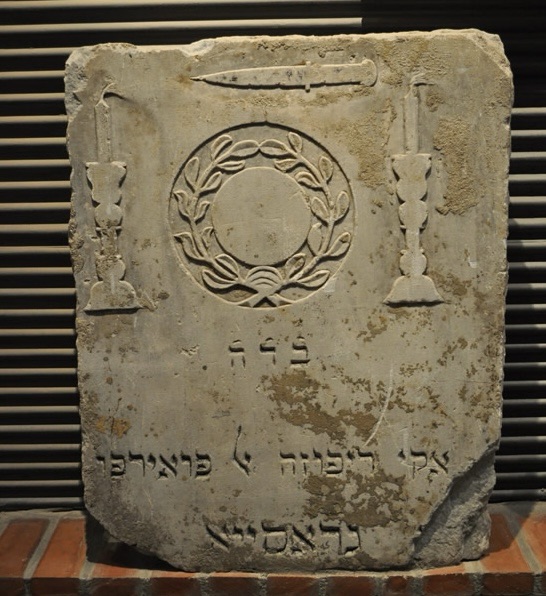
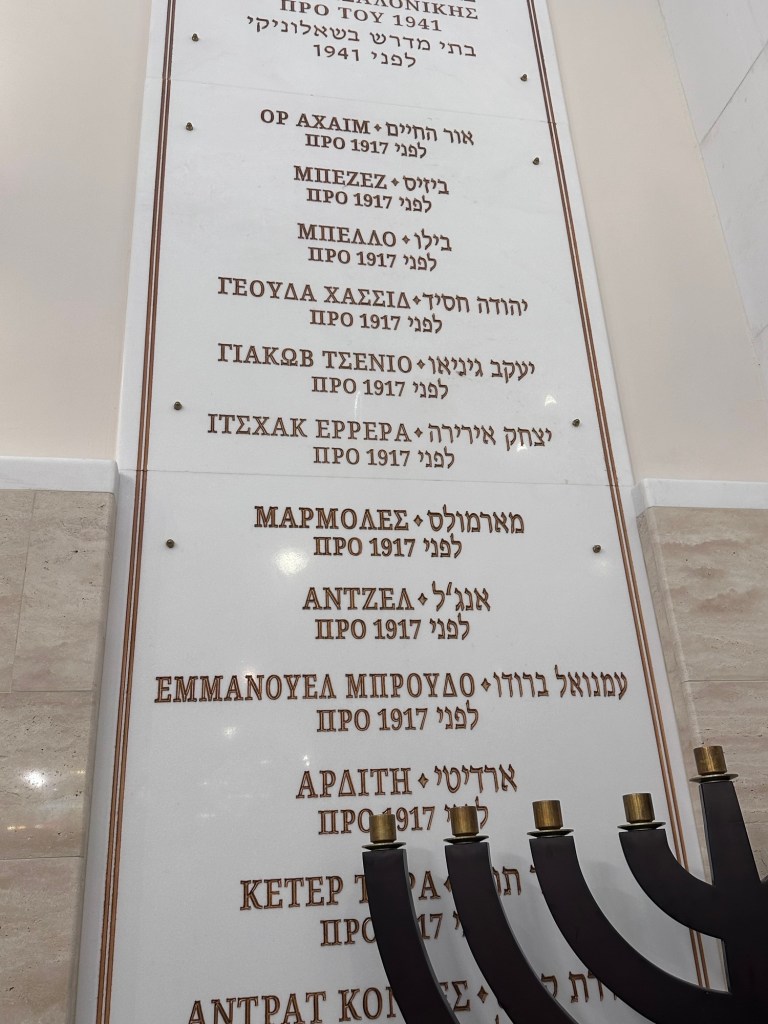
More than anything at Yad L’Zikaron, I was riveted by the series of marble plaques on one wall naming each of the seventy synagogues that had welcomed worshippers in Thessaloniki for 1900 years, together with the dates of their existence.Here on this wall of memory [Zikaron means memory in Hebrew] stood the story of Jewish migration and resilience—the names of the synagogues, especially in the earlier years, reflected the place the worshippers came from. Here was Ashkenaz (1376), Provence (1394), Old Italy (1423) and Etz Chayim (Tree of Life) from 100 BC when Jews followed in the footsteps of Alexander the Great.
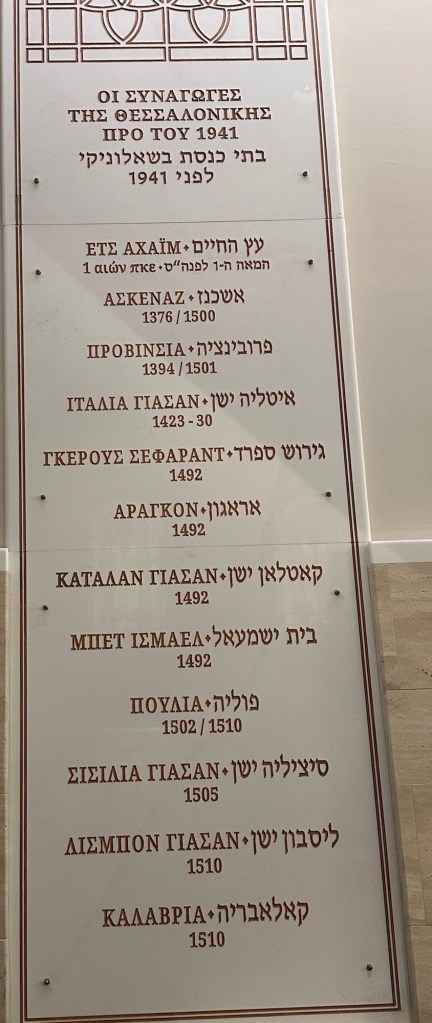
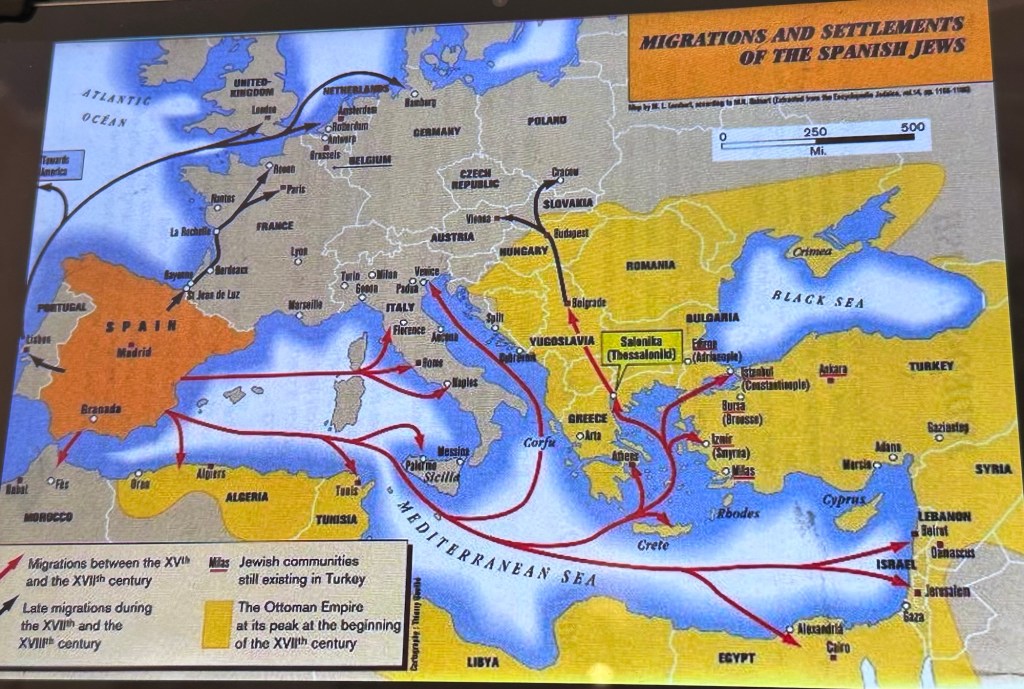
But it was the 15th century expulsion from the Spain and Portugal that turned the Thessaloniki Jewish community into a Ladino-speaking Sephardic one. Here was Spanish Expulsion (1492), Aragon (1492), Old Catalan (1492) Old Lisbon (1510). The Italian Jews, forced into ghettos if not outright expelled, were not far behind. There were synagogues from compatriots of Puglia, Sicily and Calabria.
There was something in the simple clarity of this list, the inscription of names that tell a story of migration and Diaspora that I found deeply moving. I had known that Thessaloniki had once been nearly one-half Jewish; I had not known that it had been such a place of refuge.
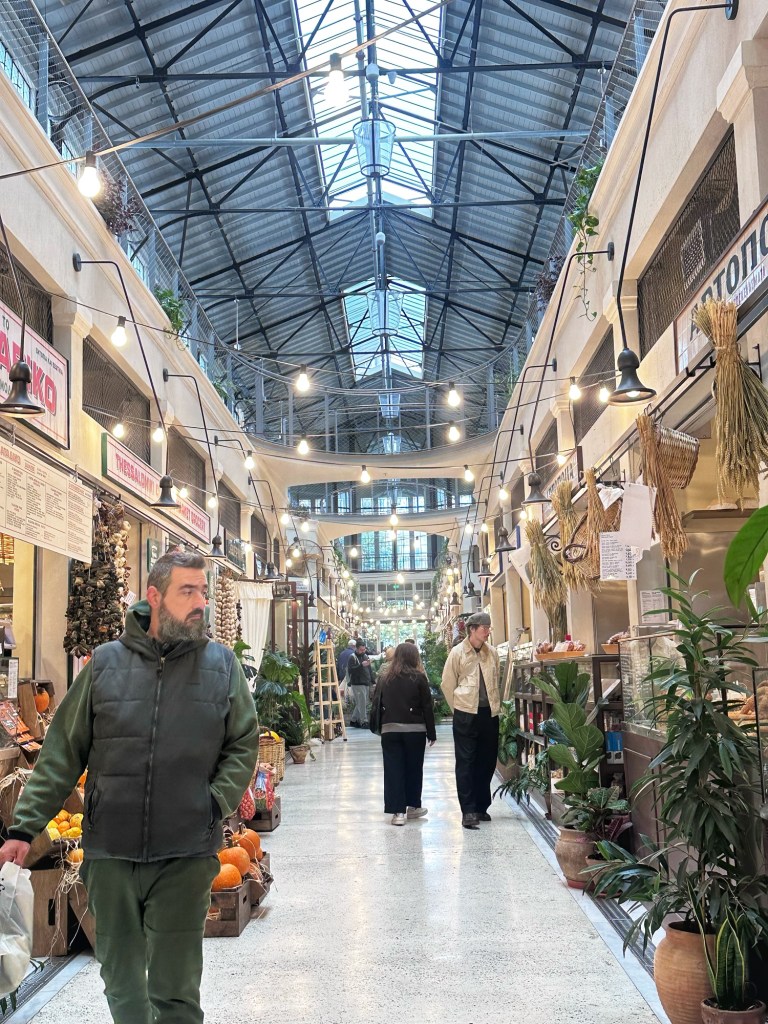
We walked through the Modiano Market, a fancy modern version of the old-world 15th century Kapani Market operating a few blocks away. The namesake Modianos were an Italian Jewish family and the market was the hub of Thessaloniki before falling into disrepair and then gorgeously restored in 2022.
A few more blocks brought us to the only synagogue that survived World War II and barely survived the earthquake of 1978: Monastir Synagogue, built in 1927 and funded by Jews from Monastir, Yugoslavia. Today it gleams in an Art Deco-Neo Classical fusion.
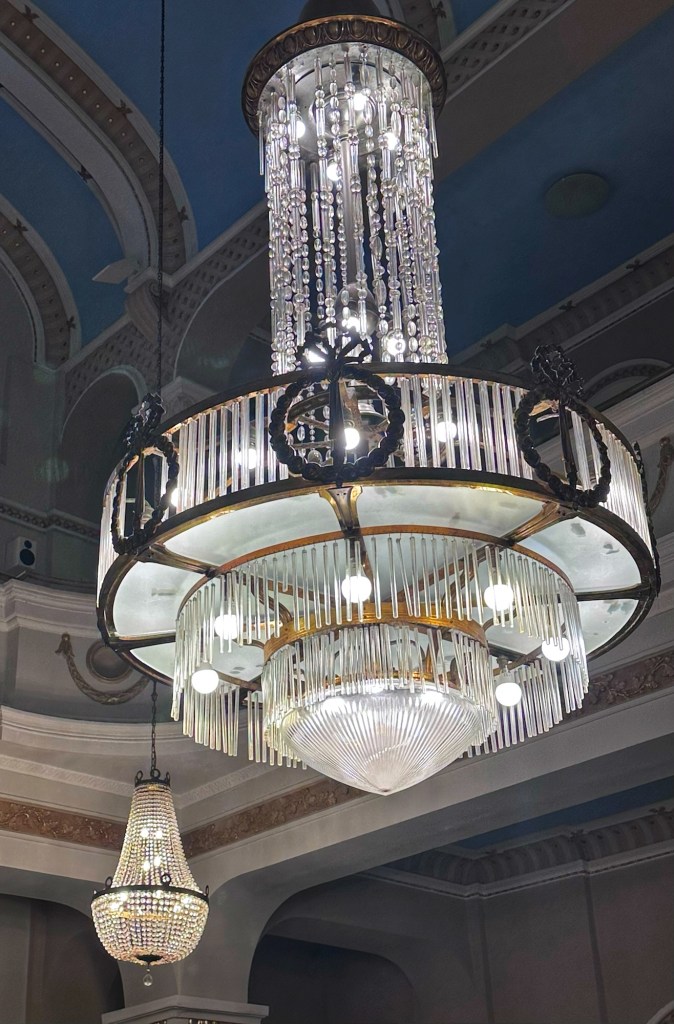
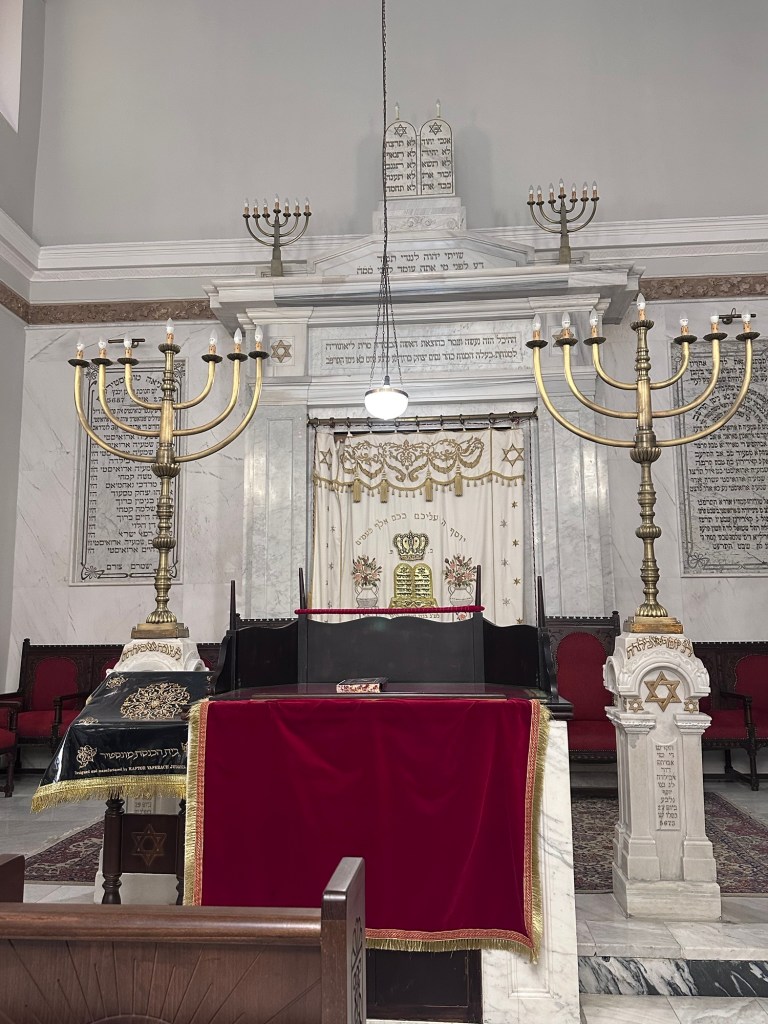
While daily and weekly prayers occur at Yad L’Zikaron, here is where festivals and life-events are celebrated. Hella pulled out her tablet to show us a photo of her parents on their wedding day, standing on this bimah. “This is the heart of our community” she said, “this is where our memories live.”
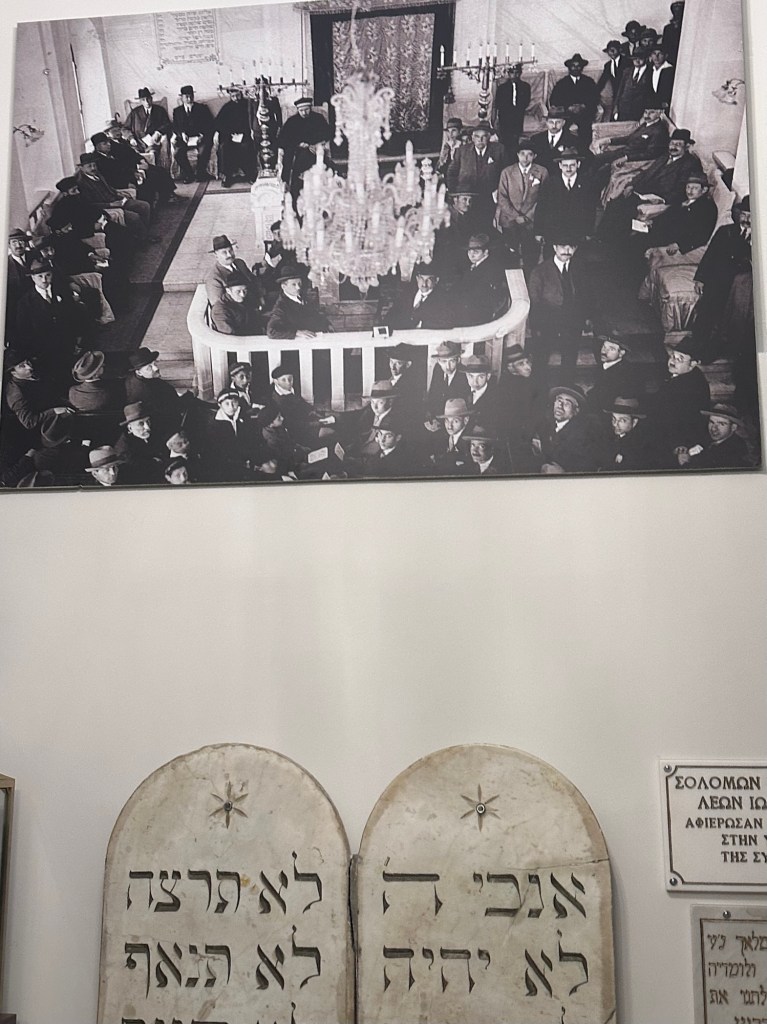
In an anteroom of the Synagogue, Hella points to a picture of her grandfather. He had a camera shop in Thessaloniki before the war. When the Nazis made it clear that they would round up the Jewish community in a matter of months, her grandfather entrusted all of his wares to a friend, who promised to safeguard them until he returned. Her grandfather and grandmother escaped with her young mother in tow to Athens. There they hid with false papers and managed to survive. When they returned to Thessaloniki, the camera equipment was intact, saved by the Greek friend who dreamed of their return
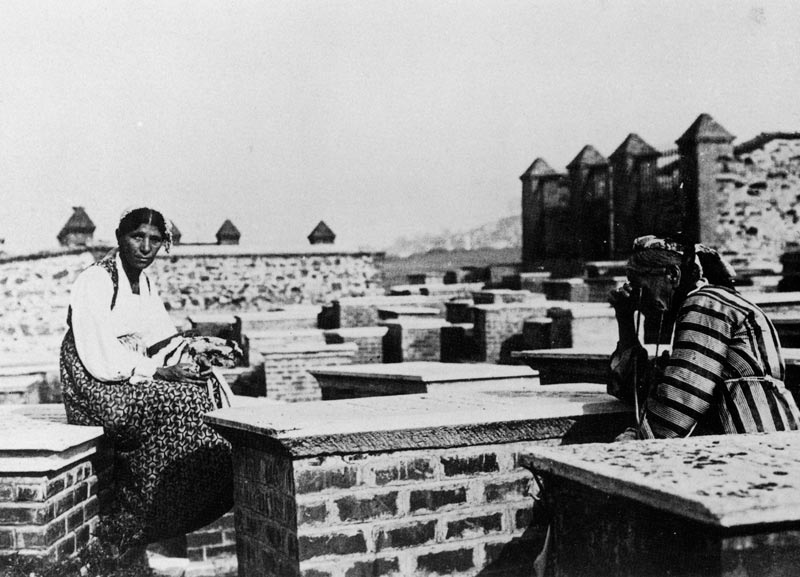
We ended our day with Hella at the Jewish Museum. Here, the history of this once thriving community is powerfully documented. She leaves us in a room inscribed with the names of 36,000 of the 50,000 Jews who were killed, gold letters on black marble. When her father returned from Auschwitz in 1960, he dedicated himself to finding every name of a person who had died.
She showed us a photograph from March 1943. Jews are being marched down Egnatia Street, the main thoroughfare, to the railroad station, where they will be taken to Poland. Some imagined that they would find a new home there. Some knew the truth. In the photo, people are going about their daily lives. A woman faces out on the scene from a balcony. Hella turned to us, “when you see this photo, you must ask yourself, what would you have done?”
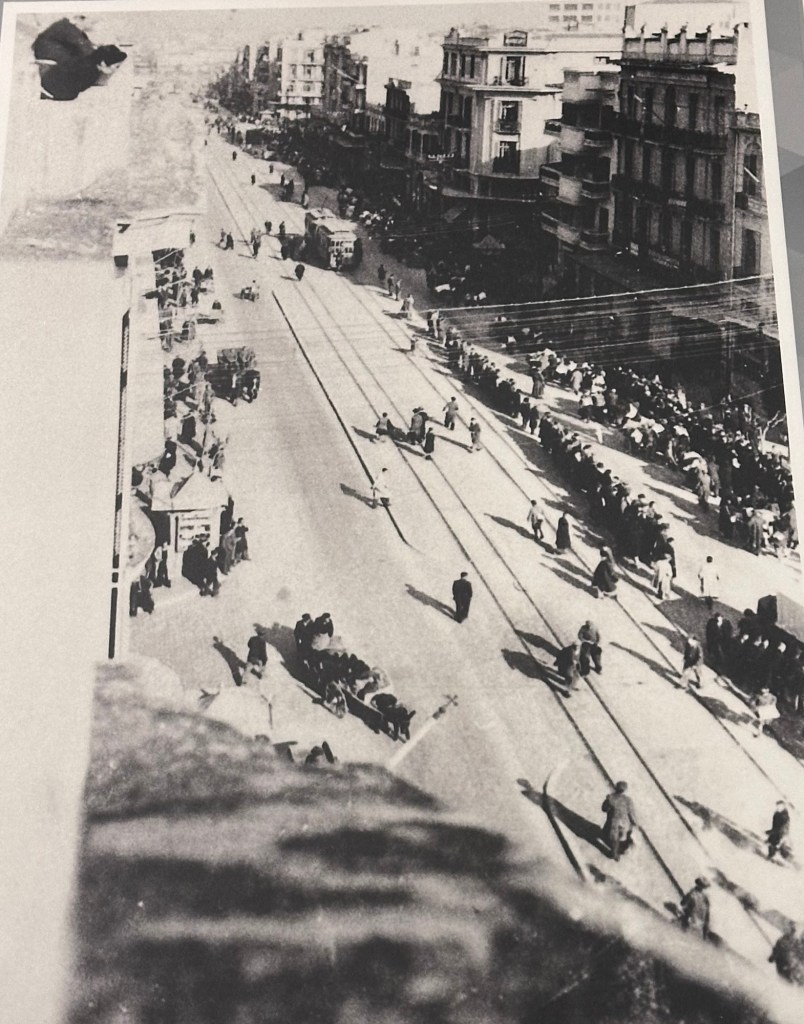
I ask myself that often, living in a time now in my own country where immigrants are kidnapped and sent to prisons solely for not having been born here. It is not a huge leap from that to Thessaloniki, 1943. I texted my son to describe the experience of this day. His immediate reponse: wow if it can happen there, it can happen anywhere.
We asked Hella what made the 1000 surviving Jews return to Thessaloniki. “We lived here in peace with our neighbors for 2000 years” she said. I thought about the man who kept the cameras for her grandfather. The community will never be what it was, but I was grateful for Hella and those like her who came back, who stayed and decided not only to rebuild, but to tell the stories of their ancestors.